
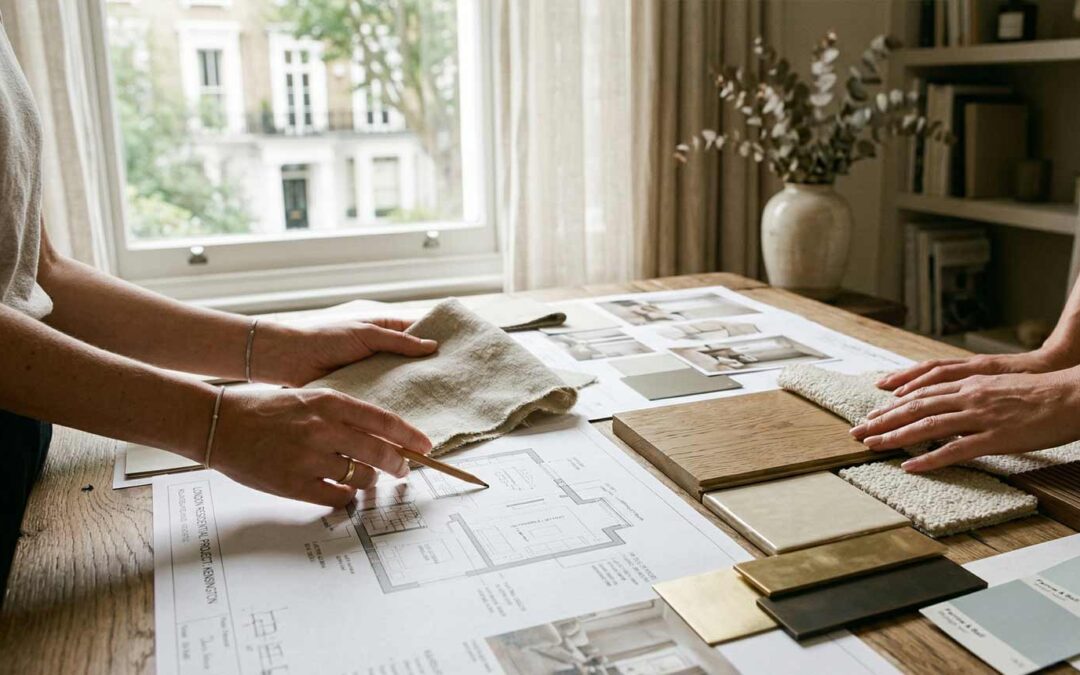
Knowing when to hire an interior designer is one of the most important decisions in any home project. Whether you are renovating, extending, or moving into a new property, bringing in professional support at the right stage can make a significant difference to both the process and the final result.
While many homeowners consider hiring a designer later in the project, involving one earlier often leads to a more cohesive, well-planned outcome and helps avoid costly mistakes along the way.
If your project also involves building work or structural changes, timing becomes even more important.
You may find it helpful to read our guide When Is the Best Time to Start a Home Renovation in London? which explores how seasons, contractor availability, and project scope can influence your timeline.
Why Timing Matters When Hiring an Interior Designer
The stage at which you bring in an interior designer can shape the entire direction of your project. Early involvement allows for a more considered approach to layout, materials, and overall design, ensuring everything works together from the outset.
When a designer is brought in too late, key decisions may already have been made, limiting what can be changed and often leading to compromises. Thoughtful planning at the beginning creates a smoother process and a more refined end result.
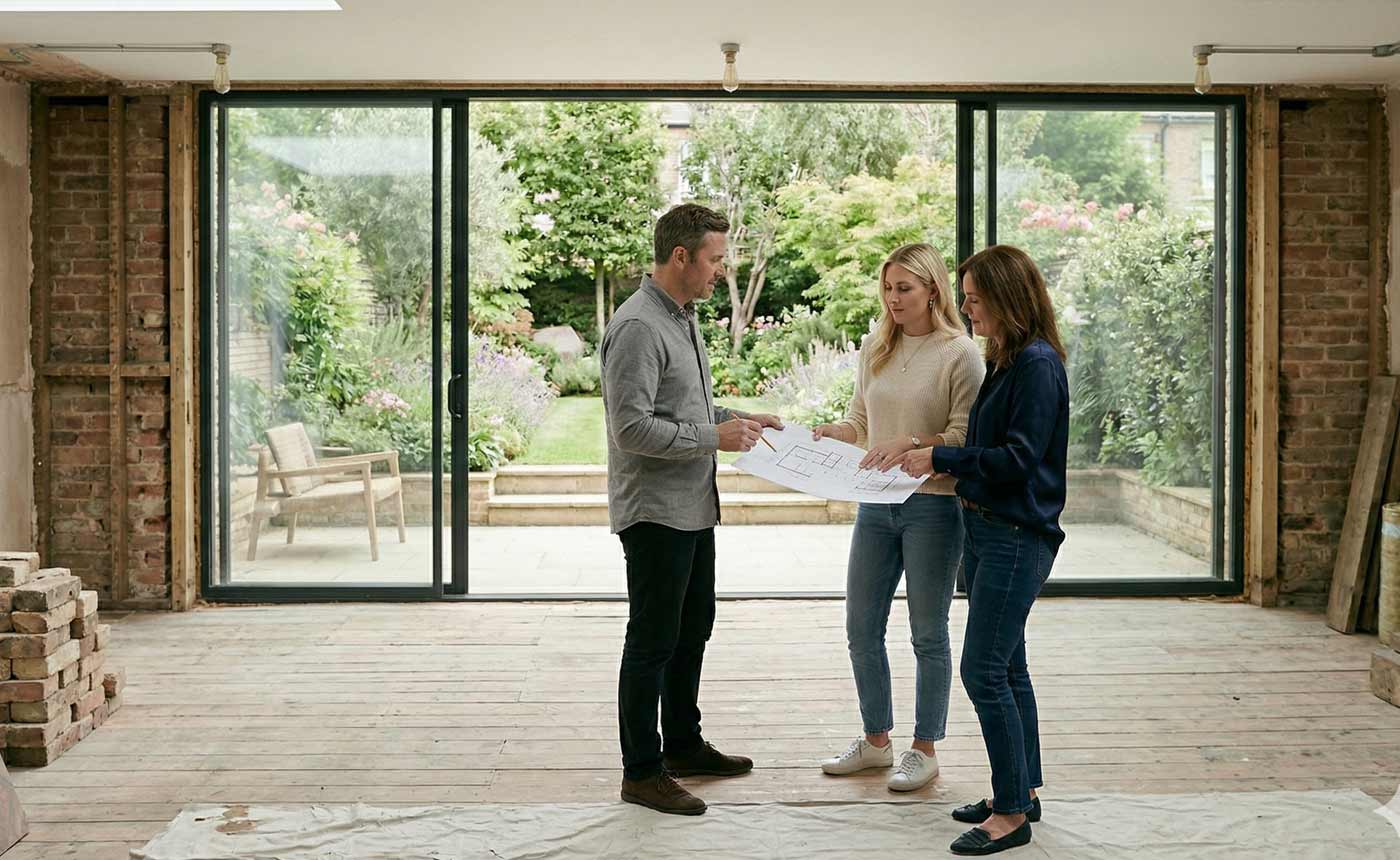
When Do Most People Hire an Interior Designer?
In reality, many homeowners only consider hiring an interior designer once building work has already started or when they begin to feel overwhelmed by decisions.
This often happens when:
- layouts have already been finalised
- construction is underway
- multiple decisions about finishes and furniture need to be made quickly
While designers can still add value at this stage, it is not always ideal. Earlier involvement allows for a more cohesive and efficient process.
The Best Time to Hire an Interior Designer
The ideal time to hire an interior designer is as early as possible, ideally before any building work begins. However, different stages of a project still offer opportunities to benefit from professional support.
Before You Start Any Building Work
This is the most effective stage to bring in an interior designer. At this point, key decisions around layout, flow, and functionality can be explored in detail.
A designer can help you optimise space planning, develop a clear design concept, align the layout with how you live, and avoid structural decisions that may not work long term. Starting early ensures that the project is built on a strong foundation.
At the Start of a Renovation Project
If your project is just beginning, there is still a valuable opportunity to involve a designer. At this stage, they can help refine the vision, coordinate with contractors, and ensure that design decisions are aligned before too much progress has been made.
This helps prevent inconsistencies and ensures the project moves forward with clarity.
During a Project (Is It Too Late?)
It is never truly too late to work with an interior designer, but the scope of what can be achieved may be more limited.
At this stage, a designer can still assist with selecting finishes and materials, furniture and lighting choices, and styling and final details. However, opportunities to influence layout and structural elements may already be restricted, which is why earlier involvement is always preferable.
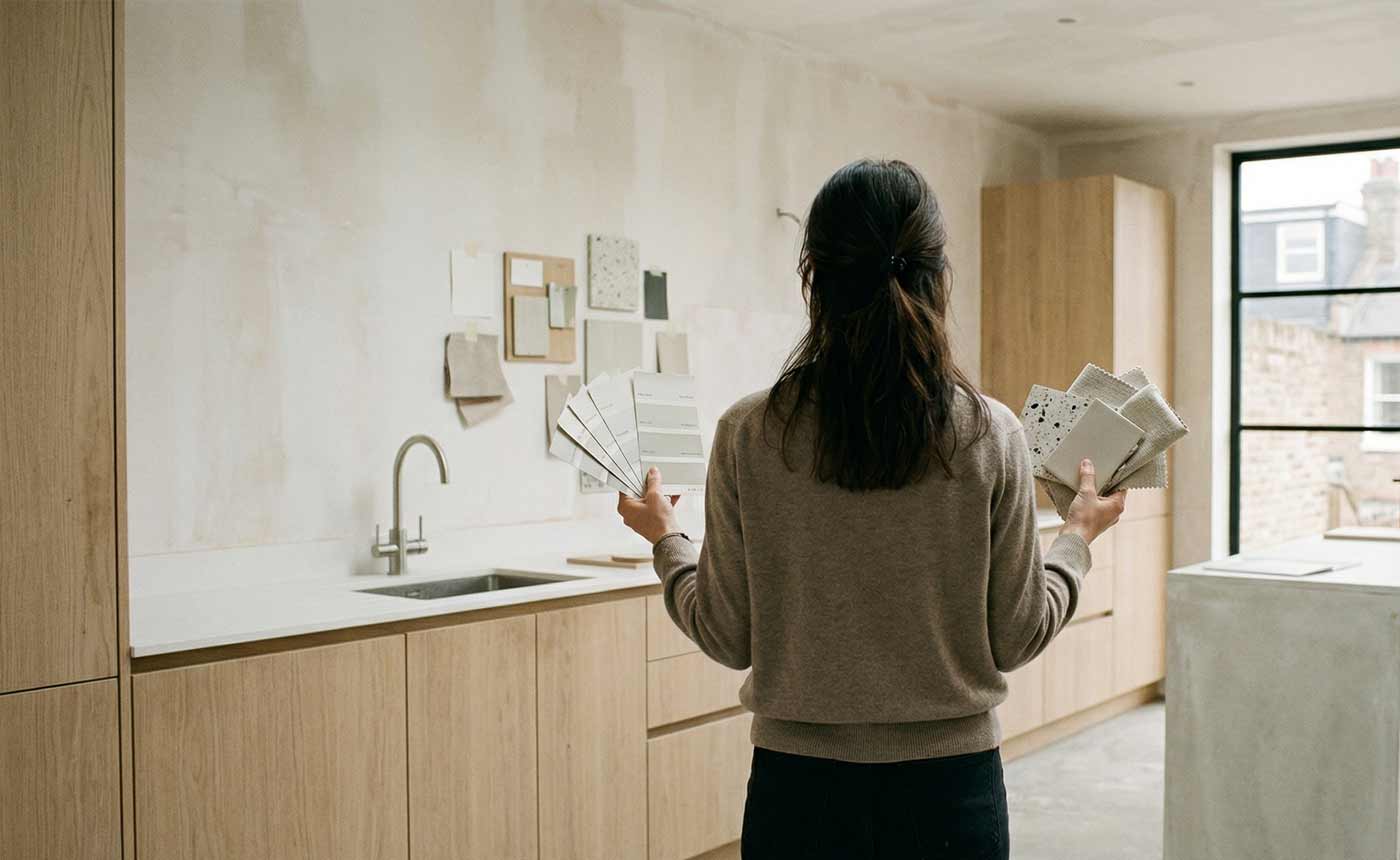
Real-Life Scenarios: When You Might Need a Designer
There are several common situations where hiring an interior designer can make a meaningful difference.
Moving Into a New Home
A new home offers a blank canvas, making it an ideal time to plan your space properly from the beginning. Rather than making decisions room by room, a designer can help create a cohesive scheme across the entire property.
Planning a Renovation or Extension
When undertaking a renovation or extension, layout decisions are critical. An interior designer can help ensure that the space flows well, functions effectively, and reflects how you want to live.
Updating a Single Room
Even smaller projects, such as a kitchen, bathroom, or living room update, can benefit from professional input. A designer can help you make confident decisions and bring a more refined finish to the space.
Feeling Overwhelmed with Decisions
Many homeowners reach a point where there are simply too many choices to make. From materials and colours to furniture and lighting, the process can quickly become overwhelming. Working with a designer provides clarity, direction, and a structured approach.
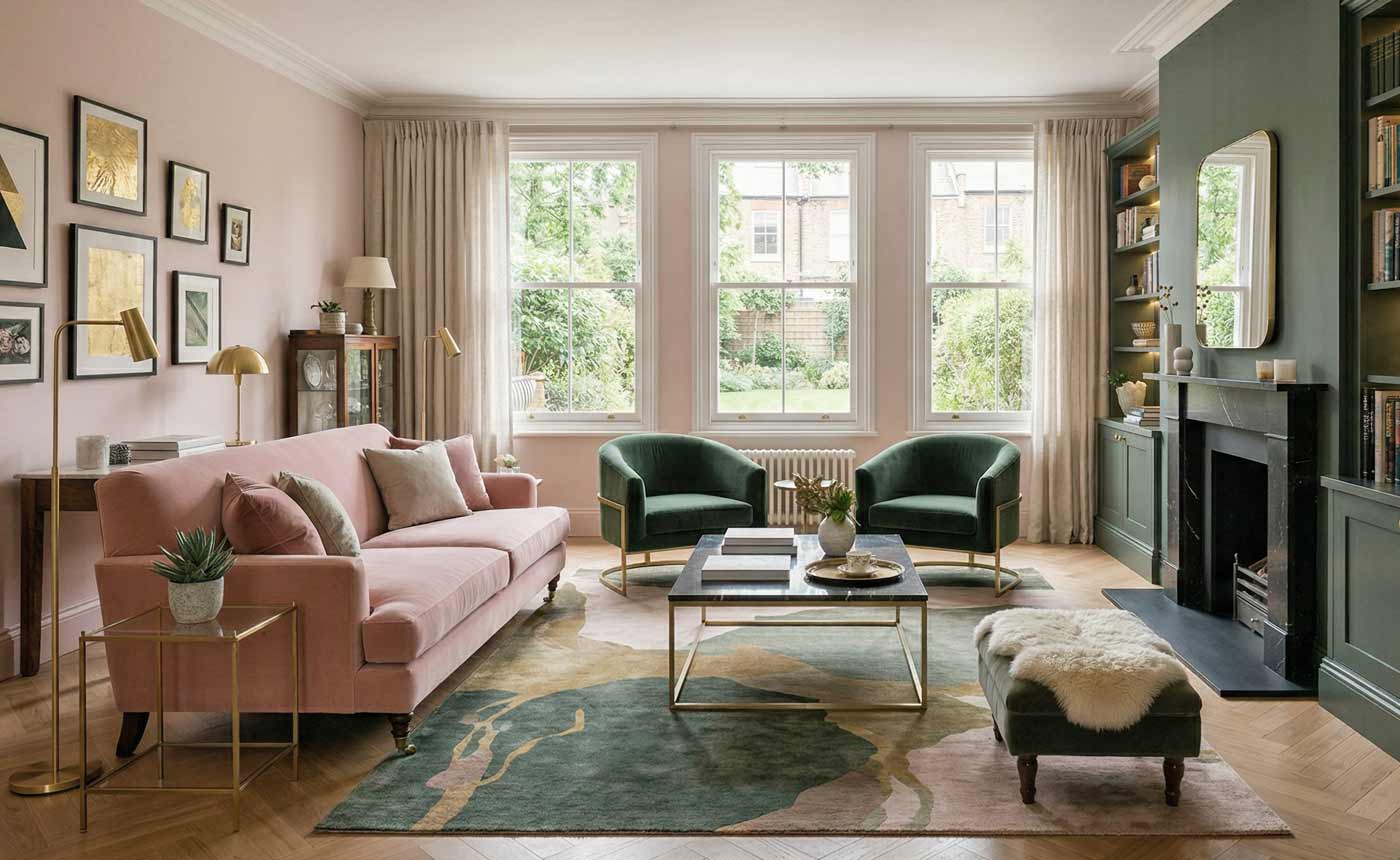
What an Interior Designer Can Help With
An interior designer does far more than select colours or furniture. They bring a combination of creative and practical expertise to the project.
Residential interior design typically includes space planning and layout design, material and finish selection, lighting design, furniture sourcing and specification, and coordinating with contractors and suppliers. The result is a home that feels cohesive, functional, and thoughtfully designed.
Why Hiring Early Saves Time and Money
While it may seem like an additional investment, hiring an interior designer early can actually save both time and money.
Early planning helps to avoid costly mistakes and changes during construction, ensure materials are selected in advance, streamline decision-making, and reduce delays caused by last-minute choices. A well-structured process is always more efficient and leads to a better overall outcome.
Find out more in our article: How Interior Design Services Save You Money
.
How Far in Advance Should You Contact a Designer?
Most interior designers are booked in advance, particularly during busy periods. It is generally advisable to reach out at least one to three months before you would like your project to begin.
This allows time for an initial consultation, design development, and proper planning before any building work starts. Leaving it too late may mean limited availability or rushed timelines.
Working with an Interior Designer: What to Expect
For many homeowners, the process of working with a designer may feel unfamiliar. Typically, it begins with an initial consultation to understand your needs, preferences, and the scope of the project.
This is followed by concept development, where ideas are translated into a clear design direction. From there, the design is developed in more detail, including materials, finishes, and layouts, before moving into implementation and installation.
Throughout the process, the designer helps coordinate decisions and ensure everything comes together seamlessly.
Find out more in our article Working with an Interior Designer in London: What to Expect.
So, When Should You Hire an Interior Designer?
In simple terms, the best time to hire an interior designer is as early as possible in your project.
Involving a designer from the beginning allows for better planning, more cohesive design, and a smoother overall experience. While it is still possible to bring a designer in later, earlier involvement will always provide the greatest benefit.
Hiring an interior designer is not just about improving how your home looks, but also how it functions and how the entire process feels.
By bringing in professional support at the right stage, you can approach your project with confidence, avoid unnecessary stress, and create a home that truly reflects your lifestyle.
Thinking About Your Next Project?
If you are planning a renovation, moving into a new home, or considering an extension, working with an interior designer can help you navigate the process with clarity and confidence.
At Speaking of Interiors, we support clients from the early planning stages through to completion, including space planning, material selection, and furniture sourcing.
Book a free consultation call to discuss your project and explore how we can support you.