
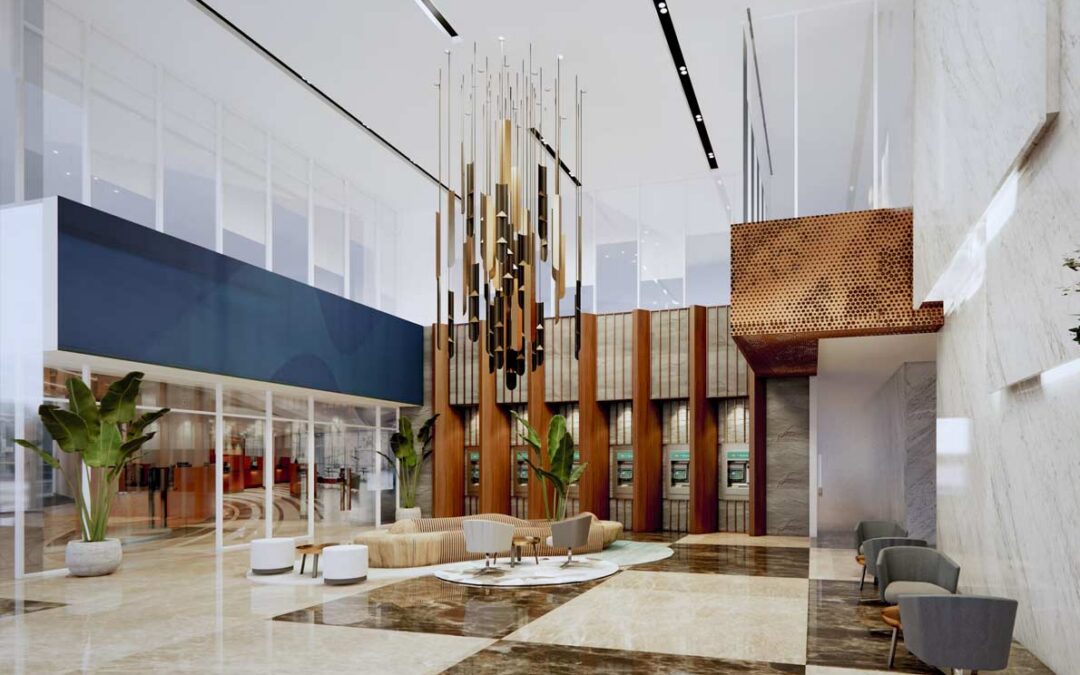
A successful commercial interior should tell your story before a member of staff says a word. Whether someone walks into a boutique hotel, a restaurant, a retail shop or an office reception, the space immediately communicates what your business stands for. This is why brand identity interior design has become an essential part of commercial design rather than simply an aesthetic consideration.
Every design decision contributes to that first impression. Materials, lighting, colour, furniture, layout and even acoustics influence how customers perceive a business. When these elements work together, they reinforce your values, build trust and create memorable experiences that encourage customers to return.
At Speaking of Interiors, our commercial interior design services focus on creating spaces that balance aesthetics, functionality and commercial objectives. Rather than applying branding as decoration, we integrate it into every aspect of the interior so the environment feels authentic and purposeful.
Why Brand Identity Matters in Commercial Interior Design
Your brand is far more than a logo or colour palette. It represents your company’s personality, values and the experience you promise customers.
An effective commercial interior should answer questions such as:
- What does this business stand for?
- Who is it designed for?
- How should customers feel when they enter?
- What makes this business different?
The strongest commercial interiors communicate these answers without relying on signage or marketing materials.
For example:
- A luxury law firm may use natural stone, rich timber, muted colours and carefully considered lighting to create confidence and professionalism.
- A creative agency might introduce flexible workspaces, bold artwork and vibrant collaborative areas that reflect innovation.
- A wellness clinic often benefits from soft lighting, natural materials and calming textures that immediately reduce stress.
The design becomes an extension of the business itself.
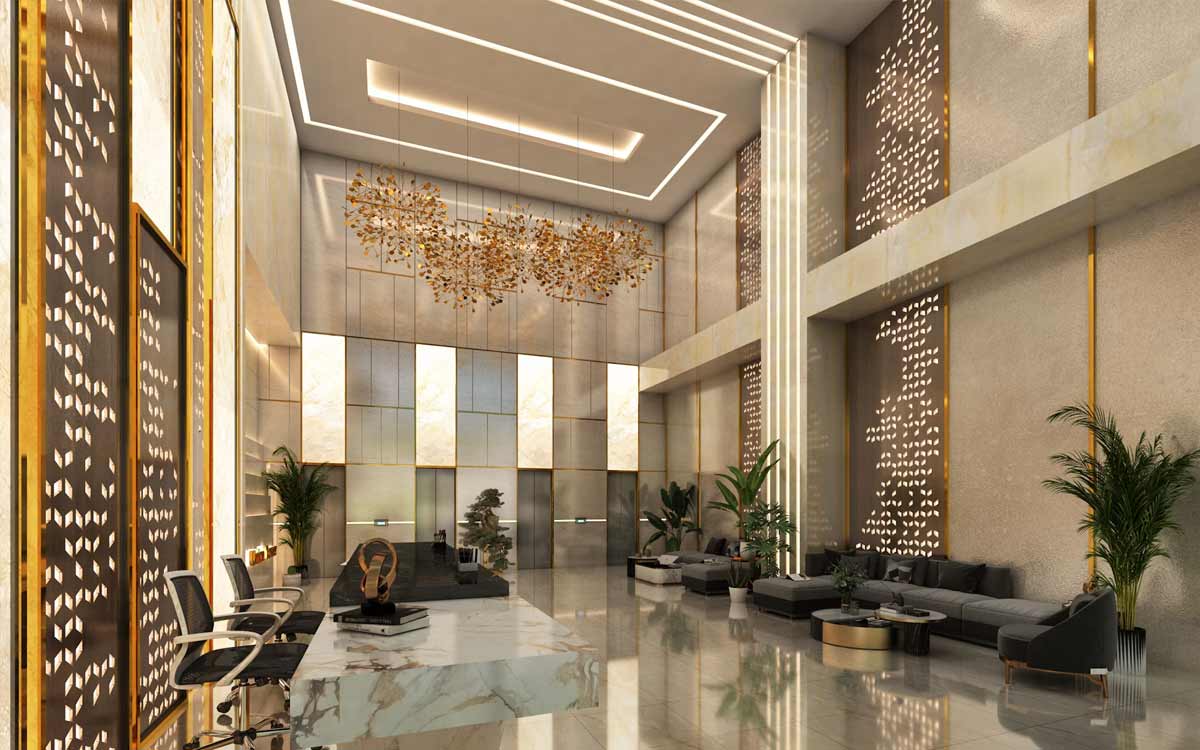
First Impressions Begin Before Conversations
Research consistently shows that people form opinions within seconds of entering a space.
Before customers interact with products or employees, they notice:
- Reception areas
- Lighting
- Furniture quality
- Cleanliness
- Layout
- Colours
- Sound levels
- Materials
- Overall atmosphere
These visual cues shape expectations.
A premium brand with tired furnishings and poor lighting immediately creates inconsistency. Likewise, an innovative technology company operating from outdated offices may struggle to communicate innovation.
Consistency between brand and environment builds credibility.
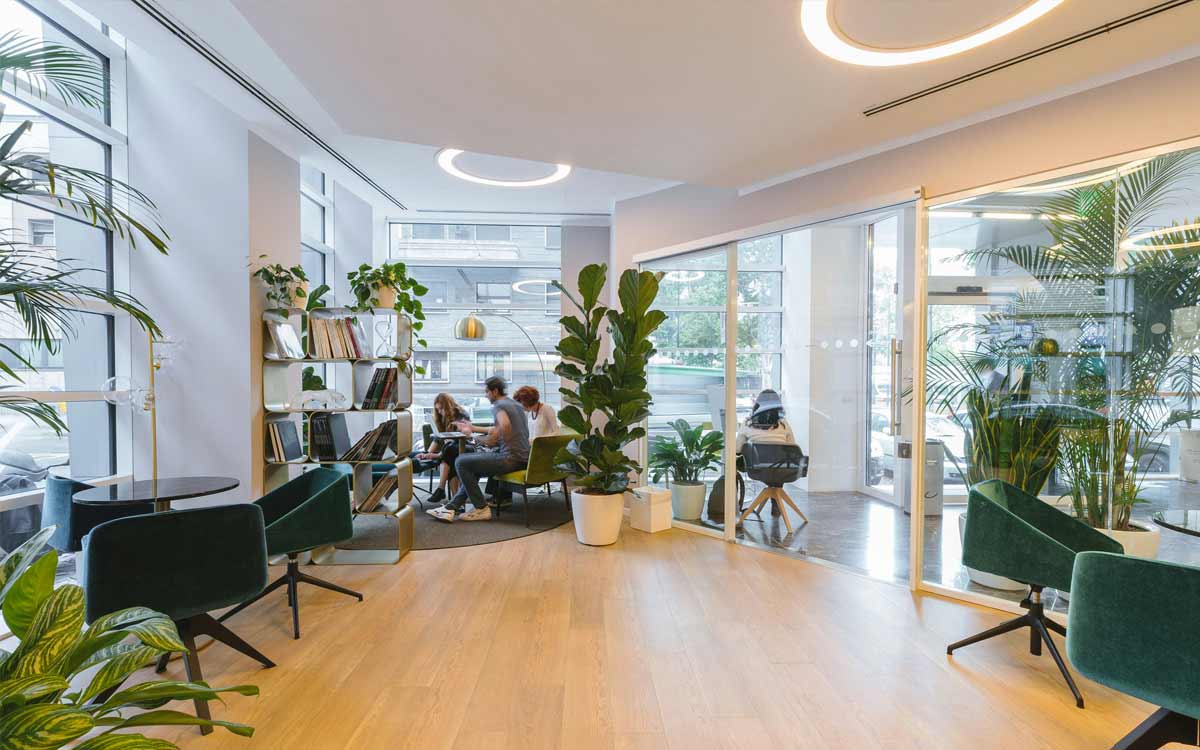
Layout Should Reflect How Your Business Operates
One of the most overlooked aspects of brand identity interior design is spatial planning.
Good layouts improve both customer experience and operational efficiency.
Customer Journey
Visitors should naturally understand where to go without excessive signage.
Successful layouts guide people through spaces using:
- Clear circulation routes
- Logical zoning
- Strategic focal points
- Comfortable waiting areas
- Natural wayfinding
Retail environments often encourage exploration, while professional offices typically prioritise clarity and efficiency.
Employee Experience
Brand identity also affects internal culture.
Employees spend significant time within commercial environments, making workplace design equally important.
Thoughtful layouts can support:
- Collaboration
- Privacy
- Focused work
- Informal meetings
- Wellbeing
- Flexibility
A workplace that reflects company values helps reinforce culture every day.
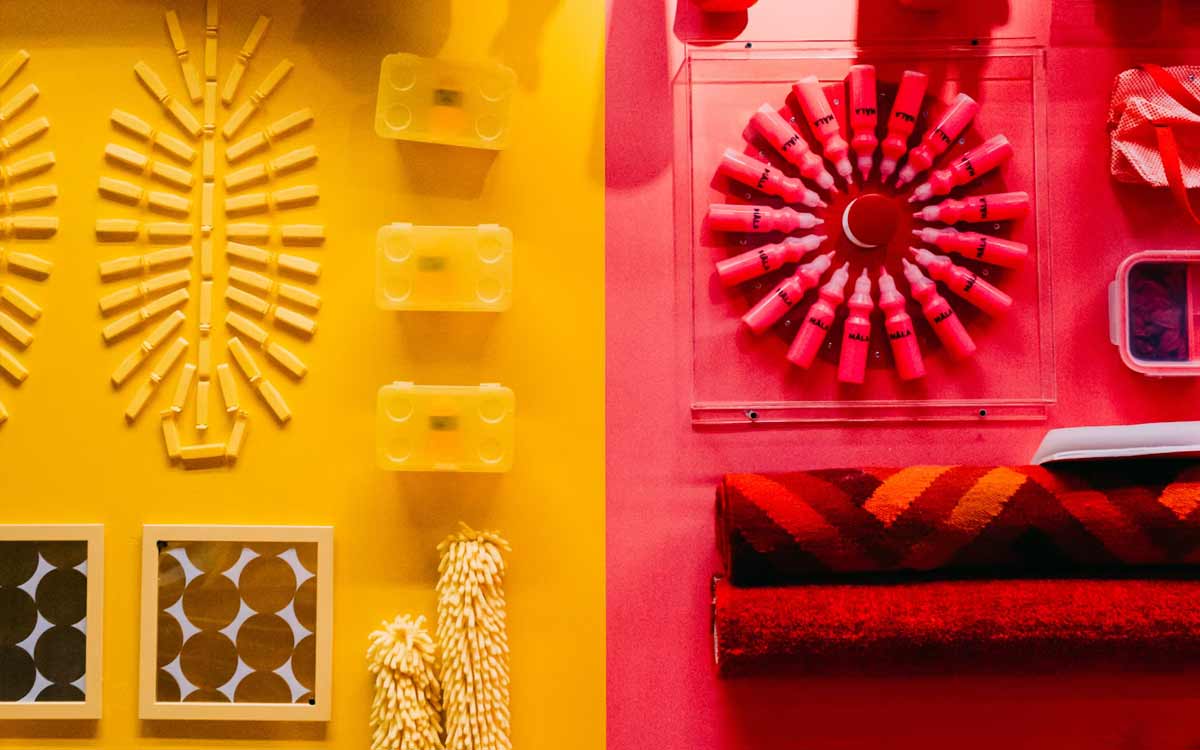
Colour Psychology and Brand Recognition
Colour is one of the fastest ways to communicate personality.
However, successful commercial interiors rarely rely solely on corporate colours.
Instead, designers interpret brand values through carefully balanced palettes.
For example:
Luxury Brands
Often benefit from:
- Warm neutrals
- Deep charcoal
- Rich timber
- Brass accents
- Natural stone
These combinations communicate quality without feeling overwhelming.
Creative Businesses
May introduce:
- Accent colours
- Graphic contrasts
- Feature walls
- Bespoke artwork
- Contemporary finishes
This creates energy while maintaining professionalism.
Wellness and Hospitality
Frequently use:
- Earthy greens
- Warm whites
- Natural oak
- Linen textures
- Soft lighting
These colours help visitors feel calm and relaxed.
The objective is always consistency rather than simply applying company colours throughout the building.
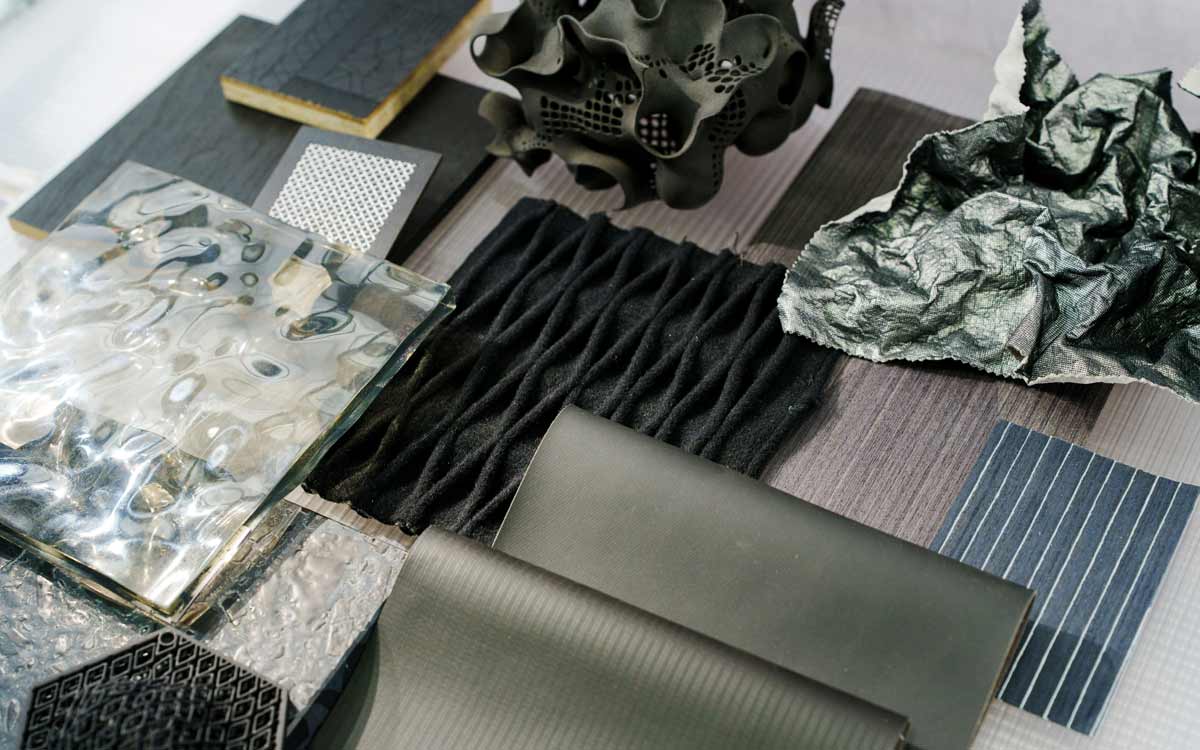
Materials Tell a Story
Customers rarely analyse materials consciously, yet they immediately influence perception.
Premium materials create confidence.
Natural materials often communicate authenticity.
Industrial finishes suggest innovation or creativity.
Examples include:
- Oak and walnut for warmth
- Concrete for modern urban environments
- Natural stone for longevity
- Linen fabrics for softness
- Glass to increase openness
- Steel for contemporary detailing
Selecting appropriate finishes ensures the environment reflects your brand personality at every touchpoint.

Lighting Shapes Emotion
Lighting is one of the most influential design tools in commercial interiors.
Poor lighting can undermine even the best-designed space.
Effective commercial lighting combines:
Ambient Lighting
Provides comfortable overall illumination.
Task Lighting
Supports staff productivity and customer interactions.
Accent Lighting
Highlights architectural features, products and artwork.
Decorative Lighting
Creates character while reinforcing brand identity.
Restaurants often rely on layered lighting to create atmosphere, while retail environments require balanced lighting that showcases products accurately.
For more insight into hospitality spaces, read our guide to Restaurant Interior Design, where we explore how lighting, layout and atmosphere work together.
Texture Creates Memorable Experiences
Brand identity is experienced through touch as well as sight.
Layering textures introduces depth while making spaces feel more inviting.
Examples include:
- Upholstered seating
- Textured wall finishes
- Timber panelling
- Soft acoustic fabrics
- Woven rugs
- Decorative plaster
- Natural stone
Texture also improves acoustics, comfort and overall wellbeing.
A carefully layered interior feels considered rather than purely functional.
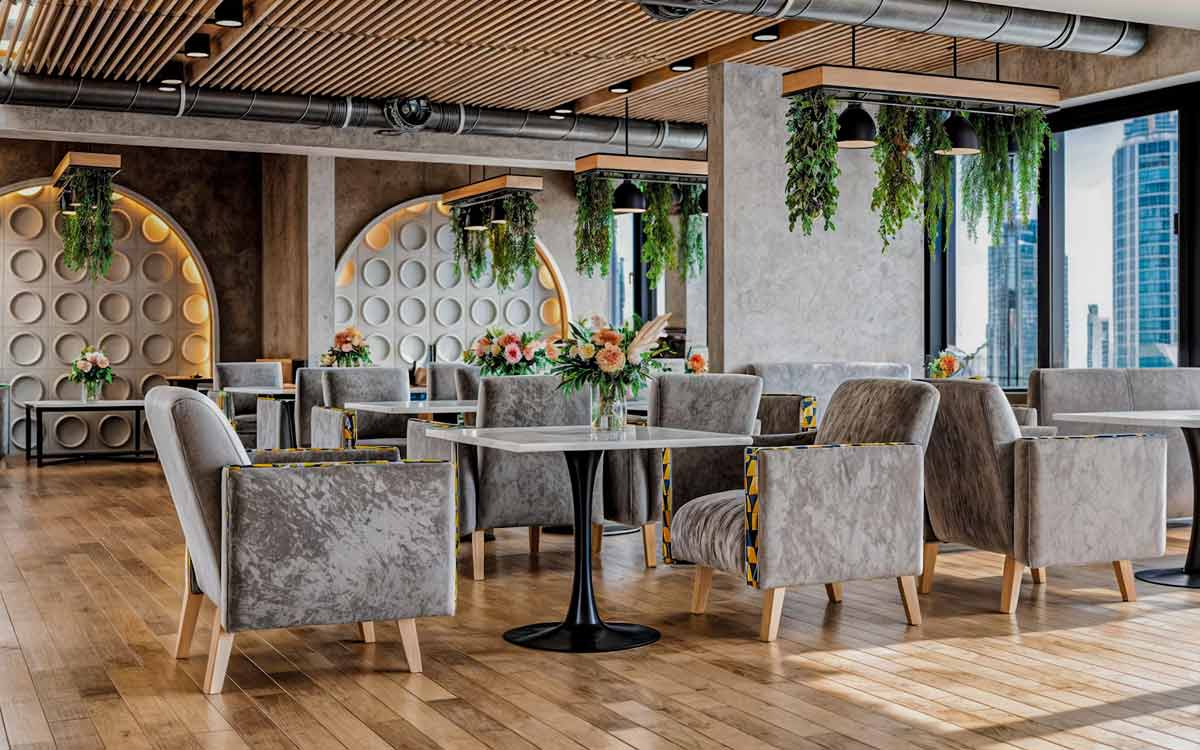
Furniture Reinforces Brand Personality
Furniture should complement both aesthetics and practical use.
When specifying commercial furniture, designers consider:
- Comfort
- Durability
- Scale
- Flexibility
- Maintenance
- Sustainability
For example:
A boutique hotel reception may feature bespoke lounge seating to encourage relaxation.
A collaborative office might include modular furniture that adapts as teams grow.
Retail environments often benefit from adaptable display systems that evolve with seasonal collections. For retailers looking to improve customer flow and product presentation, our guide to Retail Interior Design Ideas That Increase Sales explores practical design strategies that support both the customer experience and commercial performance.
Every furniture choice contributes to the overall perception of the brand.
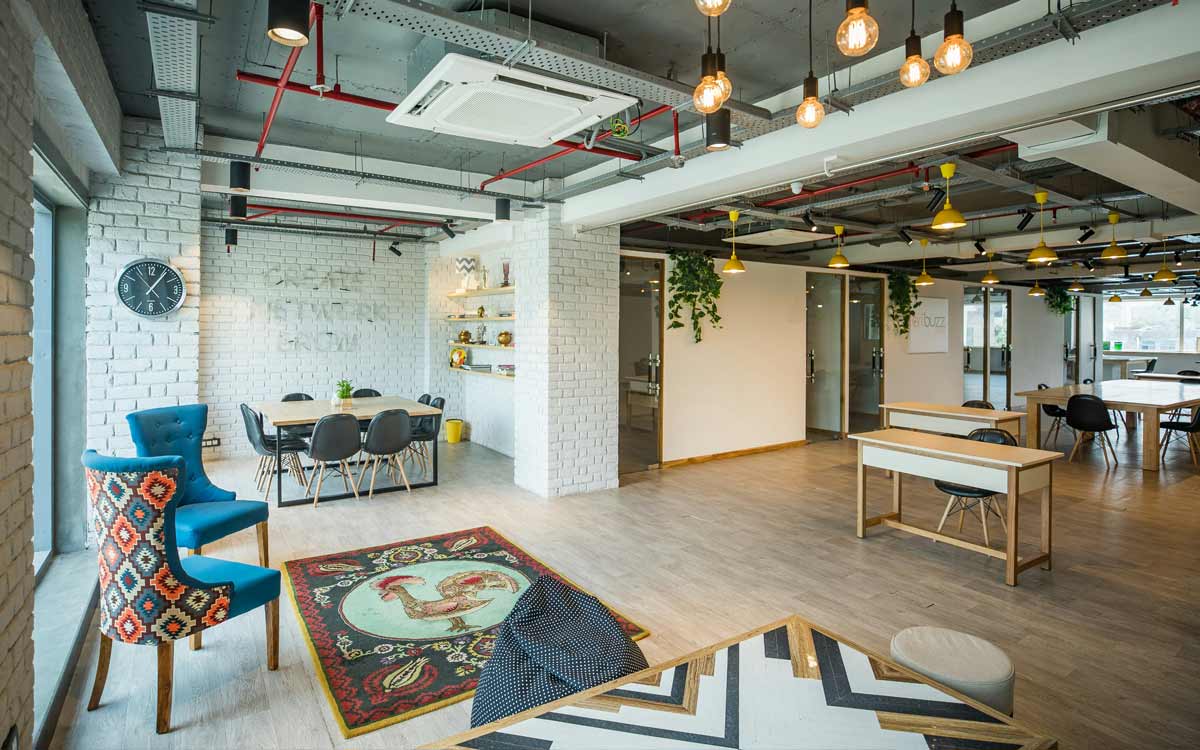
Branding Should Feel Integrated, Not Applied
One of the biggest mistakes businesses make is relying too heavily on logos.
Effective brand identity interior design integrates branding subtly throughout the environment.
Rather than displaying logos everywhere, designers express identity through:
- Architectural detailing
- Bespoke joinery
- Colour palette
- Lighting
- Material selection
- Furniture
- Artwork
- Graphics
- Spatial planning
Customers remember experiences more than logos.
A cohesive environment feels authentic rather than promotional.
Common Mistakes That Weaken Brand Identity
Even attractive commercial interiors can miss the mark when branding lacks cohesion.
Common issues include:
- Following short-lived design trends
- Ignoring customer behaviour
- Inconsistent materials throughout the space
- Poor lighting design
- Overusing corporate colours
- Prioritising aesthetics over functionality
- Neglecting employee wellbeing
- Choosing furniture based only on appearance
Avoiding these mistakes results in interiors that remain relevant for years while continuing to support business objectives.
Designer’s Tip
One of the first exercises we undertake during a commercial project is identifying three words that describe the client’s brand. Every design decision is then measured against those words.
For example, if a business wants to be perceived as “refined, welcoming and contemporary”, every element, from flooring and lighting to furniture and artwork, should reinforce those qualities. This simple approach creates consistency throughout the project and prevents individual design decisions from feeling disconnected.
Why Consistency Across Every Space Matters
Brand identity should not stop at reception.
Customers notice consistency across:
- Meeting rooms
- Corridors
- Washrooms
- Staff facilities
- Breakout spaces
- Restaurants
- Waiting areas
- Private offices
Every area contributes to the overall customer journey.
Likewise, employees benefit from working within environments that feel cohesive and reflect company culture.
Our Commercial Projects showcase how carefully considered interiors strengthen businesses across a variety of sectors, from workplaces and hospitality venues to customer-facing commercial environments.
As commercial projects become more complex, following a structured design process is equally important. Our guide to Commercial Interior Design Process Explained explores each stage of a project, from initial briefing and concept development through to technical design, procurement and installation, ensuring every decision supports both operational requirements and your brand identity.
Brand Identity Interior Design Creates Lasting Business Value
Successful commercial interiors do much more than create attractive spaces. They communicate your values, improve customer experience, strengthen employee engagement and help your business stand apart from competitors.
When layout, lighting, materials, colour and furniture all work together, the result is an environment that feels authentic and memorable. Rather than relying on superficial branding, businesses benefit from interiors that naturally express who they are through every detail.
Investing in thoughtful brand identity interior design also creates long-term value. Well-planned spaces remain relevant, adapt more easily as businesses grow and continue to reinforce customer confidence over many years.
Whether you are designing a new office, restaurant, retail environment or hospitality venue, taking a strategic approach to interior design ensures your space supports both your brand and your commercial ambitions.
Speaking of Interiors
Your London Interior Designer