
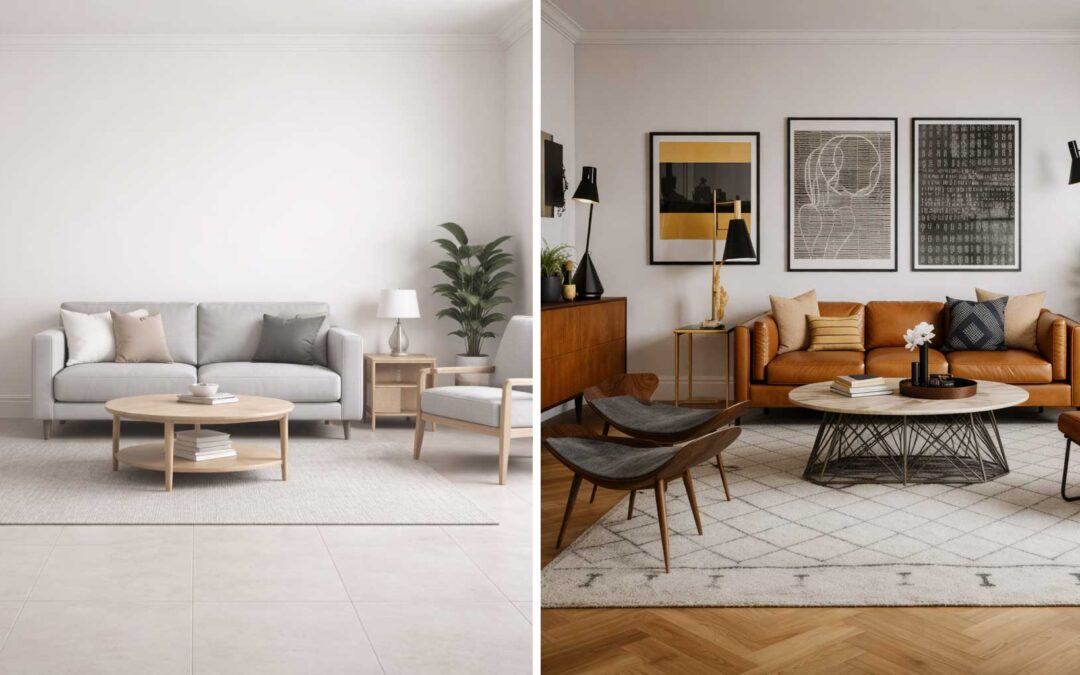
New build homes offer many advantages. They are energy efficient, structurally sound, and designed with modern living in mind. However, many homeowners feel that new properties can sometimes lack the character and warmth found in older homes with period features.
The good news is that with thoughtful interior design, it is entirely possible to transform a new build property into a home that feels personal, inviting, and full of character.
In this guide, we share practical interior design ideas that can help bring depth, warmth, and personality to a new build home.
Why New Build Homes Often Feel Neutral
Developers typically design new homes to appeal to the widest possible audience. This means interiors are often finished with neutral palettes, standard lighting, and simple layouts.
While this creates a clean starting point, it can also leave spaces feeling a little flat or generic.
Interior design allows homeowners to introduce:
- texture
- architectural interest
- layered lighting
- personality through materials and furnishings
If you would like to understand the fundamentals of designing a new property, you may also find our guide helpful: New Build Interior Design: 8 Tips to Turn Your Blank Canvas into a Beautiful Home
Introduce Architectural Details
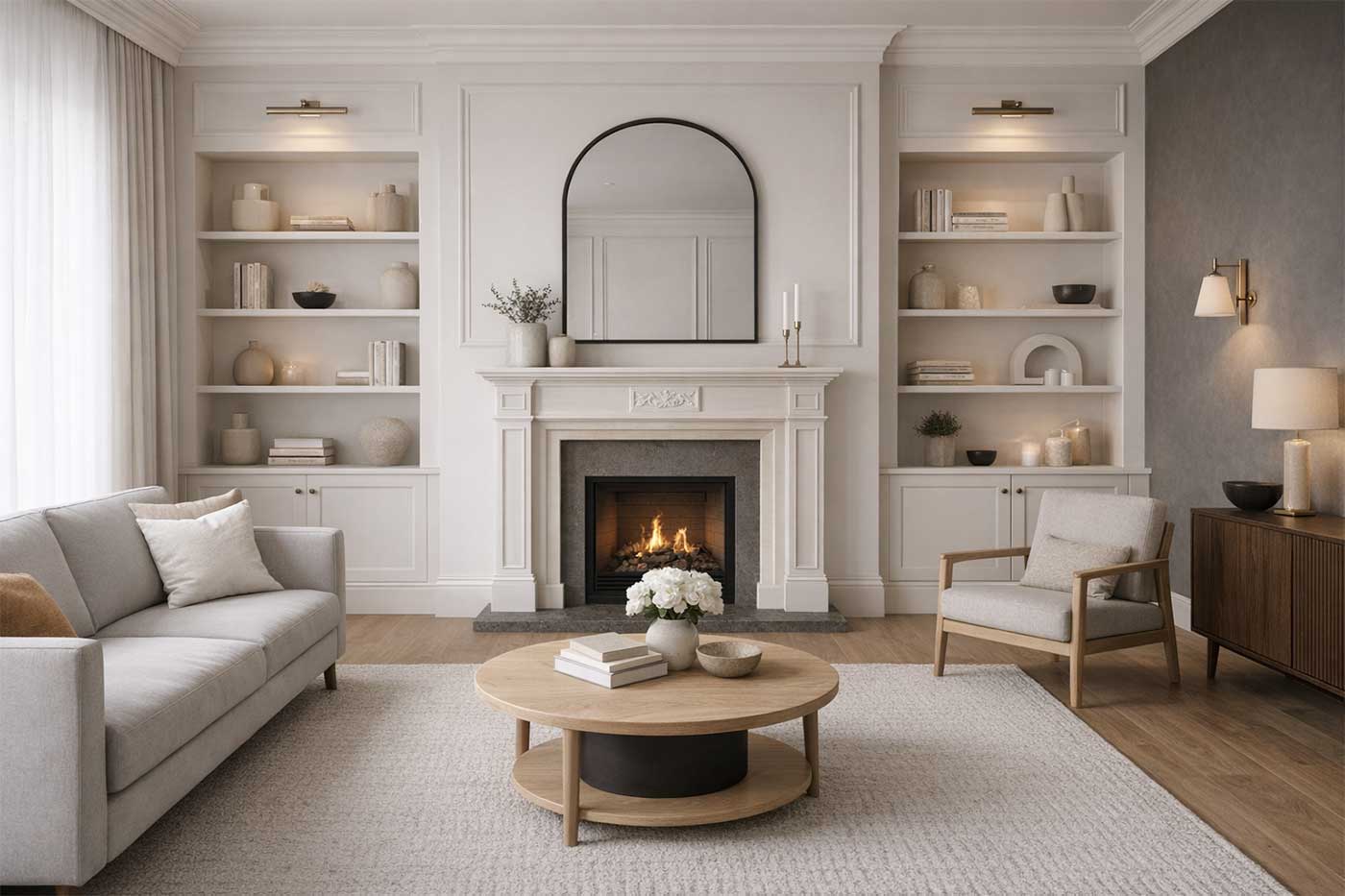
One of the most effective ways to add character to a new build home is to introduce architectural features.
These details help break up plain walls and give rooms a sense of depth and structure.
Popular design additions include:
- wall panelling
- decorative mouldings
- built-in shelving
- bespoke joinery
- feature fireplaces
Even simple details such as shaker-style panelling can dramatically change how a space feels.
These elements create visual interest and help a new build home feel more established and refined.
Use Layered Lighting
Lighting plays a crucial role in shaping the atmosphere of a home.
Many new build properties rely heavily on ceiling spotlights, which provide good general lighting but can make spaces feel flat if used alone.
A more considered lighting plan typically includes several layers:
- ambient lighting for overall illumination
- task lighting for practical activities
- accent lighting to highlight architectural features
Combining pendant lights, table lamps, wall lights, and floor lamps can create a warmer and more inviting environment.
Add Texture Through Materials
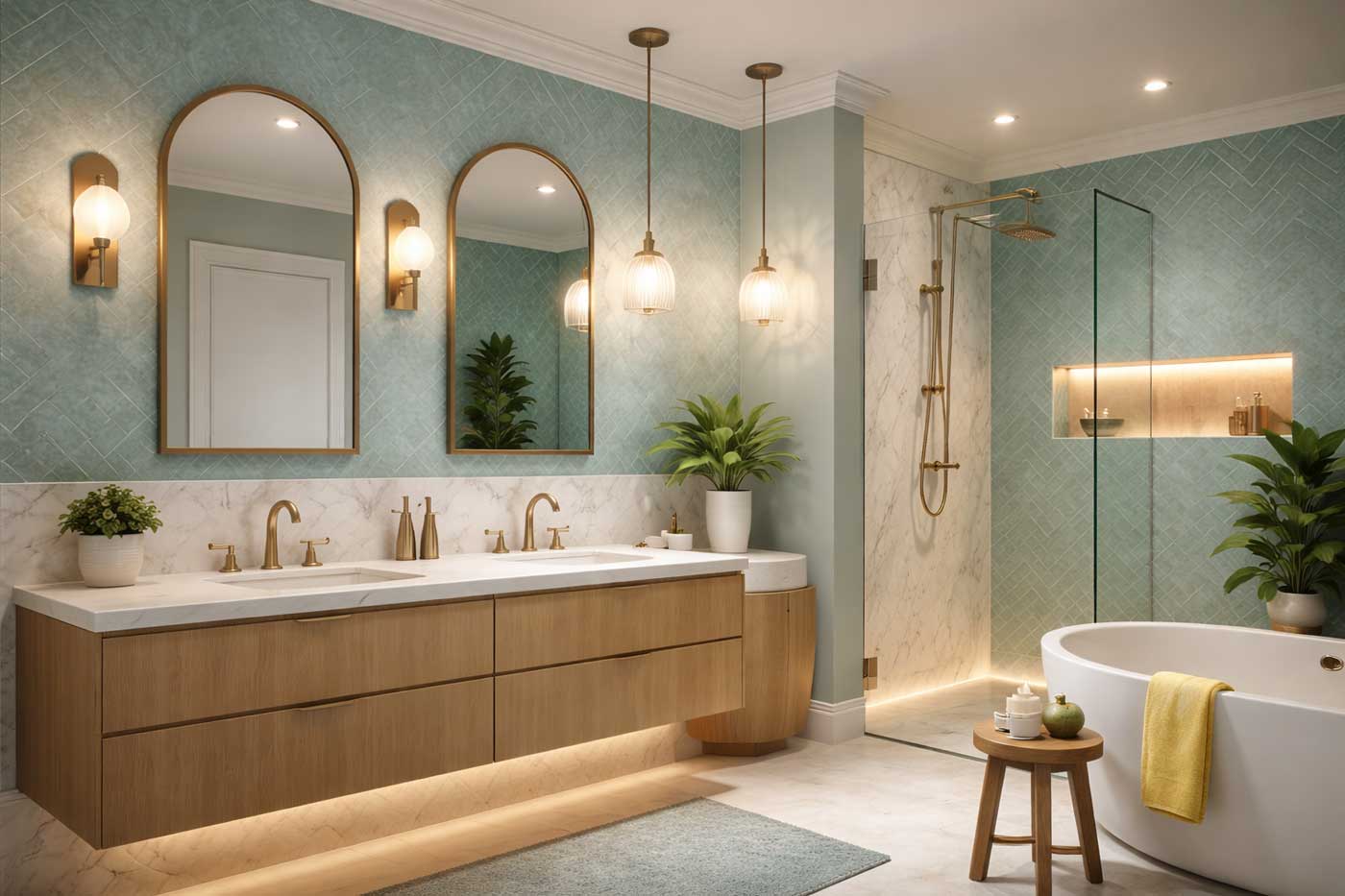
Texture is one of the key elements that brings warmth and depth to interior spaces.
In new build homes, where surfaces can feel very smooth and uniform, introducing a mix of materials can make a significant difference.
Examples include:
- natural wood furniture
- linen or wool textiles
- stone or marble surfaces
- woven rugs
- textured wall finishes
These elements help soften the clean lines of modern architecture and create a more layered and comfortable interior.
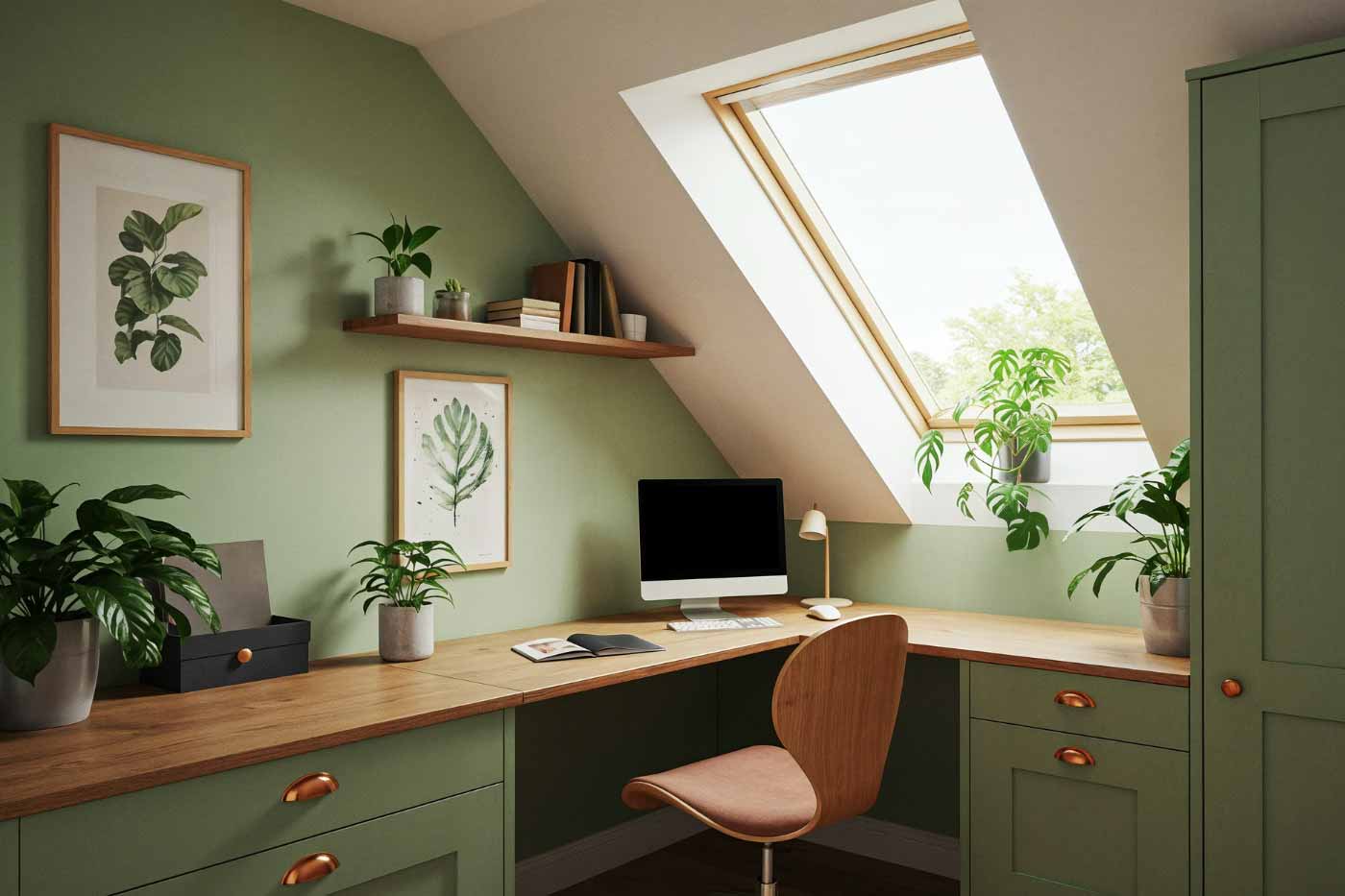
Choose a Cohesive Colour Palette
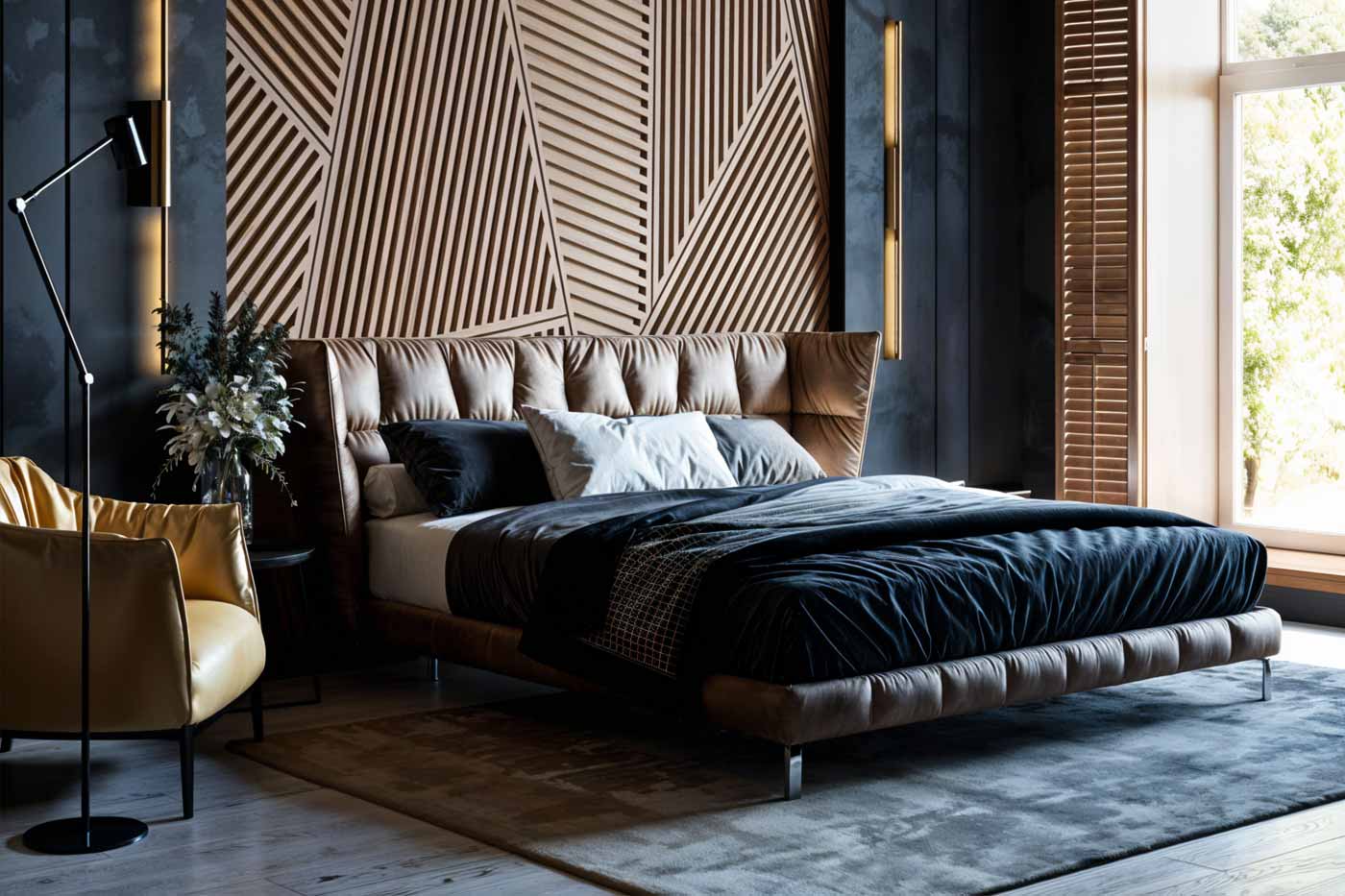
Colour can also play a major role in giving a new build property personality.
Rather than decorating each room independently, many interior designers recommend creating a cohesive palette that flows throughout the home.
This approach helps spaces feel connected and intentional.
If you are planning colours for a full property, you may find our guide useful: How to Create a Colour Scheme for Your Entire Home
Invest in Statement Furniture Pieces
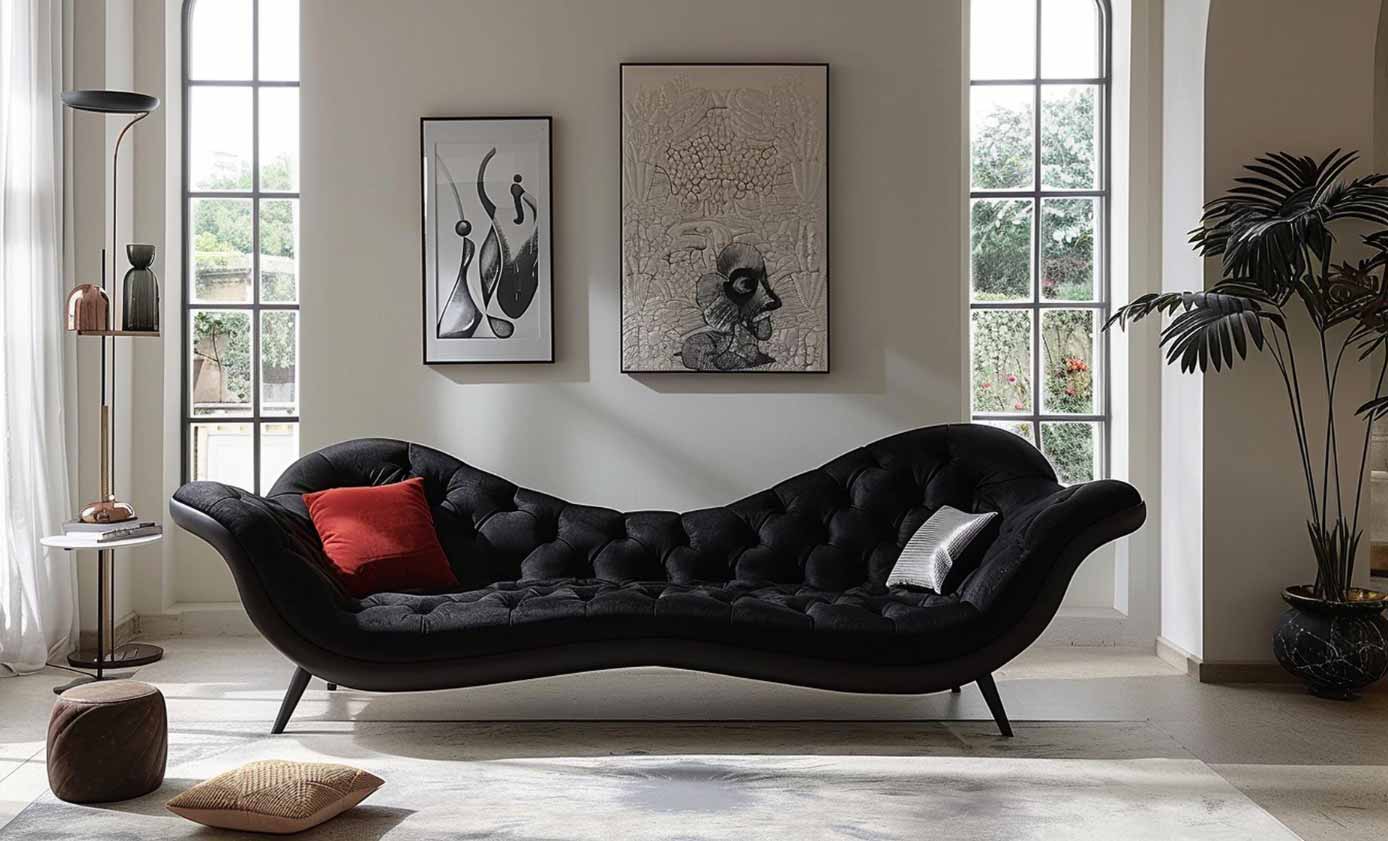
Another way to introduce character is through carefully chosen furniture.
Rather than filling a room with many small pieces, consider selecting a few key items that act as focal points.
For example:
- a sculptural sofa
- a distinctive dining table
- a vintage cabinet
- an oversized artwork
These elements add personality and help avoid the showroom-style feel that some new homes can develop.
Balance Modern Design with Personal Style
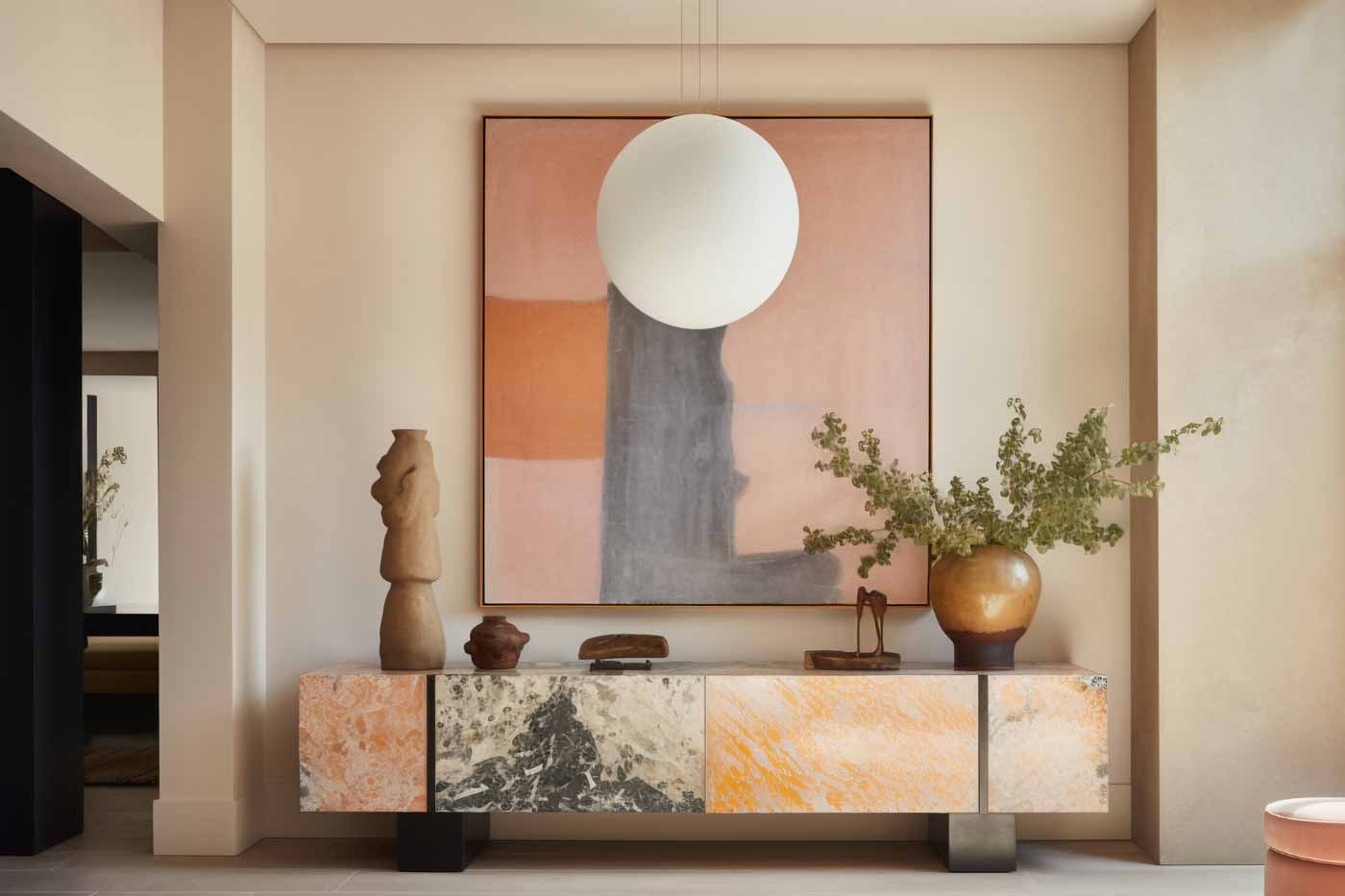
While new build homes often feature contemporary architecture, the interior design does not have to feel minimal or impersonal.
Mixing modern elements with personal pieces can help create a home that feels authentic and lived in.
Examples include:
- vintage accessories
- family artwork
- handmade ceramics
- books and collected objects
These details give the home a sense of history and individuality.
Plan the Layout Carefully
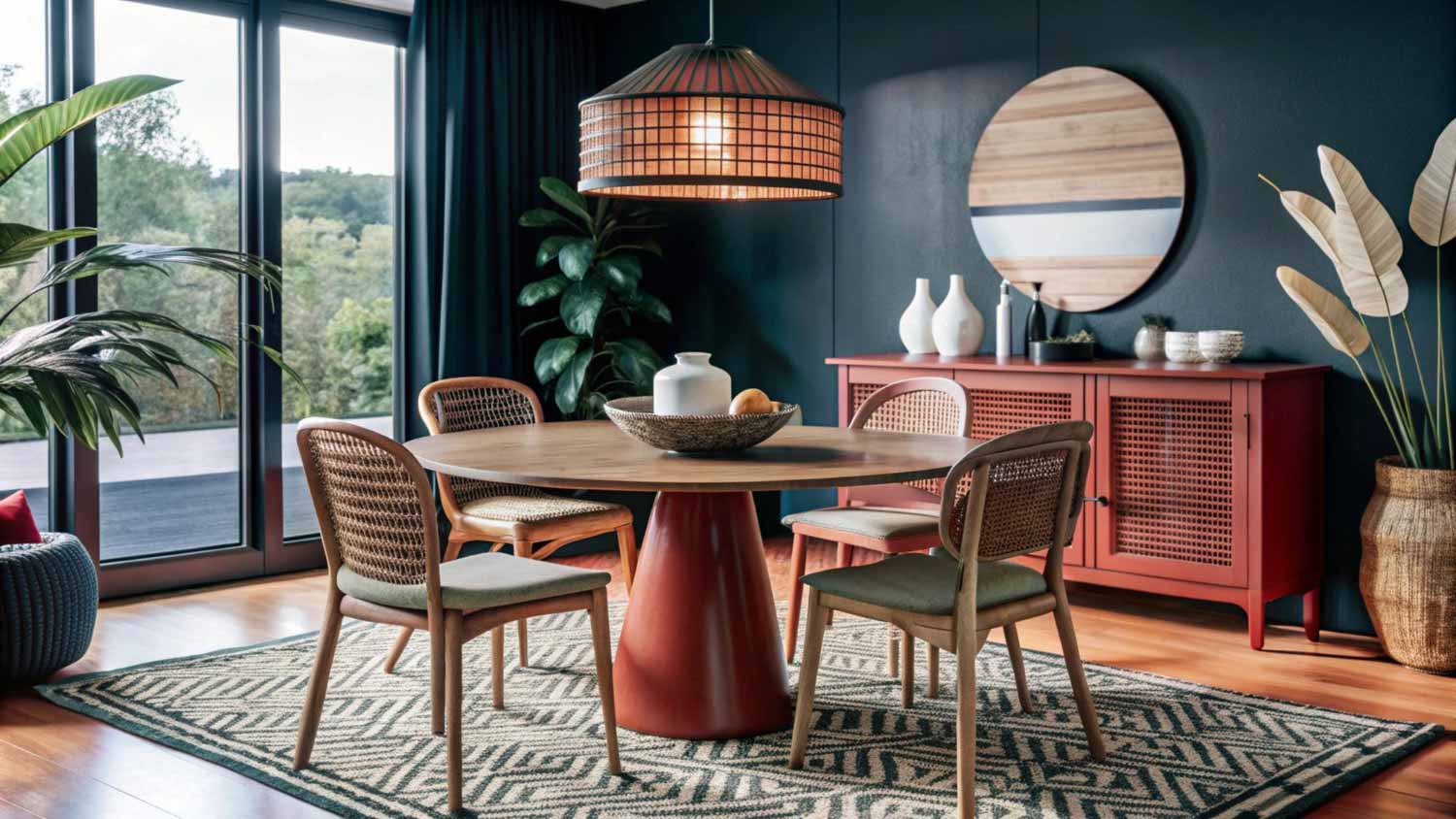
New homes often have open-plan layouts, which offer flexibility but can sometimes feel undefined.
Thoughtful space planning can help create clear zones for different activities.
For example:
- defining living areas with rugs
- using furniture to divide open spaces
- creating reading corners or quiet areas
Professional space planning is one of the most valuable aspects of interior design.
You can learn more about our approach on the Residential Interior Design service page.
When to Work with an Interior Designer
While many homeowners enjoy decorating themselves, new build homes often benefit from professional design guidance, particularly when multiple rooms need to work together.
An interior designer can help:
- develop a cohesive design concept
- plan layouts and furniture placement
- source materials and furnishings
- coordinate suppliers and installations
For larger renovations or full home transformations, a more comprehensive design approach may also be appropriate. You can explore our services here:
Creating a Home That Feels Personal
New build homes provide a wonderful opportunity to create an interior that truly reflects your lifestyle.
By introducing architectural details, layered lighting, texture, and carefully selected furniture, it is possible to transform a neutral new property into a home that feels warm, welcoming, and full of character.
With thoughtful design decisions, a new build home can become every bit as distinctive and inviting as a period property.