
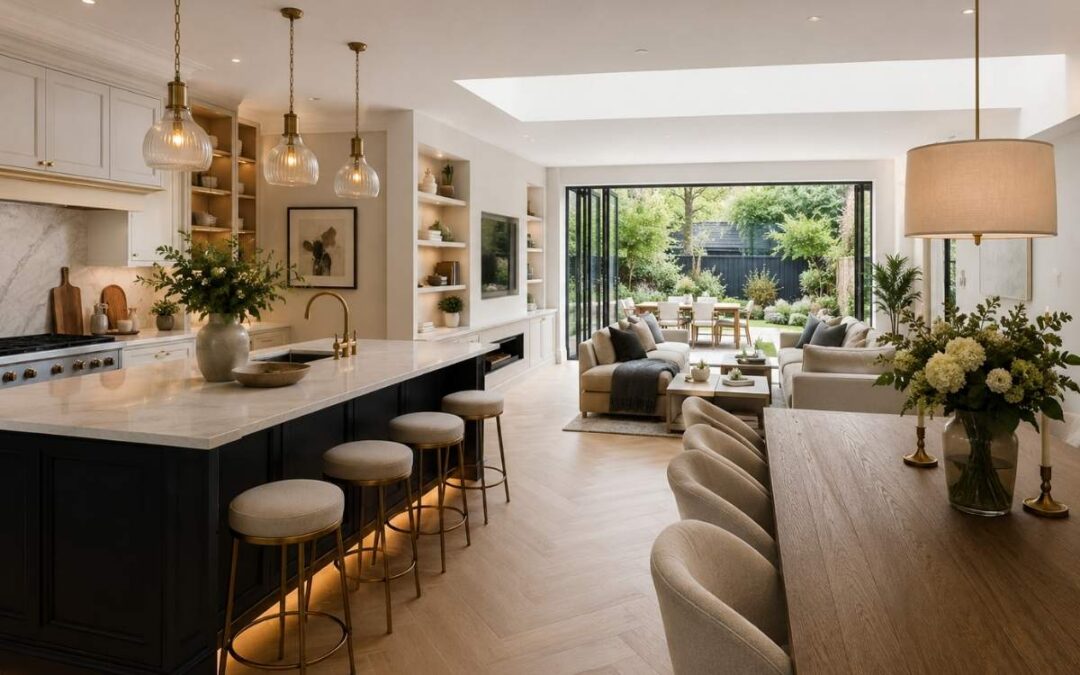
Planning a home renovation is exciting. Whether you’re modernising a dated property, improving functionality for a growing family, or transforming your house into your dream home, a renovation offers endless possibilities. However, it can also be one of the most stressful and expensive projects a homeowner undertakes.
Many renovations begin with enthusiasm but quickly become overwhelming. Budgets spiral, timelines extend, and design decisions become increasingly difficult as the project progresses. Often, the most costly mistakes happen before construction even begins, simply because there wasn’t a clear plan in place.
This is where an interior designer can make a significant difference.
While many people assume interior designers are only responsible for selecting paint colours and furniture, their role extends far beyond aesthetics. A skilled designer helps you plan layouts, optimise space, select materials, coordinate with contractors, manage budgets, and create a cohesive vision that guides every decision throughout the renovation process.
This comprehensive guide explains everything you need to know about renovating your home with the support of an interior designer, from setting goals and creating a budget to selecting finishes and avoiding common mistakes.
What Is a Home Renovation?
A home renovation refers to improving, updating, or transforming an existing property. Renovations can range from simple cosmetic updates to complete structural transformations.
Some homeowners focus on refreshing individual rooms, while others undertake full-property renovations that involve reconfiguring layouts, upgrading systems, or extending the property.
Common renovation projects include:
- Kitchen renovations
- Bathroom renovations
- Living room updates
- Bedroom redesigns
- Home office improvements
- Loft conversions
- Extensions
- Whole-house renovations
Every renovation is different, but the most successful projects share one thing in common: careful planning.
Whether you are updating a single room or undertaking a complete property transformation, investing in professional residential interior design services can help ensure every decision supports both your practical needs and your long-term vision for the property.
Why Work with an Interior Designer During a Renovation?
Many homeowners initially believe they can manage a renovation independently. While this may be possible for smaller projects, larger renovations often involve hundreds of decisions that affect both the appearance and functionality of a home.
An interior designer provides professional expertise that helps avoid costly mistakes while creating a home that works beautifully for everyday life.
Creating a Clear Vision Before Work Begins
One of the biggest challenges during a renovation is maintaining consistency.
Without a clear design direction, homeowners often make individual decisions in isolation. A flooring choice may not complement the kitchen cabinetry. Lighting selections may not suit the overall aesthetic. Furniture purchased early in the project may feel disconnected from the finished space.
An interior designer develops a comprehensive design concept before construction starts, ensuring every decision contributes to a cohesive final result.
Improving Functionality
Beautiful interiors are important, but functionality is equally essential.
A successful renovation should improve how you live within your home. This may involve:
- Improving circulation between rooms
- Increasing storage capacity
- Enhancing natural light
- Creating flexible family spaces
- Improving furniture layouts
- Making better use of awkward areas
The best renovations solve practical problems while also enhancing the overall appearance of the home.
Avoiding Expensive Mistakes
Mistakes made during construction are often costly to correct.
Examples include:
- Insufficient electrical sockets
- Poor lighting placement
- Inadequate storage
- Incorrect room layouts
- Choosing unsuitable materials
- Ordering furniture that does not fit the space
An experienced designer identifies these issues during the planning phase, reducing the likelihood of expensive revisions later.
Reducing Stress Throughout the Project
Renovations require countless decisions.
From selecting flooring and paint colours to coordinating deliveries and reviewing contractor proposals, homeowners often experience decision fatigue.
Professional guidance provides reassurance throughout the process, helping you make informed choices with confidence.
Step 1: Define Your Renovation Goals
Before contacting builders or selecting materials, it is important to establish exactly what you want to achieve.
Many homeowners jump straight into choosing finishes without fully understanding their priorities. This often leads to unnecessary spending and design compromises.
Ask Yourself Why You Are Renovating
Your objectives will shape every aspect of the project.
Common reasons include:
- Creating more space
- Improving functionality
- Modernising outdated interiors
- Increasing property value
- Accommodating a growing family
- Improving energy efficiency
- Preparing for long-term living
Understanding your motivation helps establish priorities from the outset.
Identify Existing Problems
Walk through your home and create a list of frustrations.
Consider:
- Rooms that feel cramped
- Areas lacking storage
- Poor lighting
- Awkward layouts
- Underused spaces
- Traffic flow issues
These challenges often reveal opportunities for meaningful improvement.
Think Long-Term
A renovation should support your lifestyle not only today but also in the years ahead.
Questions to consider include:
- Will your family requirements change?
- Are children likely to need additional space?
- Do you regularly work from home?
- Are you planning to remain in the property long-term?
The answers can influence everything from layout planning to material selection.
Step 2: Establish a Realistic Renovation Budget
One of the most important aspects of any home renovation is budgeting.
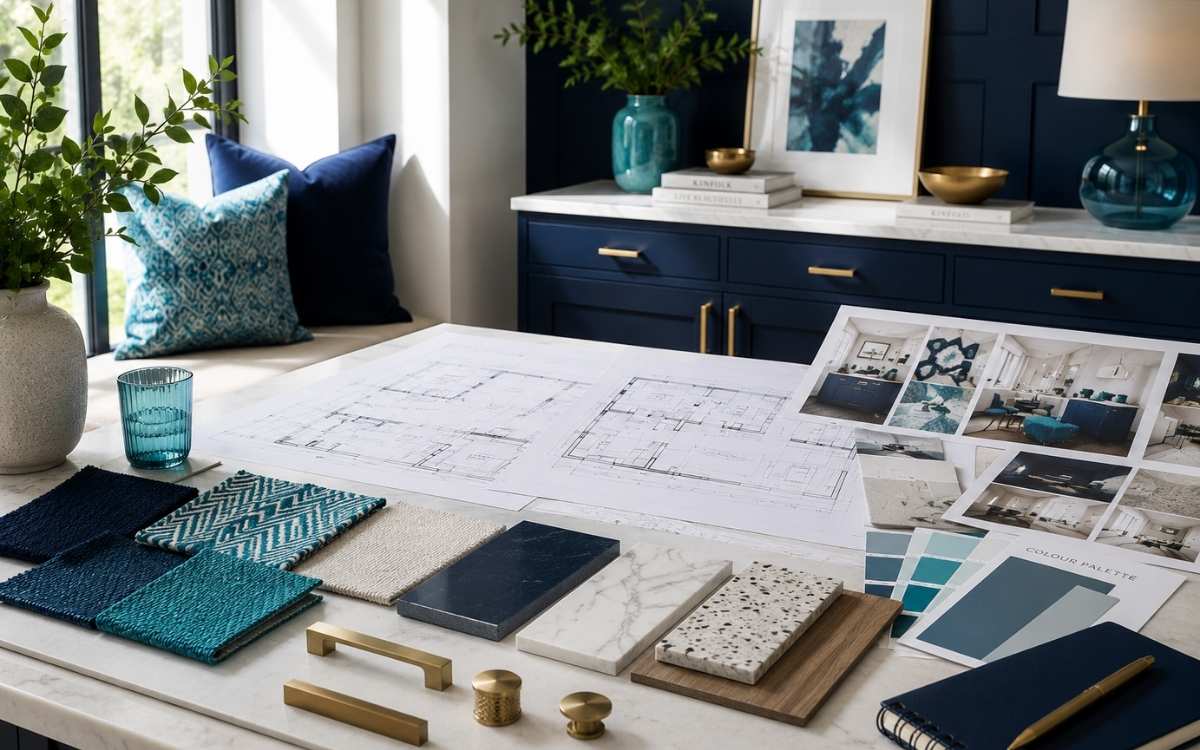
Without a realistic financial plan, projects can quickly exceed expectations. Whether you’re updating a single room or undertaking a complete property transformation, understanding where your money will be spent allows you to make informed decisions and avoid unnecessary stress later in the process.
A well-planned budget also helps prioritise investments that will have the greatest impact on the functionality, comfort and long-term value of your home.
What Should a Renovation Budget Include?
Many homeowners focus solely on construction costs and underestimate other essential expenses involved in a successful renovation.
A comprehensive renovation budget should include:
- Design fees
- Construction work
- Electrical and plumbing upgrades
- Flooring
- Joinery and cabinetry
- Kitchens and bathrooms
- Lighting
- Decorating
- Furniture
- Window treatments
- Professional fees
- Contingency funds
When working with a residential interior designer London, homeowners often discover that successful budgeting is not about spending more, but spending more strategically. Understanding where to invest and where savings can be made can significantly improve the final result.
The Importance of a Contingency Fund
Unexpected issues are common during renovations, particularly in older London properties.
Even the most carefully planned project can uncover challenges once work begins. Examples include hidden structural issues, damp problems, outdated wiring, plumbing complications or delays that affect labour costs.
For this reason, most professionals recommend allocating a contingency fund of approximately 10-15% of the overall budget.
Having this reserve in place allows decisions to be made calmly if unforeseen issues arise, rather than forcing compromises elsewhere in the project.
Understanding Design Costs
Some homeowners hesitate to hire an interior designer because of perceived costs.
However, professional design guidance often prevents expensive mistakes, improves budget allocation and helps ensure that every decision contributes to a cohesive final result.
An experienced designer can help avoid costly errors such as ordering unsuitable materials, creating impractical layouts or investing heavily in features that do not add meaningful value to the finished space.
If you’re considering professional support, our guide on how much does an interior designer cost explains what influences design fees and why many homeowners view professional expertise as a valuable investment.
How Much Does It Cost to Renovate a London Home or Flat?
One of the most common questions homeowners ask before starting a renovation is how much it will cost.
While every project is unique, understanding typical renovation costs can help establish realistic expectations and support better decision-making throughout the planning process.
In London, renovation costs vary significantly depending on:
- Property size
- Existing condition
- Scope of works
- Material selections
- Bespoke joinery requirements
- Kitchen and bathroom specifications
- Contractor pricing
- Structural alterations
A cosmetic refresh involving decorating, flooring and lighting will naturally cost far less than a complete renovation that includes new kitchens, bathrooms, custom storage, bespoke joinery and major building works.
It is also important to distinguish between interior renovations and larger construction projects. Interior designers focus on layouts, finishes, lighting, furniture and the overall aesthetic vision of the home. Extensions, loft conversions and structural works may also require architects, engineers, contractors and other specialists depending on the scope of the project.
The examples below provide general guidance based on common residential renovation projects.
Mid-Range Kitchen Renovation (£15,000-£30,000)
The kitchen is often the largest investment within a home renovation and can significantly influence both daily living and property value.
A mid-range kitchen renovation typically includes:
- New cabinetry from suppliers such as Howdens
- Standard quartz or laminate worktops
- Integrated appliances
- New flooring
- Decorative lighting
- Professional installation
The final cost will depend on the kitchen size, appliance specification and finish selections.
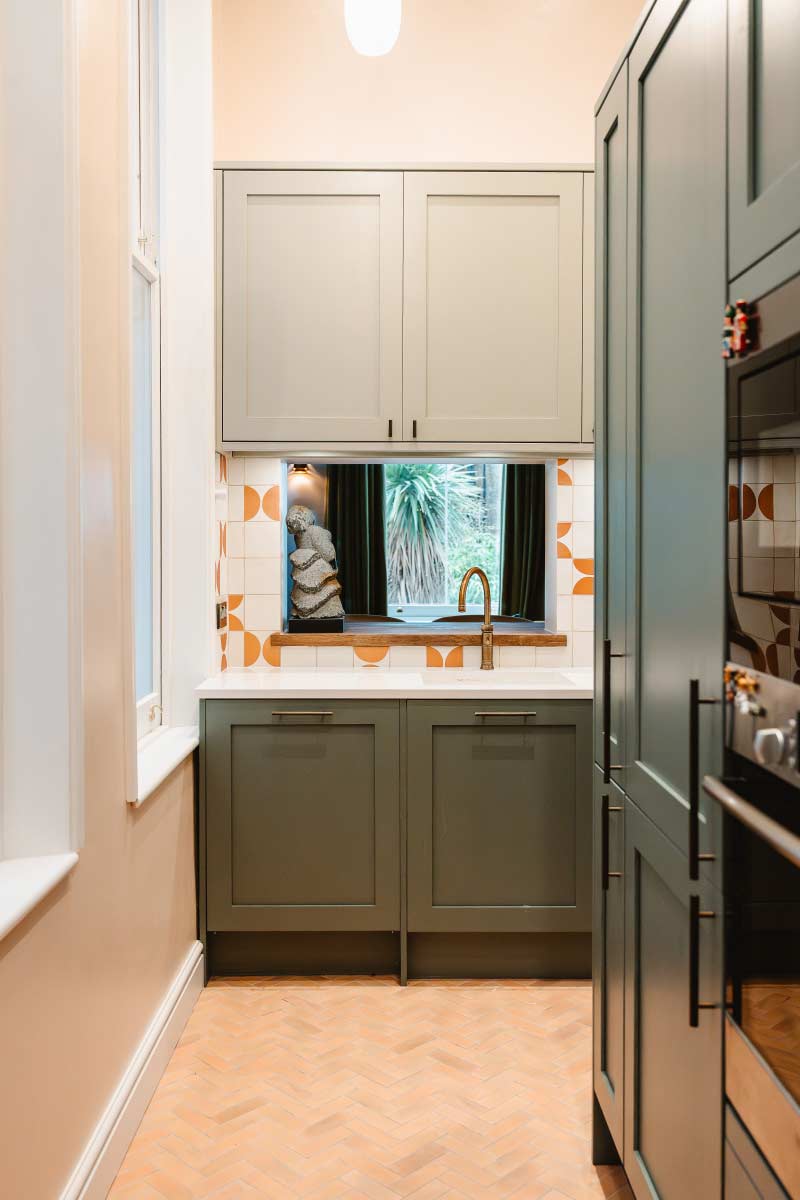
Our South Kensington Residence project demonstrates how thoughtful planning and carefully selected finishes can create a sophisticated, highly functional kitchen without the cost of a fully bespoke installation.
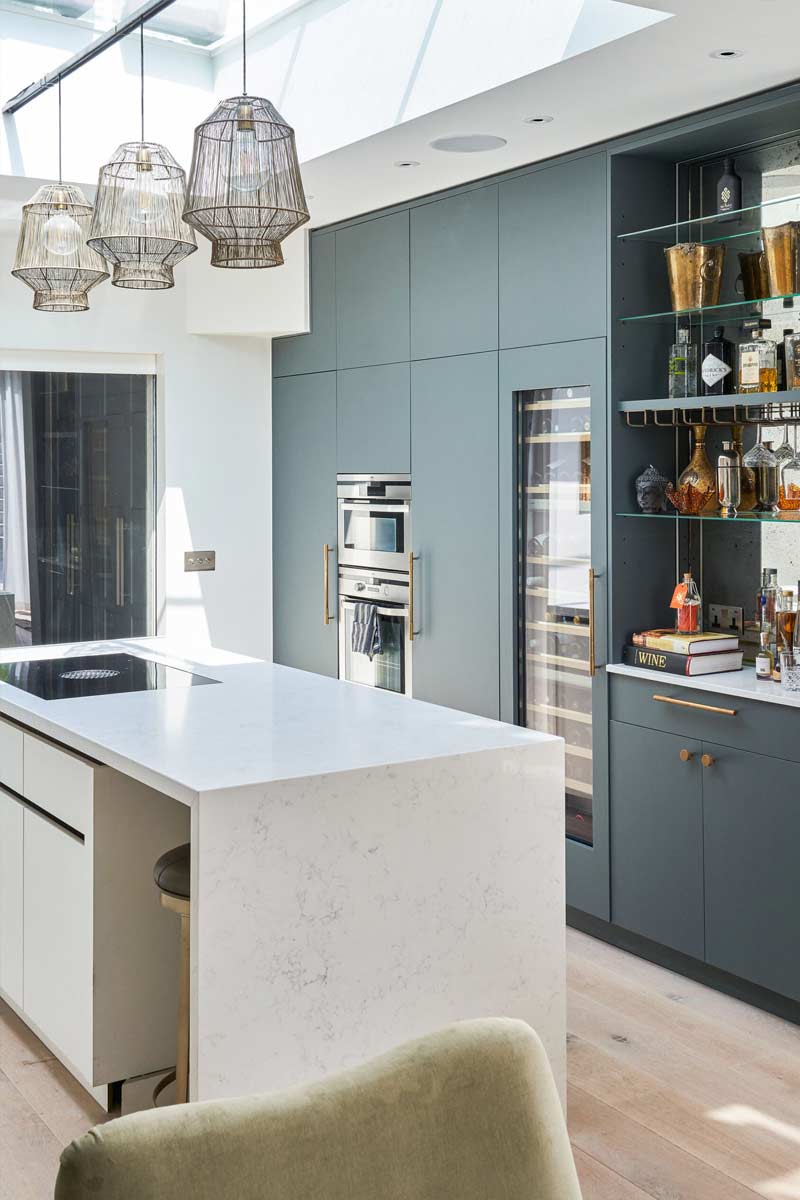
High-End Kitchen Renovation (£30,000-£90,000+)
At the premium end of the market, kitchens often include:
- Fully bespoke cabinetry
- Designer appliances
- Natural stone worktops
- Custom lighting schemes
- Specialist joinery
- Tailored storage solutions
- Professional kitchen company design and installation
These kitchens are designed specifically around the client’s lifestyle and property, resulting in a highly personalised space with exceptional attention to detail.
While the investment is significantly higher, the result is a kitchen that is entirely tailored to the way the household lives and uses the space.
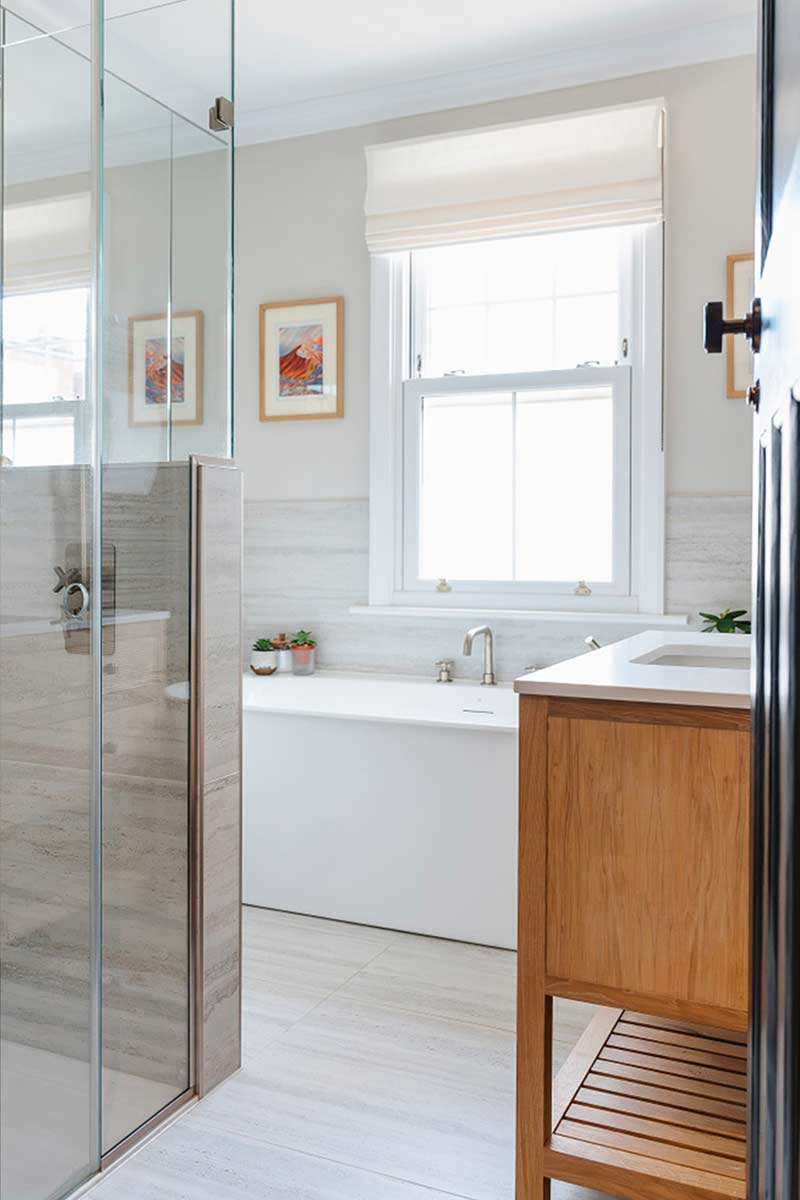
Mid-Range Bathroom Renovation (£12,000-£30,000)
Bathrooms are another area where costs can vary dramatically depending on specification.
A mid-range bathroom renovation may include:
- New sanitaryware
- Porcelain tiling
- Underfloor heating
- Bespoke vanity units
- Updated lighting
- Improved storage solutions
Our Modern Clapham South Residence project is an excellent example of how carefully selected materials and thoughtful design decisions can elevate a bathroom while maintaining a realistic renovation budget.
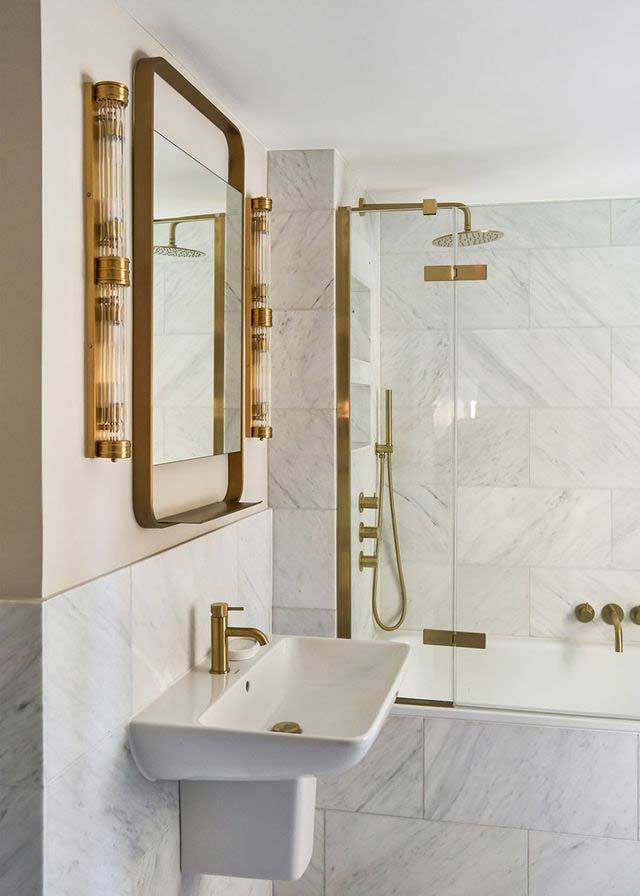
High-End Bathroom Renovation (£30,000-£50,000+)
Premium bathroom renovations often include:
- Natural stone finishes
- Bespoke joinery
- Walk-in showers
- Freestanding baths
- High-end brassware
- Specialist lighting design
- Custom detailing throughout
The level of craftsmanship and material specification can have a significant impact on overall costs, particularly when bespoke elements are introduced.
Extensions and Structural Alterations
Extensions, side returns and major structural changes typically operate within a different cost category altogether.
These projects often involve:
- Architects
- Structural engineers
- Building control approvals
- Contractors
- Specialist consultants
While an interior designer may contribute to layouts, finishes, lighting schemes and the overall design vision, construction management is usually handled separately by the building team.
The designer’s role is to ensure that the finished spaces are functional, beautiful and cohesive throughout the home.
For many homeowners, involving a designer early in the planning process helps ensure that newly created spaces flow naturally with the rest of the property rather than feeling like a disconnected addition.
Loft Conversions and Roof Space Transformations
Loft conversions can provide valuable additional living space, whether used as a principal bedroom suite, guest accommodation, home office or family room.
Costs vary significantly depending on:
- Structural requirements
- Roof configuration
- Access arrangements
- Planning considerations
- Bathroom requirements
- Joinery and storage solutions
An interior designer can help maximise the potential of these spaces through intelligent layouts, bespoke storage design, material selections and lighting plans, ensuring that the new accommodation feels fully integrated with the rest of the property.
Before committing to a renovation budget, it is worth considering whether professional design guidance could help you avoid costly mistakes and achieve a more cohesive result. You may also find our following articles useful when evaluating the benefits of working with a designer:
Step 3: Planning the Renovation Timeline
Successful renovations begin long before construction starts.
The planning phase is often the most important stage of the entire project.
Design and Planning
During this stage, decisions are made regarding:
- Layouts
- Space planning
- Design concepts
- Material selections
- Joinery specifications
- Lighting plans
The more decisions finalised at this stage, the smoother construction tends to be.
Procurement and Ordering
Many products have significant lead times.
Items such as bespoke joinery, specialist lighting, natural stone, and custom furniture may require several weeks or months to arrive.
Ordering these elements early helps avoid delays later.
Construction and Installation
This phase includes:
- Demolition
- Structural work
- First fix services
- Plastering
- Flooring
- Joinery installation
- Decorating
- Final fix electrical work
A realistic programme helps manage expectations and reduces stress throughout the project.
Choosing the Right Time to Renovate
Seasonal factors can influence renovation schedules, contractor availability, and project costs.
If you are considering a renovation in the near future, our article on the best time to start a home renovation in London explores the advantages and challenges associated with different times of the year.
Step 4: Creating a Design Concept That Works
A successful renovation requires more than individual design decisions. It needs a cohesive vision that guides every aspect of the project.
Without a clear concept, spaces can feel disconnected and lack personality.
Choosing an Interior Style
Your chosen style provides a framework for selecting materials, colours, furniture, and finishes.
Popular styles include:
- Contemporary
- Scandinavian
- Modern classic
- Traditional
- Transitional
- Minimalist
The goal is not to copy a trend but to create a home that reflects your lifestyle and personal taste.
Developing a Cohesive Colour Palette
Colour plays a significant role in creating harmony throughout a home.
Rather than selecting colours room by room, many designers develop an overall palette that flows naturally between spaces.
This approach helps create a sense of continuity while allowing individual rooms to maintain their own identity.
Balancing Beauty and Practicality
The most successful interiors combine aesthetics with functionality.
When selecting materials and finishes, consider:
- Durability
- Maintenance requirements
- Family lifestyle
- Pets and children
- Long-term performance
A beautiful material that requires constant maintenance may not always be the best choice for everyday living.
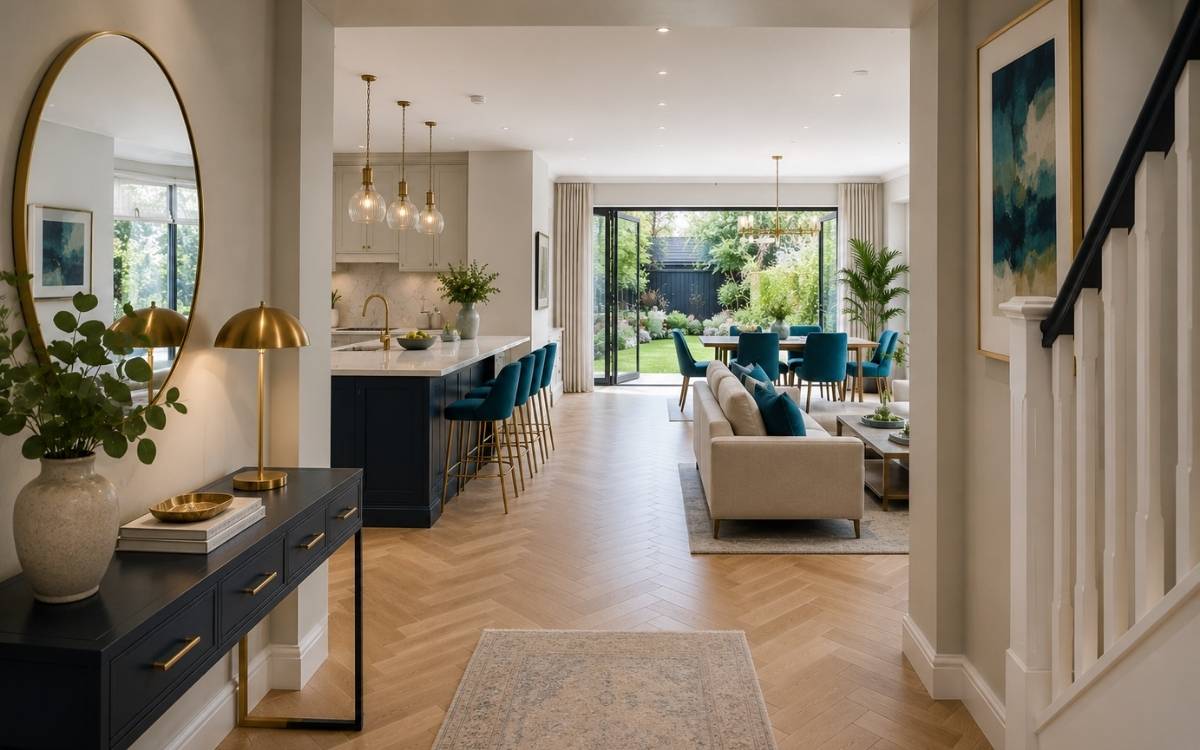
Step 5: Space Planning and Layout Design
Many homeowners focus heavily on colours, furniture and finishes during a renovation, but one of the most important aspects of good design is often invisible at first glance: the layout.
A well-planned layout determines how a space functions, how people move through it, and how comfortable it feels on a daily basis. Even the most beautifully decorated room can feel awkward if the layout has not been carefully considered.
Why Layout Matters More Than Decoration
Think about the rooms you enjoy spending time in. Chances are they feel easy to navigate, have clear purpose, and allow furniture to sit comfortably within the space.
Good space planning considers:
- Movement throughout the room
- Furniture placement
- Access to natural light
- Storage requirements
- Sight lines
- Multi-functional use
Before selecting furniture or finishes, an interior designer will often create detailed floor plans to ensure the room functions effectively.
Open-Plan Living Considerations
Open-plan spaces remain popular because they create a greater sense of space and encourage social interaction. However, successful open-plan design requires careful planning.
Consider:
- Defining zones for different activities
- Creating natural pathways through the space
- Using lighting to distinguish areas
- Incorporating sufficient storage
- Balancing openness with privacy
A kitchen, dining area and living room may occupy one large space, but each zone should still feel purposeful and organised.
Storage Should Never Be an Afterthought
One of the most common renovation mistakes is failing to plan enough storage.
Storage should be integrated into the design from the beginning rather than added later.
Examples include:
- Bespoke cabinetry
- Under-stair storage
- Built-in wardrobes
- Window seating with hidden storage
- Utility room solutions
- Multi-functional furniture
The most successful homes feel uncluttered because storage has been thoughtfully incorporated into the design.
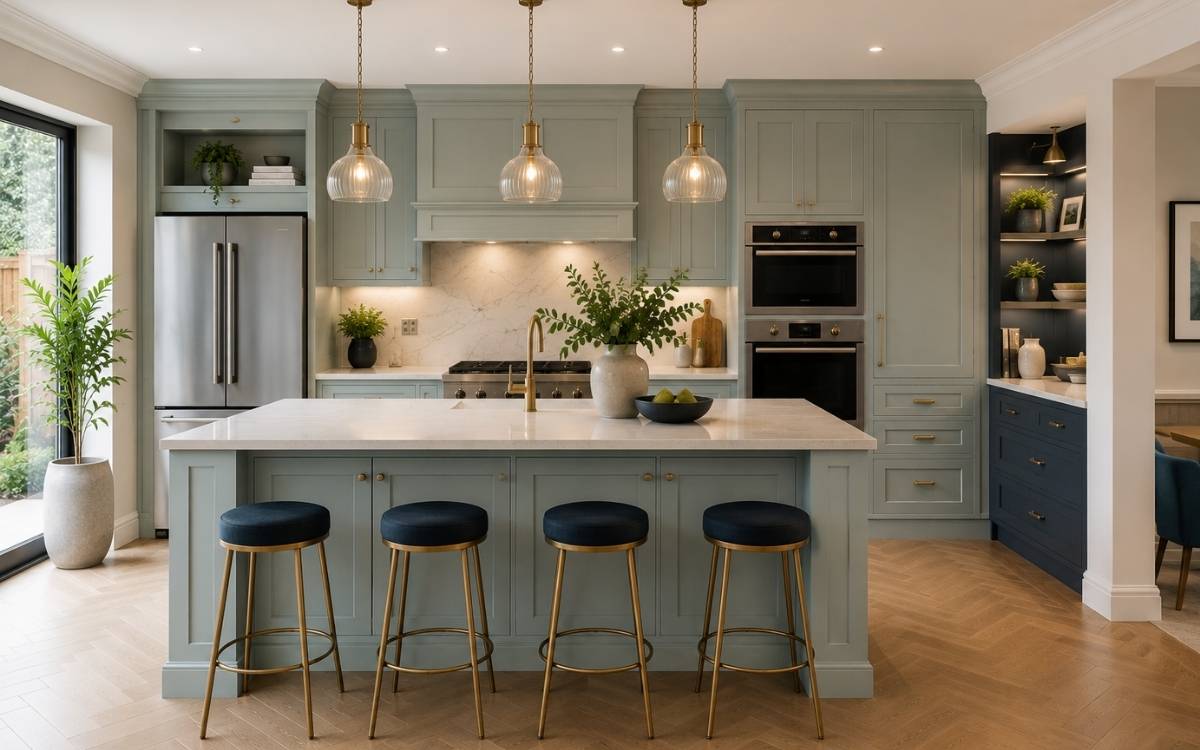
Step 6: A Room-by-Room Home Renovation Guide
Every room serves a different purpose, and each requires its own approach during a renovation.
Kitchen Renovation
The kitchen is often considered the heart of the home and typically represents one of the largest investments within a renovation budget.
A successful kitchen should balance practicality with aesthetics.
Important considerations include:
Workflow and Functionality
The relationship between the sink, cooker and refrigerator remains one of the most important principles of kitchen design.
A well-planned layout reduces unnecessary movement and improves efficiency.
Storage Solutions
Storage requirements often exceed expectations.
Consider:
- Deep drawers
- Pantry cupboards
- Pull-out organisers
- Integrated recycling stations
- Appliance storage
Lighting Layers
Kitchen lighting should include:
- General lighting
- Task lighting
- Feature lighting
Combining these layers improves both functionality and atmosphere.
Bathroom Renovation
Bathrooms have evolved significantly in recent years, becoming spaces focused on relaxation and wellbeing rather than purely practical functions.
Layout and Space Optimisation
Even smaller bathrooms can feel spacious when layouts are carefully planned.
Consider:
- Wall-hung fixtures
- Walk-in showers
- Floating vanities
- Recessed storage
Ventilation
Proper ventilation helps prevent condensation, mould and long-term maintenance issues.
Material Selection
Bathrooms require durable materials capable of handling moisture and regular use.
Popular options include:
- Porcelain tiles
- Natural stone
- Quartz surfaces
- Waterproof wall finishes
Living Room Renovation
Living rooms are often the most frequently used spaces within the home.
The goal should be creating a room that feels welcoming, comfortable and adaptable.
Furniture Layout
Furniture should encourage conversation while maintaining comfortable circulation throughout the room.
Avoid pushing all furniture against walls simply to create additional floor space.
Creating a Focal Point
Many successful living rooms are organised around a central feature such as:
- A fireplace
- Built-in shelving
- Large artwork
- Feature lighting
- Garden views
Layered Lighting
Relying on a single ceiling light rarely creates the desired atmosphere.
Instead, combine:
- Ceiling lighting
- Floor lamps
- Table lamps
- Wall lights
Bedroom Renovation
Bedrooms should feel calm, restful and highly functional.
Storage First
Adequate wardrobe space is essential.
Built-in storage often provides a cleaner and more efficient solution than freestanding furniture.
Colour and Texture
Soft colours, layered textures and quality fabrics help create a more relaxing environment.
Lighting for Relaxation
Bedrooms benefit from flexible lighting solutions that allow different moods throughout the day.
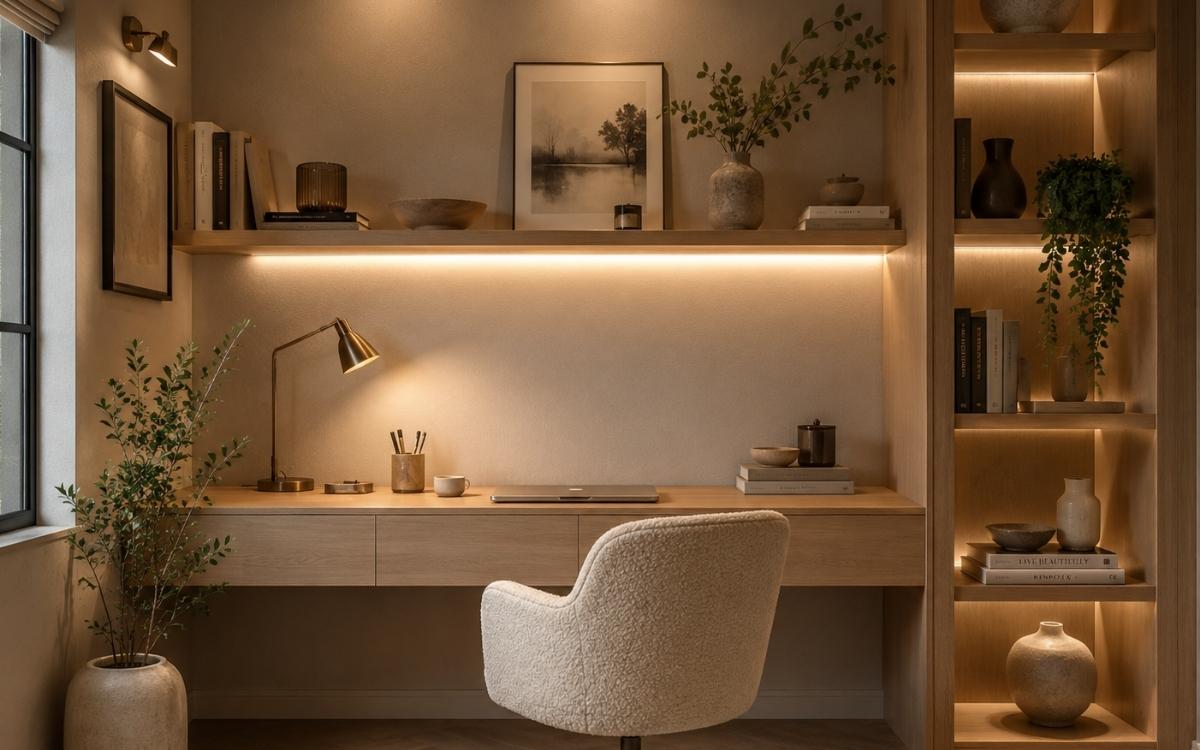
Home Office Renovation
With remote and hybrid working now common, home offices have become a priority for many homeowners.
A well-designed workspace can improve productivity while integrating seamlessly with the rest of the home.
When planning a home office renovation, consider:
- Ergonomic furniture
- Task lighting
- Acoustic comfort
- Storage solutions
- Backgrounds for video calls
For additional inspiration, explore our practical guide featuring stylish and affordable home office ideas for creating a productive workspace at home.

Step 7: Choosing Materials and Finishes
The materials you select during a renovation will influence the appearance, performance and longevity of your home.
While aesthetics are important, practical considerations should never be overlooked.
Flooring Options
Flooring forms the foundation of a room and should be selected carefully.
Popular choices include:
Engineered Wood
A popular option offering the appearance of solid timber with greater stability.
Hardwood Flooring
Timeless and durable, though typically more expensive.
Porcelain Tiles
Highly durable and available in a wide variety of finishes.
Natural Stone
Beautiful and unique, but often requires more maintenance.
Cabinetry and Joinery
Bespoke joinery can transform a space by maximising storage and creating a tailored appearance.
Examples include:
- Media units
- Wardrobes
- Home office cabinetry
- Kitchen storage
- Alcove shelving
Worktops and Surfaces
Popular options include:
- Quartz
- Granite
- Marble
- Porcelain
- Solid surface materials
Each offers different advantages in terms of durability, maintenance and appearance.
Hardware and Fixtures
Often overlooked, details such as handles, taps and switches can significantly influence the overall design.
Consistency throughout the property helps create a more polished result.
Step 8: The Importance of Lighting Design
Lighting is one of the most powerful tools in interior design, yet it is frequently underestimated during renovations.
Even a beautifully designed room can feel uninspiring if the lighting has been poorly planned.
The Three Layers of Lighting
Successful lighting schemes combine three key layers.
Ambient Lighting
Provides overall illumination throughout the room.
Examples include:
- Ceiling pendants
- Recessed downlights
- Flush-mounted fixtures
Task Lighting
Supports specific activities.
Examples include:
- Kitchen under-cabinet lighting
- Reading lamps
- Desk lighting
- Bathroom mirror lighting
Accent Lighting
Highlights architectural features and decorative elements.
Examples include:
- Picture lights
- Shelf lighting
- Wall washing
- Feature pendants
Planning Lighting Early
Lighting plans should be developed before electrical work begins.
Late changes can result in unnecessary costs and compromises.
An interior designer will often prepare detailed lighting plans alongside furniture layouts to ensure both functionality and atmosphere are considered from the start.
Step 9: Working with Builders and Contractors
Even the best renovation plans depend on successful execution.
Selecting the right team and maintaining clear communication throughout the project is essential.
Obtaining Accurate Quotations
Before work begins, ensure contractors receive detailed information regarding:
- Layouts
- Specifications
- Materials
- Finishes
- Scope of works
The more information provided, the more accurate the quotations are likely to be.
Communication Throughout the Project
Regular communication helps identify issues early and prevents misunderstandings.
This may include:
- Site meetings
- Progress reviews
- Budget updates
- Programme discussions
The Value of Professional Coordination
Many homeowners underestimate how much coordination is required during a renovation.
Managing contractors, suppliers, deliveries and schedules can quickly become a full-time responsibility.
For larger renovations, a turnkey interior design service can remove much of this stress by managing the project from concept through to completion.
This approach provides a single point of contact and helps ensure every aspect of the design is delivered as intended.
Step 10: Renovating Different Types of Homes
No two renovation projects are exactly the same. The age, layout and character of a property will all influence the design approach, budget and construction process.
Understanding the unique challenges of your property type can help you make better decisions and avoid unexpected complications.
Renovating a Victorian Property
Victorian homes are loved for their character, period features and generous proportions. However, they often require careful updating to meet modern living requirements.
Common renovation considerations include:
- Improving insulation
- Updating electrical systems
- Reconfiguring layouts
- Restoring original features
- Enhancing natural light
Many Victorian properties were designed with smaller, separate rooms. Today’s homeowners often prefer a more open and connected layout while still preserving the property’s character.
The challenge is finding the right balance between period charm and contemporary living.
Renovating an Edwardian Home
Edwardian properties tend to offer slightly larger rooms and more natural light than Victorian homes.
Popular renovation improvements include:
- Kitchen extensions
- Open-plan living areas
- Bespoke storage
- Updated bathrooms
- Garden connections
These homes often provide excellent opportunities to create spacious family environments while maintaining original architectural details.
Renovating a Flat or Apartment
Apartment renovations require a slightly different approach.
Factors to consider include:
- Building regulations
- Lease restrictions
- Sound insulation
- Structural limitations
- Storage solutions
Because square footage is often more limited, every design decision needs to work harder.
Thoughtful space planning can significantly improve both functionality and comfort.
Renovating a New-Build Property
New-build homes often provide a blank canvas but can sometimes lack personality and character.
Many homeowners choose to renovate new-build properties to introduce:
- Bespoke joinery
- Feature lighting
- Architectural detailing
- Improved storage
- Higher-quality finishes
These improvements can dramatically enhance both the appearance and functionality of the home.
Step 11: Common Home Renovation Mistakes to Avoid
Even well-intentioned renovation projects can encounter problems.
Understanding the most common mistakes can help you avoid unnecessary costs, delays and frustration.
Starting Without a Detailed Plan
One of the biggest mistakes homeowners make is rushing into construction before finalising design decisions.
Every major element should be considered before work begins, including:
- Layouts
- Lighting
- Materials
- Furniture placement
- Storage solutions
Changing plans during construction is almost always more expensive than resolving issues during the planning phase.
Following Trends Too Closely
Trends can provide inspiration, but your renovation should primarily reflect your lifestyle and personal preferences.
A home designed solely around current trends may feel dated within a few years.
Instead, focus on timeless foundations and introduce trends through accessories, artwork and soft furnishings.
Underestimating the Budget
Few homeowners regret budgeting carefully.
Many regret failing to allow for:
- Contingency costs
- Professional fees
- Furniture
- Window treatments
- Landscaping
- Unexpected repairs
A realistic budget reduces stress and allows for better decision-making throughout the project.
Ignoring Storage Requirements
Storage is one of the most valuable investments in any renovation.
Insufficient storage often leads to clutter and reduces the functionality of otherwise beautiful spaces.
Always consider storage requirements during the planning stage.
Poor Lighting Design
Lighting should never be treated as an afterthought.
Relying solely on ceiling lights often results in spaces that feel flat and uninspiring.
Layered lighting creates flexibility, atmosphere and improved functionality.
Making Last-Minute Changes
Changes during construction can affect budgets, schedules and contractor availability.
While some adjustments may be unavoidable, major decisions should ideally be finalised before work begins.
Step 12: Is a Turnkey Renovation Right for You?
Many homeowners love the idea of a renovation but worry about managing the process.
Coordinating builders, suppliers, deliveries, budgets and design decisions can quickly become overwhelming.
This is why many clients choose a turnkey interior design service.
A turnkey approach allows the entire project to be managed from start to finish by one team.
Services often include:
- Design development
- Space planning
- Material specification
- Procurement
- Contractor coordination
- Installation management
- Styling and finishing
For busy professionals, families and homeowners managing larger projects, this approach can significantly reduce stress while ensuring a cohesive result.
Rather than juggling multiple suppliers and contractors independently, you benefit from a streamlined process guided by experienced professionals.
Step 13: Can You Renovate with Remote Design Support?
Not every renovation requires face-to-face meetings.
Many homeowners now work successfully with designers through online interior design services, particularly when they:
- Live abroad
- Have second homes
- Prefer flexible consultations
- Need design guidance rather than full project management
Online services can provide support with:
- Layout planning
- Mood boards
- Colour schemes
- Furniture selections
- Material recommendations
- Design concepts
This approach offers professional expertise while providing greater flexibility and accessibility.

Bringing Your Home Renovation Vision to Life
A successful home renovation is about far more than choosing attractive finishes. It requires careful planning, thoughtful design decisions and a clear understanding of how you want your home to function both now and in the future.
The most rewarding renovations are those that improve everyday living. They create homes that feel comfortable, practical and uniquely personal while adding long-term value to the property.
Whether you’re updating a single room, renovating an entire house or planning a more complex transformation, investing time in the planning stage can make all the difference. From establishing a realistic budget to developing a cohesive design vision, every decision contributes to the overall success of the project.
Working with a professional designer can help you navigate the renovation process with confidence, avoiding common pitfalls while ensuring every detail supports your lifestyle and goals.
Whether you need the expertise of a residential interior designer London, are looking for a fully managed turnkey interior design service, or would prefer the flexibility of online interior design services, professional guidance can help transform your ideas into a home that is both beautiful and functional for years to come.
Speaking of Interiors
Your London Interior Designer
——————————————————————
Frequently Asked Questions
When should I hire an interior designer during a renovation?
Ideally, an interior designer should be involved before any construction work begins. Early planning helps avoid costly mistakes and ensures the design supports both your practical and aesthetic goals.
Is an interior designer worth it for a renovation?
Many homeowners find that professional design support saves time, reduces stress and prevents expensive errors. Designers can also help maximise the potential of your space and budget.
How long does a home renovation take?
The timeline depends on the size and complexity of the project. A single-room renovation may take several weeks, while a full-house renovation can take many months.
What comes first: an architect or an interior designer?
For projects involving structural changes, architects and interior designers often work together. An interior designer can also provide valuable input during the early planning stages.
How much contingency should I allow?
Most professionals recommend setting aside approximately 10–15% of your overall budget for unexpected costs.
Can I renovate one room at a time?
Yes. Many homeowners choose a phased approach, particularly when managing budgets. However, having a long-term design plan helps ensure consistency throughout the property.
What is the most expensive part of a renovation?
Kitchens, bathrooms, structural work and bespoke joinery are often among the largest expenses within a renovation budget.
Can an interior designer work with my builder?
Absolutely. In fact, close collaboration between designers and contractors often results in smoother project delivery and better outcomes.