
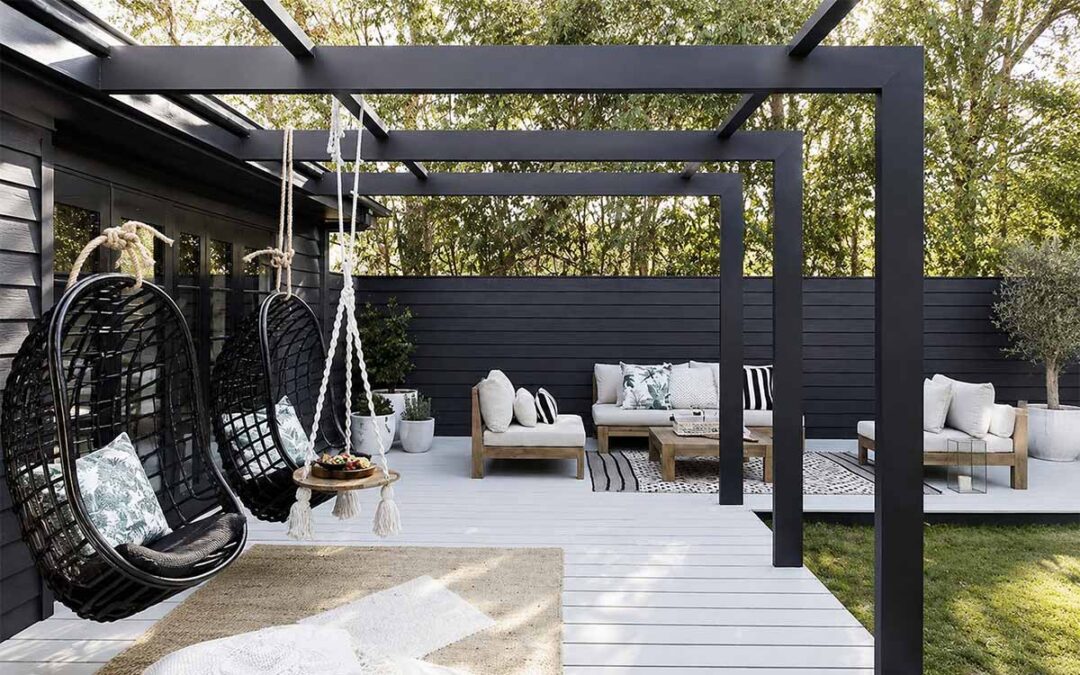
Summer is here, and we’ve got for you all the things you need to consider when buying garden furniture – if you want to get it right.
You may not realise it, but it is essential to choose the right garden furniture for your outdoor space. Whilst you need to consider what looks best and the style that suits your taste, you should also consider what will work best for you.
To help you make sure that you have the right garden furniture, here are some of our top tips on making sure that you get it right.
As interior designers, we often find that homeowners put significant thought into their indoor spaces but treat the garden as an afterthought. In reality, your outdoor area should feel like a natural extension of your home. The furniture you choose can influence how often you use the space, how comfortable it feels, and how well it works for entertaining family and friends.
Just as with interior furnishings, garden furniture should balance aesthetics, practicality and longevity. Materials, scale, positioning and intended use all play an important role in creating an outdoor space that feels both inviting and functional.
Always measure your space
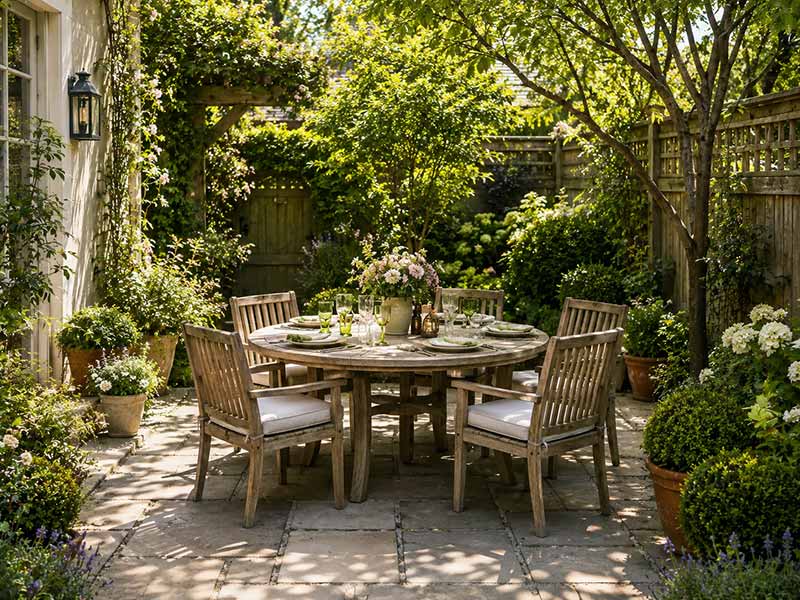
The first thing that you need to do before you buy garden furniture is to make sure that it will fit in the outdoor space that you have. You need to measure this, but you also need to think about what else you want to have out there.
The last thing you will want is to find your patio cluttered up and looking cramped. Not exactly a relaxing space for you to use.
When measuring your outdoor space, think beyond the footprint of the furniture itself. You will also need enough room to comfortably move around tables, chairs and loungers without feeling restricted. A dining set that looks perfectly proportioned in a showroom can quickly overwhelm a smaller terrace or courtyard garden.
It is also worth considering how the furniture relates to other features within the garden. Pathways, planting beds, outdoor kitchens, fire pits and children’s play areas all need sufficient clearance. Creating a simple scaled plan before purchasing can help you visualise how everything will work together.
From a design perspective, proportion is just as important outdoors as it is inside the home. Oversized furniture can dominate a garden, while pieces that are too small may feel disconnected from the space. Choosing furniture that complements the scale of your garden will create a more balanced and harmonious environment.
Consider the sun
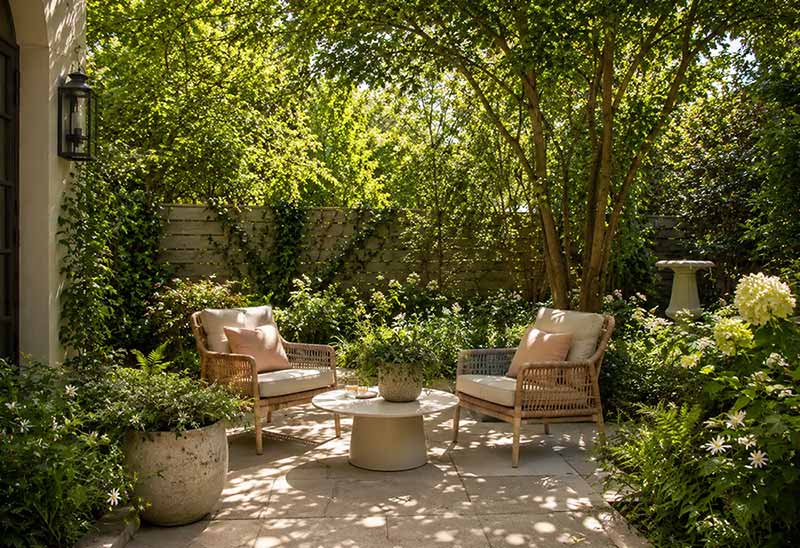
While we don’t always have lots of sunshine here in the UK, it is always worthwhile to think about how the sunlight we have will affect where you can sit in your garden. You want to make sure that you can enjoy the sunshine when you want to and have some shade when you need it.
This could either mean placing your furniture in the right place or making sure that it is moveable by either folding or lightweight.
Understanding how sunlight moves across your garden throughout the day can make a huge difference to how usable the space feels. A dining area positioned in direct afternoon sun may become uncomfortable during warmer months, while a seating area tucked into permanent shade may feel cooler than expected during spring and autumn.
Before investing in furniture, spend some time observing your garden at different times of day. Consider where the morning sun falls, where you receive the strongest afternoon light and which areas naturally offer shade.
You may also wish to incorporate additional shading solutions such as parasols, pergolas or retractable awnings. These features can significantly increase the amount of time you spend outdoors while helping to protect both your furniture and guests from excessive sun exposure.
Materials should also be considered. Certain finishes can become extremely hot in direct sunlight, while lighter-coloured fabrics and cushions tend to remain more comfortable during warmer weather.
Make the most of what you have
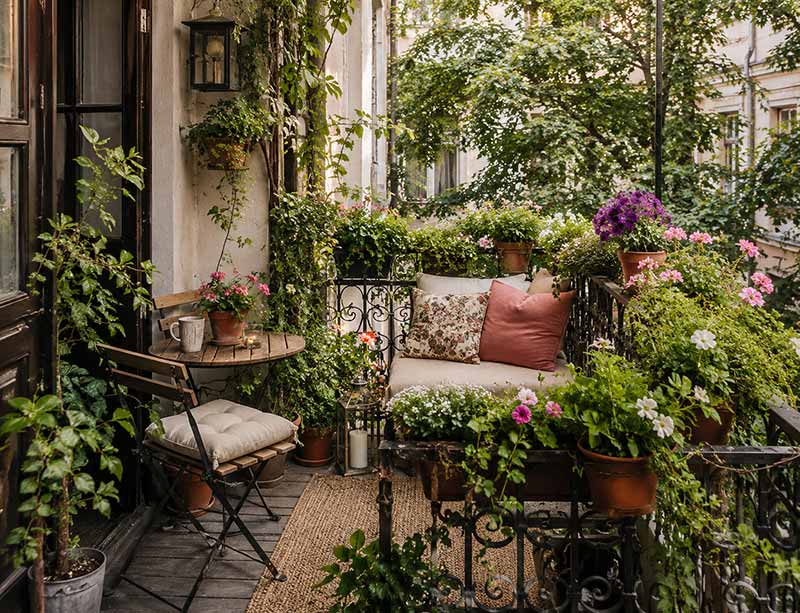
By their very nature, Gardens are not always the biggest spaces, but that doesn’t mean that you have to give up on the idea of using them at all. It means that you might need to think outside of the box and make the most of what you have.
Just like there is compact furniture inside your house, the same is true for garden furniture, which means that you can have all the different pieces you want but that you don’t have to worry that they will make the space feel even smaller than it is.
Even the smallest outdoor spaces can become highly functional with thoughtful planning. Compact bistro sets, built-in benches and stackable seating can provide comfortable seating without overwhelming the available area.
Multi-functional furniture is particularly useful in smaller gardens. Storage benches, nesting tables and modular seating can help maximise every square metre while keeping the space organised and clutter-free.
Creating distinct zones can also make a compact garden feel larger. A small dining area, a cosy reading corner or a dedicated entertaining space can help establish purpose and flow, making the garden feel more considered and enjoyable to use.
From a visual perspective, selecting furniture with slimmer frames, open bases and lighter finishes can help maintain a sense of openness. These design principles are often used in interior design and can be equally effective outdoors.
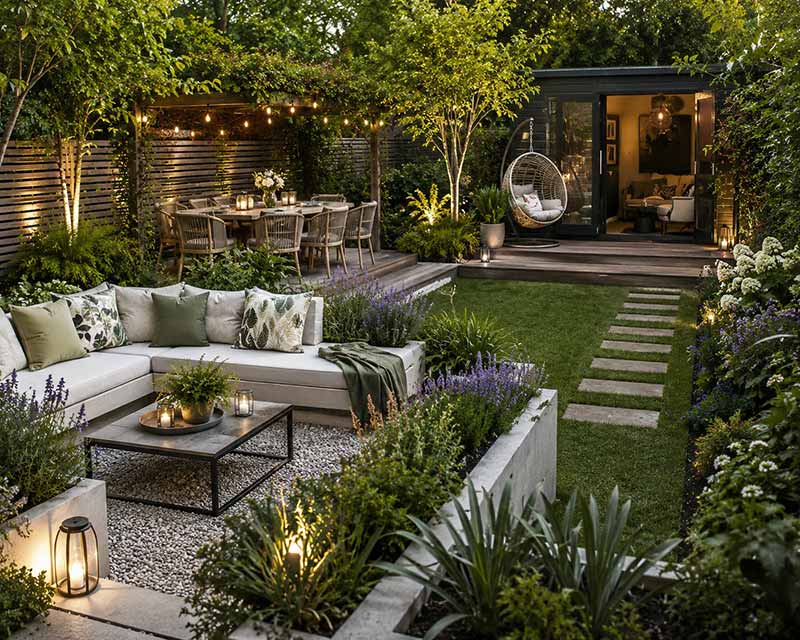
Decide on a function
Some people want their garden furniture to allow them to unwind and relax outside, so comfort is their primary consideration. For others, their outdoor space is a dining area, which means that the garden furniture they choose will be solely focused on providing a place to eat.
Sure, there can be some cross-over between the two functions, but for the most part, you will have one or the other in mind.
Before making a purchase, ask yourself how you realistically plan to use your garden. While it is tempting to buy furniture based purely on appearance, the most successful outdoor spaces are designed around lifestyle and functionality.
If entertaining is your priority, a generous dining table with comfortable seating may be the best investment. If relaxation is more important, consider deep-cushioned sofas, lounge chairs or even a daybed that encourages you to spend longer outdoors.
Families may benefit from flexible arrangements that can adapt to different activities, while homeowners who regularly host guests might prefer modular seating that can be rearranged depending on the occasion.
Thinking carefully about function from the outset helps prevent costly mistakes and ensures that your garden becomes a space you genuinely enjoy using throughout the year.
Creating a Garden That Works for You
These are just some things that you need to keep in mind when it comes to your garden furniture. It can be tricky to know what is right for you, but we can promise you that taking the time to think about what will work best and then investing In high-quality pieces means that they are going to be able to last you for some years to come.
Outdoor furniture should be viewed as an investment in your home and lifestyle. Choosing pieces that are durable, comfortable and suited to your space will help you create an outdoor environment that feels both practical and inviting.
Just as carefully planned interiors improve the way you live inside your home, thoughtful garden furniture choices can transform the way you use your outdoor space. By considering scale, sunlight, functionality and layout before you buy, you can create a garden that works beautifully for years to come.
If you’re looking to create a seamless connection between your indoor and outdoor living spaces, our Residential Interior Design Services can help you develop a cohesive design scheme that reflects your lifestyle and enhances every area of your home.
Need some extra help with your interiors? Contact us today for more!
Speaking of Interiors
Your London Interior Designer