
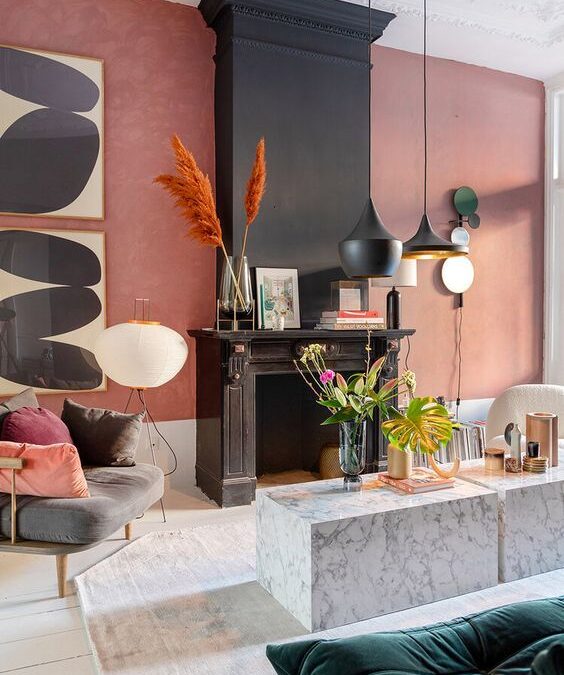
Accent walls are one of the most effective ways to introduce character into a space without committing to a full room redesign. When done well, they can add depth, highlight architectural features, and create a strong focal point. However, when approached without a clear plan, they can feel disconnected or overwhelming.
Understanding how to use colour, texture, and placement thoughtfully is key to ensuring an accent wall enhances your space rather than competing with it.
What Is an Accent Wall?
An accent wall is a single wall within a room that is intentionally designed to stand out from the others. This can be achieved through colour, pattern, material, or texture. The goal is to draw the eye and create a focal point that anchors the space.
In living rooms, accent walls are often positioned behind a sofa or fireplace, while in bedrooms they are commonly placed behind the headboard. In dining areas, they may be used to frame a table or highlight artwork.
When designed carefully, an accent wall can bring balance and visual interest to a room. It allows you to be more expressive without overwhelming the overall scheme, making it a versatile design tool across both modern and traditional interiors.
Do: Be Intentional with Placement
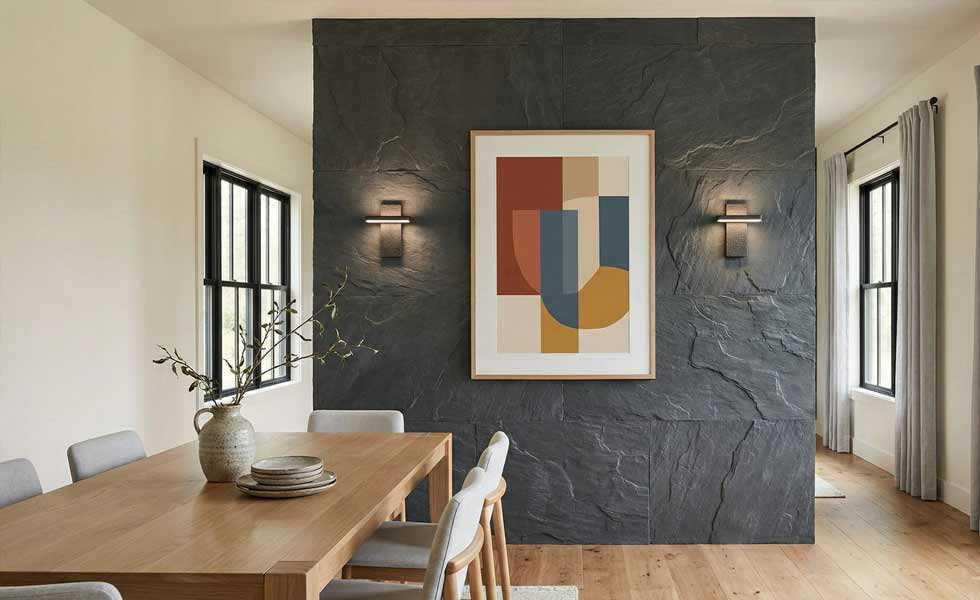
The success of an accent wall often comes down to choosing the right wall.
Rather than selecting a wall at random, consider the natural focal point of the room. This might be a fireplace, a bed, or the first wall you see when entering the space. Enhancing an existing focal point creates cohesion, whereas introducing a new one without purpose can feel disjointed.
It is also important to consider sightlines. Think about how the room is experienced from different angles and ensure the accent wall contributes positively to that overall view.
A well-placed accent wall should feel natural and integrated, not like an afterthought.
Don’t: Overwhelm the Space
While it can be tempting to make a bold statement, restraint is essential.
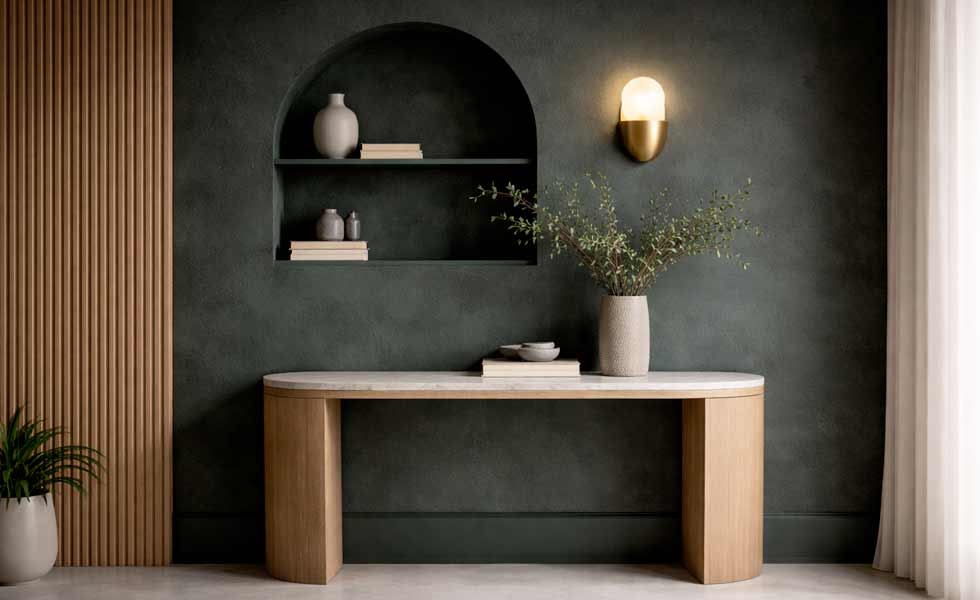
An accent wall should complement the rest of the room, not dominate it. If the colour, pattern, or material is too intense, it can disrupt the balance of the space and make it feel smaller or visually cluttered.
This is particularly important in smaller rooms, where strong contrasts can feel overwhelming. In these cases, softer tones, subtle textures, or tonal variations often work better than high-contrast designs.
The aim is to create interest without sacrificing harmony.
Do: Use Colour Confidently
Colour is one of the most powerful tools in interior design, and an accent wall offers the perfect opportunity to introduce it.
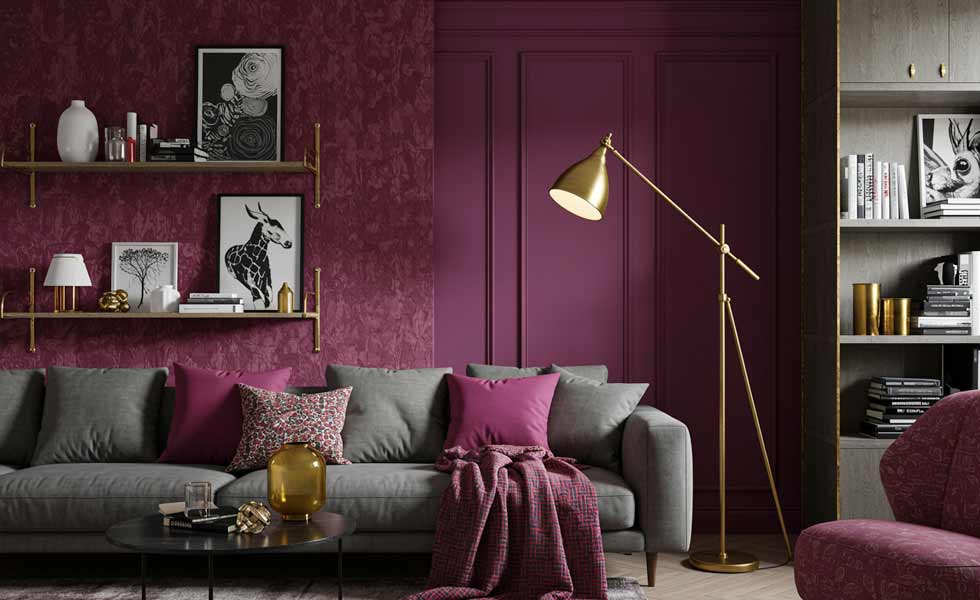
Deeper tones such as terracotta, olive green, navy, or charcoal can add warmth and sophistication, especially when paired with complementary furnishings and materials. These shades work particularly well in living rooms and bedrooms, where a more cocooning atmosphere is desired.
If you prefer a lighter look, muted pastels or warm neutrals can still create contrast while maintaining a calm and airy feel.
The key is to ensure the chosen colour connects with the rest of the palette in the room — whether through soft furnishings, artwork, or accessories — so that the space feels cohesive rather than fragmented.
Do: Experiment with Patterns and Texture
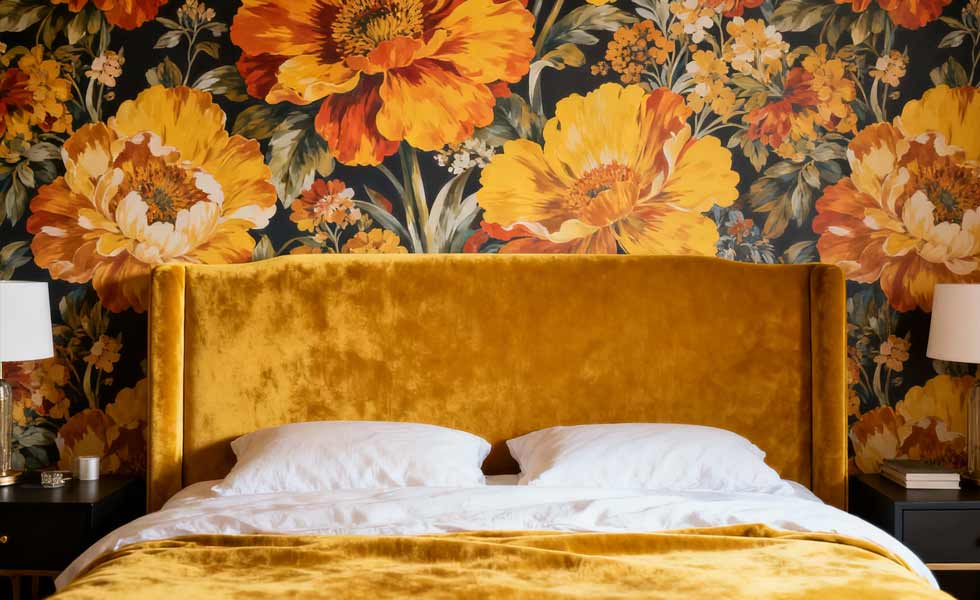
Accent walls are not limited to paint. Introducing pattern or texture can elevate the design and add depth in a more subtle, layered way.
Wallpaper is a popular choice, offering everything from soft, tonal patterns to bold, graphic designs. Wood panelling, fluted finishes, or limewash paint can introduce texture while maintaining a refined aesthetic. Even materials such as stone or microcement can be used to create a more architectural feature.
When working with patterns, scale is important. Larger patterns tend to work better on bigger walls, while smaller, more delicate designs suit compact spaces.
Texture, on the other hand, is a great way to add interest without relying on strong colour contrast, making it ideal for more understated interiors.
Don’t: Ignore Architectural Features
An accent wall should work with the architecture of the room, not against it.
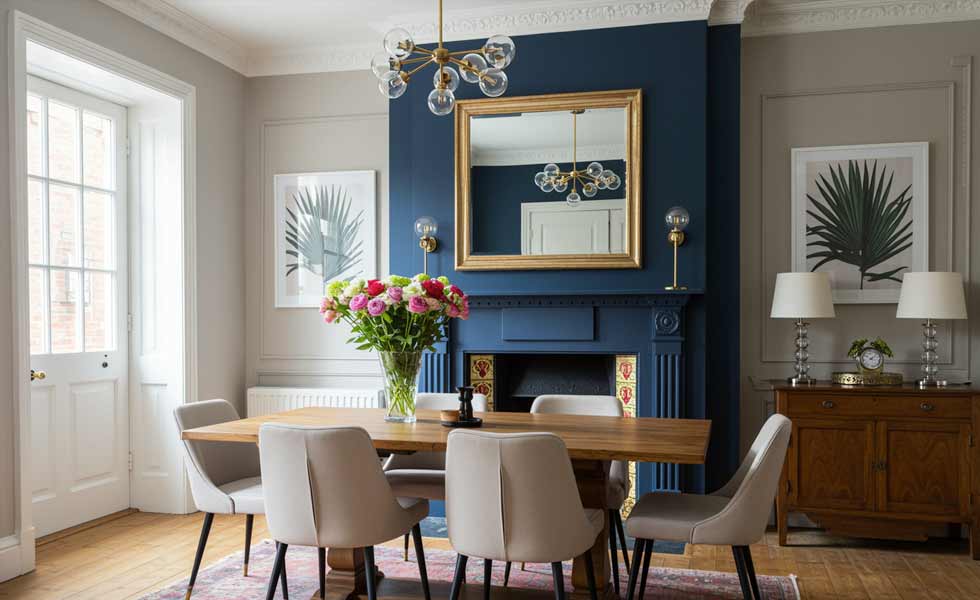
Features such as fireplaces, alcoves, mouldings, or built-in shelving should be considered as part of the design rather than obstacles to work around. In many cases, these elements can be enhanced by the accent wall, helping to frame and highlight them.
For example, painting a chimney breast in a contrasting colour can emphasise its presence and create a natural focal point. Similarly, applying wallpaper within alcoves can add depth and visual interest without overwhelming the entire room.
Ignoring these features can result in a design that feels flat or unresolved.
Designing an Accent Wall That Feels Balanced
A successful accent wall is always part of a wider scheme. It should feel connected to the room through colour, material, and styling choices.
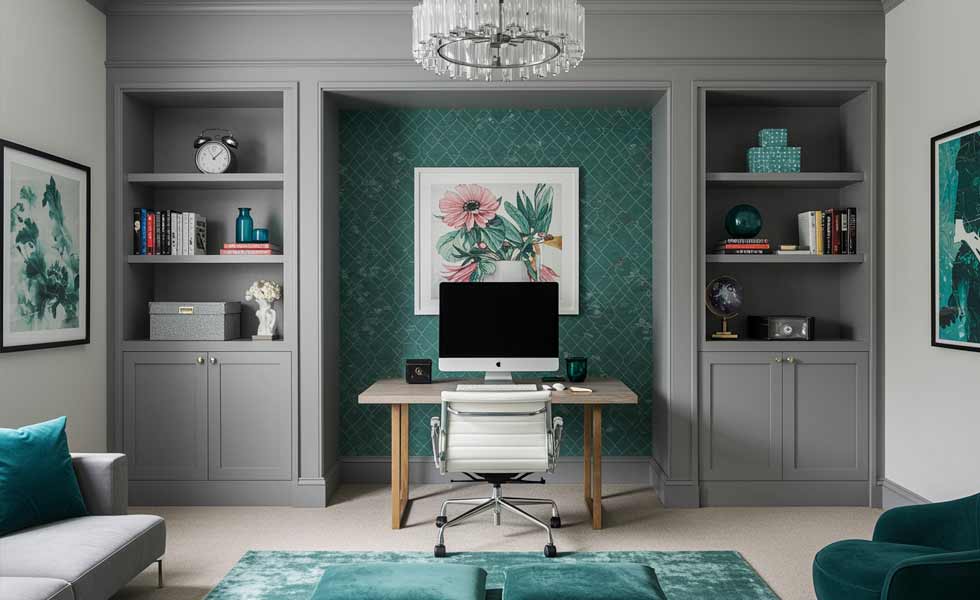
To achieve this, consider how the accent wall interacts with furniture, lighting, and accessories. Repeating tones or textures elsewhere in the space helps to create a sense of continuity. For example, a deep green wall might be complemented by cushions, artwork, or plants in similar hues.
Lighting also plays an important role. Wall lights, picture lights, or directional lighting can enhance the texture and colour of the wall, adding depth and atmosphere, particularly in the evening.
Ultimately, balance is key. The accent wall should draw attention, but it should also sit comfortably within the overall design.
How to Create an Accent Wall That Works
When approached thoughtfully, an accent wall can transform a room without requiring a full redesign. It offers an opportunity to introduce personality, experiment with colour or texture, and create a focal point that enhances the space.
The most successful designs are those that feel intentional and cohesive rather than trend-driven. By carefully considering placement, scale, and material, you can create an accent wall that adds depth and interest while maintaining a sense of balance.
If you are unsure how to incorporate an accent wall into your home, working with a professional can help ensure every element feels considered and connected. Explore our Residential Interior Design services to see how we create tailored, cohesive interiors that reflect each client’s lifestyle and vision.
Speaking of Interiors
Your London Interior Designer