
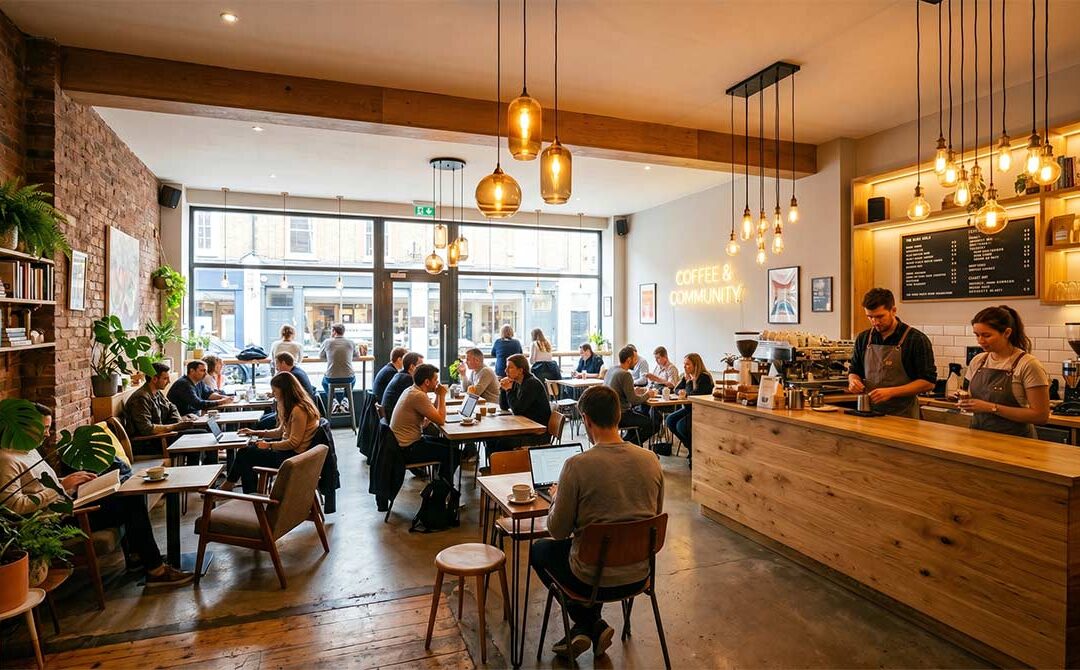
Designing a commercial space is about far more than aesthetics. It is a strategic process that brings together functionality, brand identity, and user experience to create an environment that not only looks considered but also performs effectively.
Whether you are planning a new restaurant, refurbishing a retail space, or redesigning an office, understanding the commercial interior design process helps set clear expectations and ensures a smoother, more successful project. While every scheme is tailored to the client, most commercial projects follow a structured sequence of stages, each building on the last.
What Is a Commercial Interior Design Process?
The commercial interior design process is a step-by-step approach used to plan, design, and deliver spaces that support business operations while reflecting a brand’s identity.
Unlike residential projects, commercial interiors must respond to a wider set of requirements. These often include:
- customer experience and flow
- staff efficiency and usability
- brand consistency
- durability of materials
- compliance with building regulations
A well-executed process ensures that these elements are considered from the outset, rather than being addressed later as problems to solve. Working with a professional commercial interior design ensures that both aesthetics and functionality are carefully integrated from the very beginning.
A Step-by-Step Commercial Interior Design Process
Although each project is unique, the overall structure tends to remain consistent. A well-defined process allows for creativity to develop within a clear and organised framework, ensuring that both design intent and practical requirements are carefully balanced. Each stage follows a clear interior design process that guides the project from concept through to completion.
Rather than approaching a project in isolation, every phase is interconnected — from initial ideas and spatial planning through to detailed design and final delivery. This structured progression helps minimise uncertainty, keeps decision-making focused, and ensures that every element of the space works cohesively.
For clients, understanding these stages also provides clarity and confidence throughout the journey. It becomes easier to visualise how early concepts evolve into a fully realised interior, and how each decision contributes to the overall outcome.
1. Initial Consultation and Brief Development
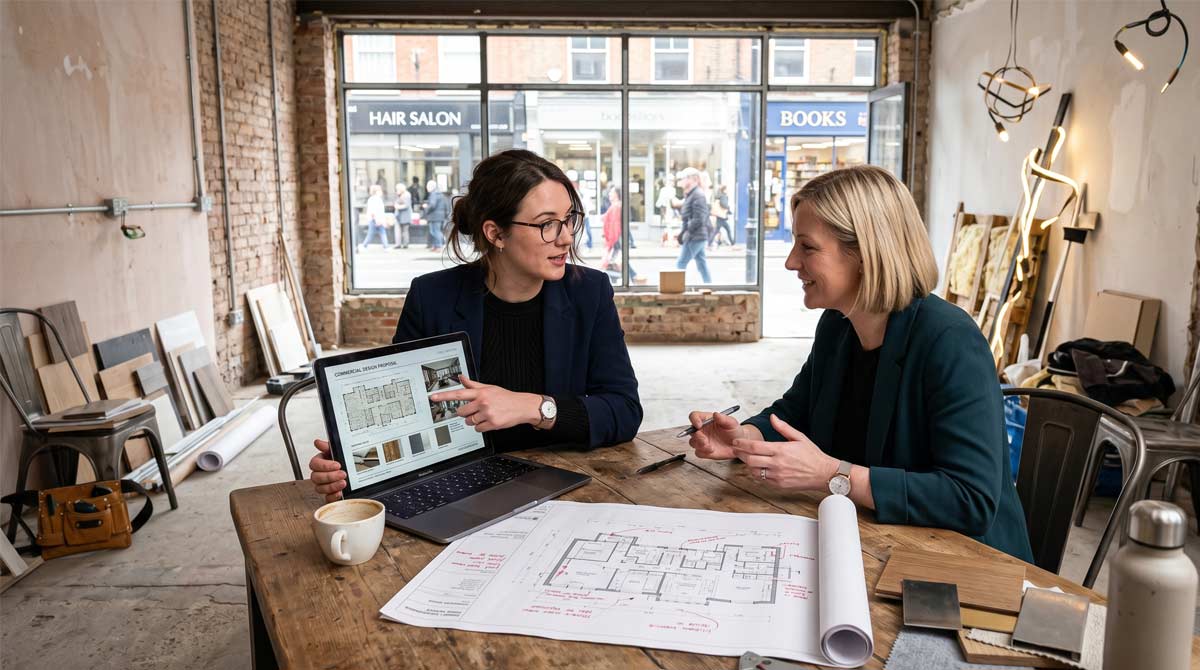
Every project begins with a detailed consultation. This stage is about gaining a deep understanding of the business, not just the space.
Key considerations typically include:
- the purpose of the space and how it will be used
- the target audience and customer profile
- the brand identity and positioning
- practical requirements such as capacity, storage, or workflow
- budget parameters and timeline expectations
Site visits are often carried out at this stage to assess the existing conditions, identify constraints, and uncover opportunities that may not be immediately obvious.
A well-defined brief forms the foundation of the entire project. Without it, even the most visually appealing design can fall short in practice.
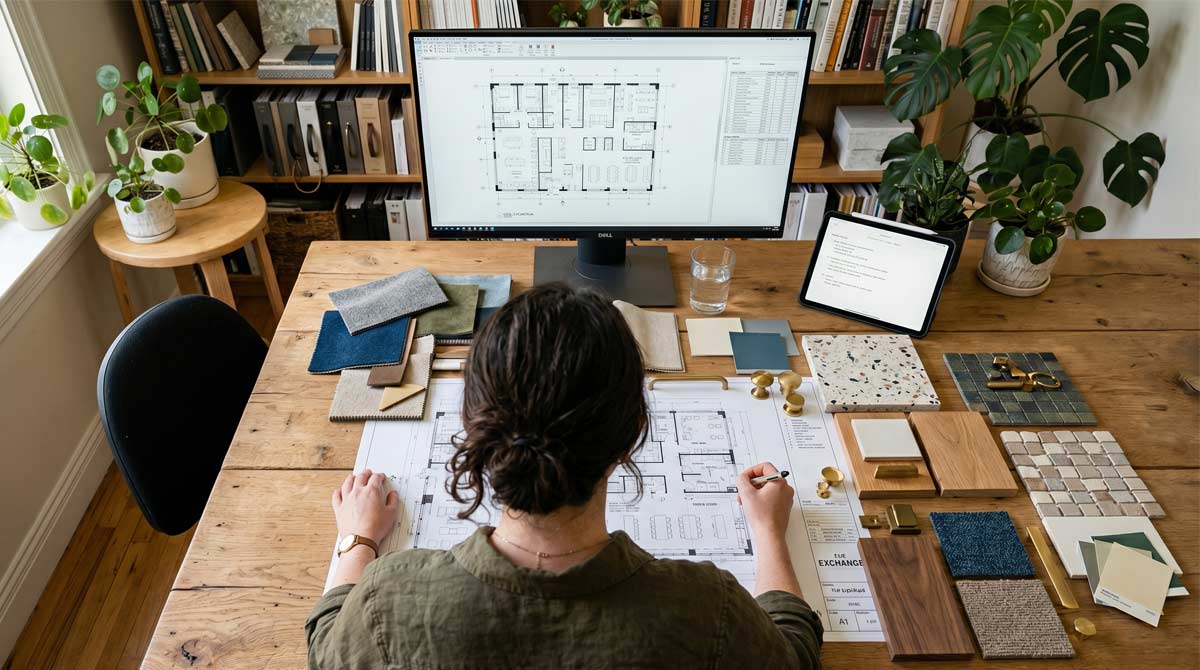
2. Space Planning and Layout Optimisation
Once the brief is established, the focus shifts to how the space will function.
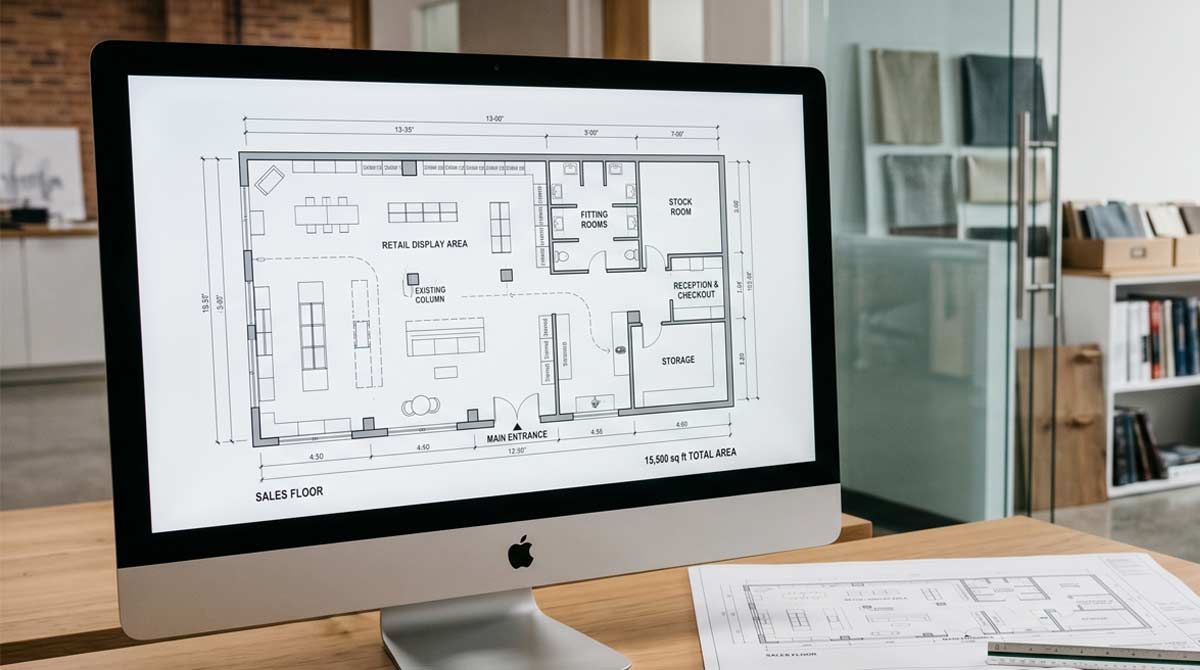
Space planning is one of the most critical aspects of commercial interior design. It determines how people move through the space and how effectively it supports both customers and staff.
This stage may include:
- mapping out customer journeys and circulation routes
- defining zones (for example, seating areas, service points, private spaces)
- ensuring accessibility and compliance with regulations
- optimising layouts for efficiency and comfort
For example, in a retail environment, clear sightlines and intuitive navigation can significantly influence how customers interact with products. In an office, thoughtful layouts can improve productivity and collaboration.
A strong layout creates the backbone of the design, allowing everything else to fall into place more naturally.
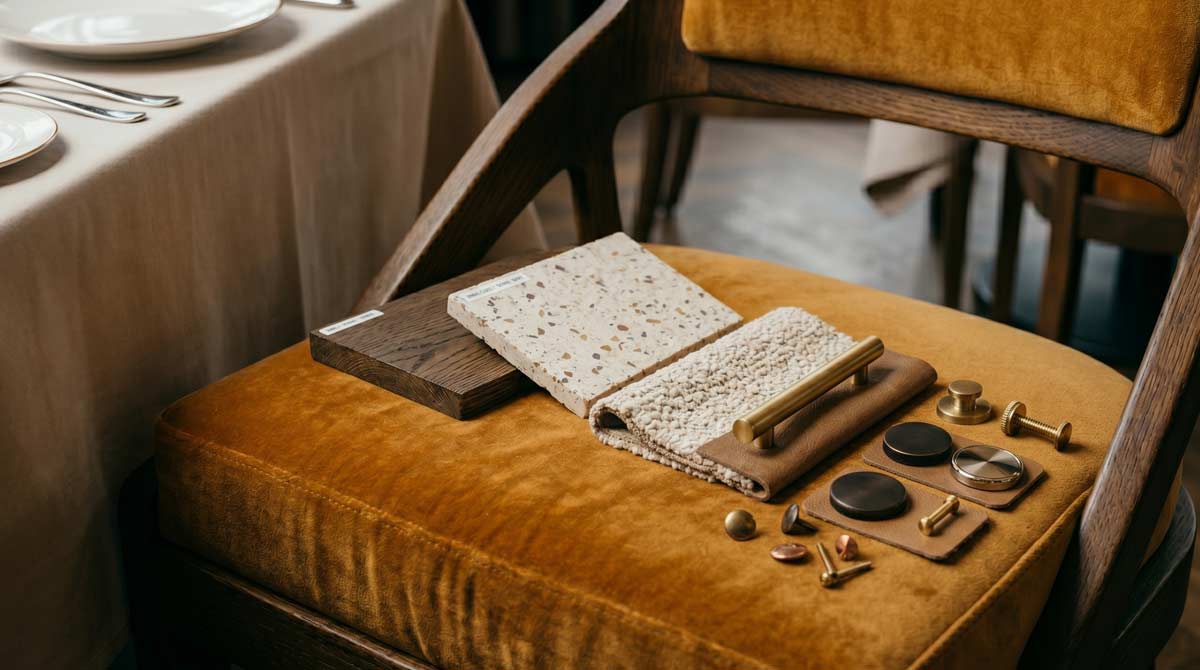
3. Concept Design: Colours, Materials and Visual Direction
With the layout defined, the design begins to take shape visually.
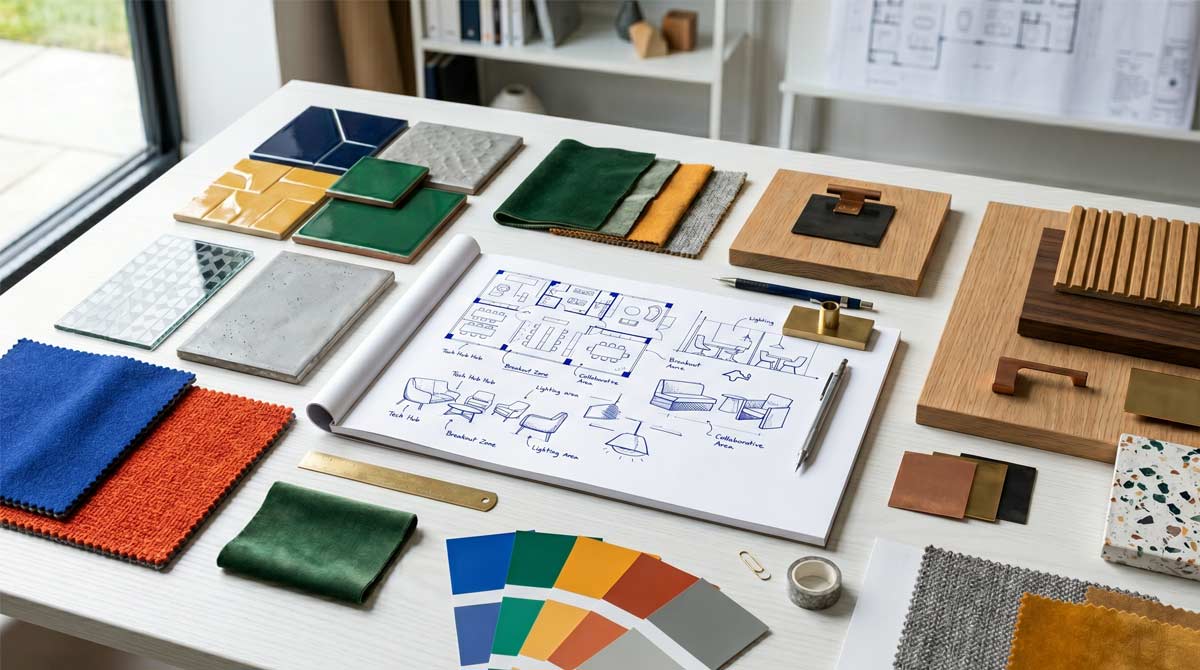
At this stage, designers develop a concept that reflects the brand while enhancing the overall experience of the space. This often includes:
- mood boards and visual references
- colour palettes aligned with brand identity
- initial material selections
- lighting concepts and atmosphere
In commercial projects, material choices are particularly important. Surfaces must not only look considered but also withstand daily use. Durability, maintenance, and longevity all play a role in the decision-making process.
Lighting is also a key component. It can influence mood, highlight focal points, and guide movement within the space.
The goal of the concept stage is to create a clear and cohesive design direction before moving into more detailed development.
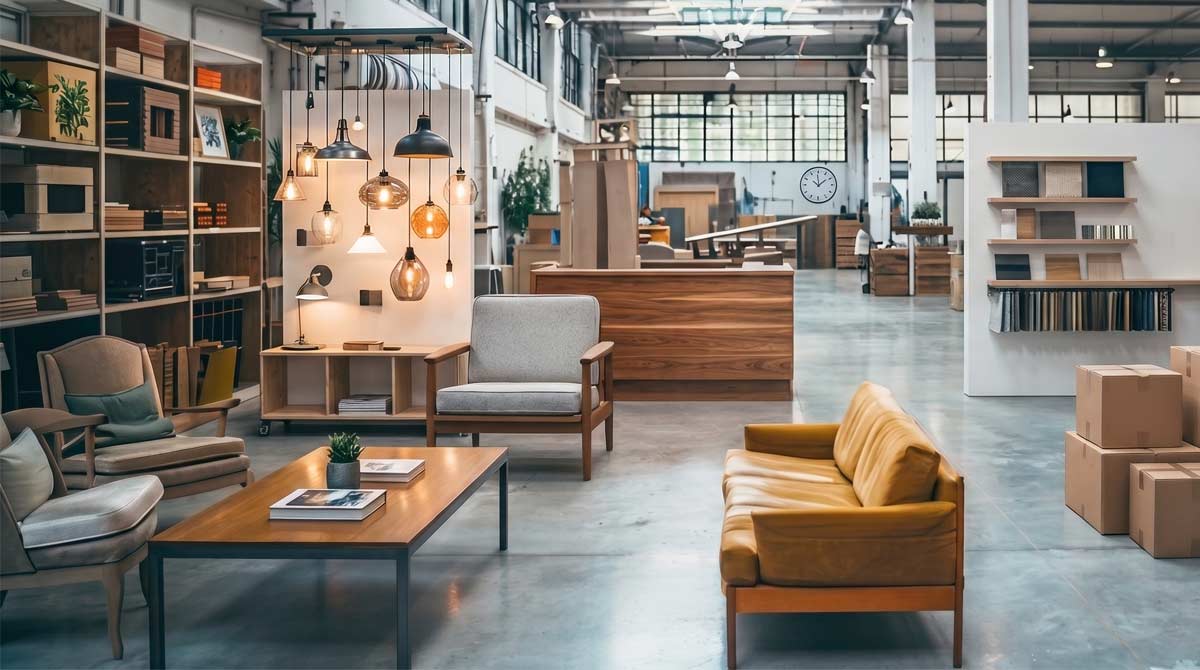
4. Furniture, Fixtures and Equipment (FF&E) Sourcing
Once the concept is approved, attention turns to selecting and sourcing the elements that will bring the design to life.
This includes:
- furniture suited to commercial use
- lighting fixtures
- bespoke joinery where required
- accessories and finishing elements
In commercial interiors, sourcing goes beyond aesthetics. Considerations such as lead times, supplier reliability, and cost control are essential to keeping the project on track.
Designers often work with a network of trusted suppliers to ensure quality and consistency. They also coordinate orders and deliveries, aligning them with the overall project timeline.
This stage requires careful organisation, as delays in procurement can have a direct impact on installation and completion.
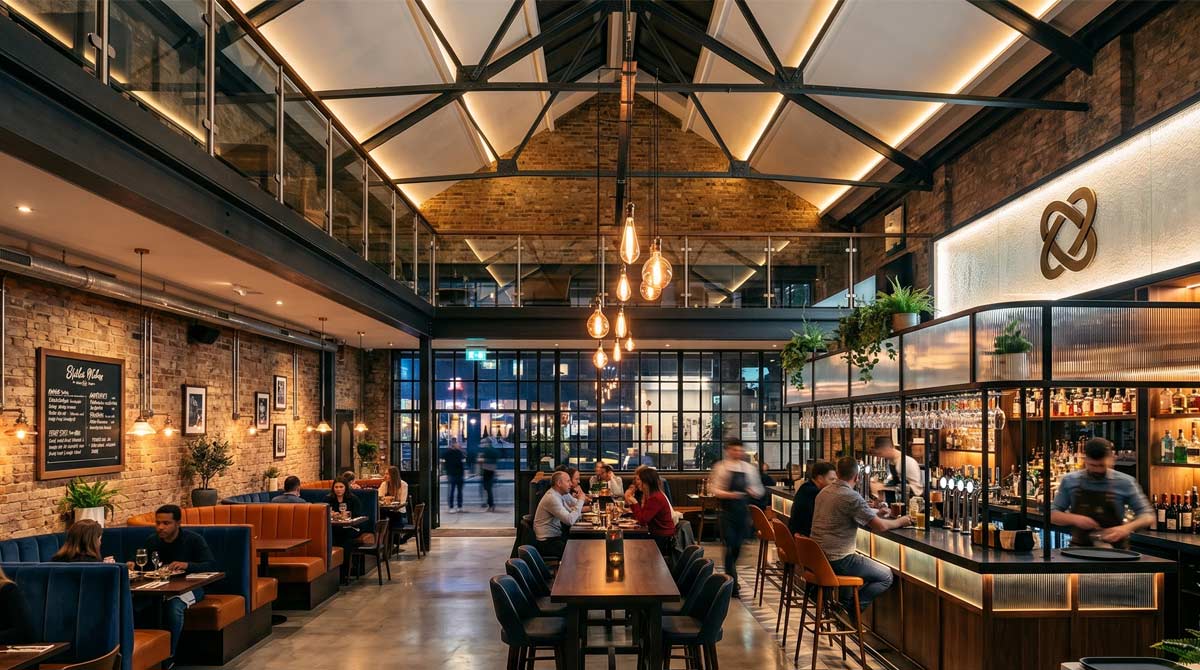
5. Planning, Coordination and Project Management
As the design moves into implementation, project management becomes central to the process.
This stage involves:
- coordinating with contractors, builders, and specialists
- overseeing installation and construction work
- managing timelines and schedules
- resolving on-site challenges as they arise
Even with detailed planning, unexpected issues can occur once work begins. A structured approach ensures that these challenges are addressed efficiently, without compromising the overall design.
Maintaining the original design intent is particularly important during this phase. Without close oversight, small changes can accumulate and alter the final result.
Effective coordination keeps the project moving forward while ensuring that quality and detail are not lost along the way.
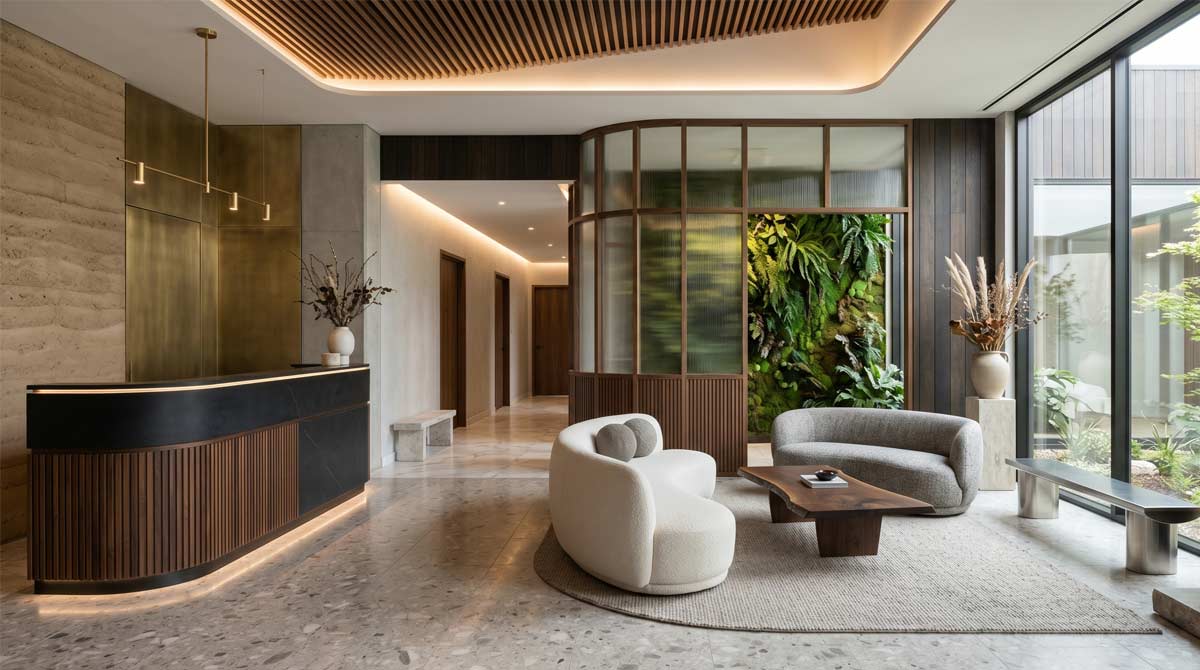
6. Installation, Styling and Final Handover
The final stage brings all elements together.
Furniture is installed, finishes are completed, and the space begins to reflect the original vision. Styling plays a role here, but in commercial projects, it is often more refined and purposeful than in residential interiors.
This stage typically includes:
- final installation of furniture and fixtures
- styling and arrangement of key elements
- snagging and quality checks
- addressing any final adjustments
A walkthrough with the client allows for a final review of the space, ensuring everything has been delivered as expected.
The result is a cohesive, functional environment that is ready to be used and experienced.
What Makes Commercial Projects More Complex?
Commercial interior design often involves a higher level of complexity compared to residential work.
Several factors contribute to this, including:
- multiple stakeholders and decision-makers
- stricter regulations and compliance requirements
- the need to balance aesthetics with operational efficiency
- larger budgets and greater accountability
- tighter timelines, particularly for businesses preparing to open
These considerations require a more structured and strategic approach, making the design process even more important.
Common Mistakes to Avoid in Commercial Interior Design
Even well-intentioned projects can face challenges if certain aspects are overlooked.
Some of the most common mistakes include:
- prioritising aesthetics over functionality
- underestimating the importance of space planning
- ignoring customer flow and user experience
- choosing materials that are not suitable for heavy use
- failing to account for realistic timelines and lead times
Avoiding these pitfalls often comes down to careful planning and working with experienced professionals who understand the demands of commercial spaces.
Why a Structured Design Process Matters
A clear and well-managed design process does more than organise a project. It helps ensure that every decision contributes to a cohesive and successful outcome.
By following a structured approach, you can:
- reduce the risk of costly mistakes
- improve efficiency and functionality
- create a stronger connection between brand and space
- achieve a smoother, more predictable project timeline
Ultimately, the process is what allows a design to move from concept to reality in a way that feels considered, balanced, and aligned with the needs of the business.
Working with an experienced interior designer London can make a significant difference to how smoothly a project progresses and the quality of the final result.
Why the Commercial Interior Design Process Matters
Commercial interior design is a layered and thoughtful process that goes well beyond surface-level decisions. Each stage plays a role in shaping a space that not only looks refined but also supports the way a business operates.
With the right approach, the result is more than just a well-designed interior. It is a space that enhances experience, improves functionality, and reflects the identity of the brand with clarity and confidence.
Understanding the process is the first step towards achieving that outcome.
Speaking of Interiors
Your London Interior Designer