
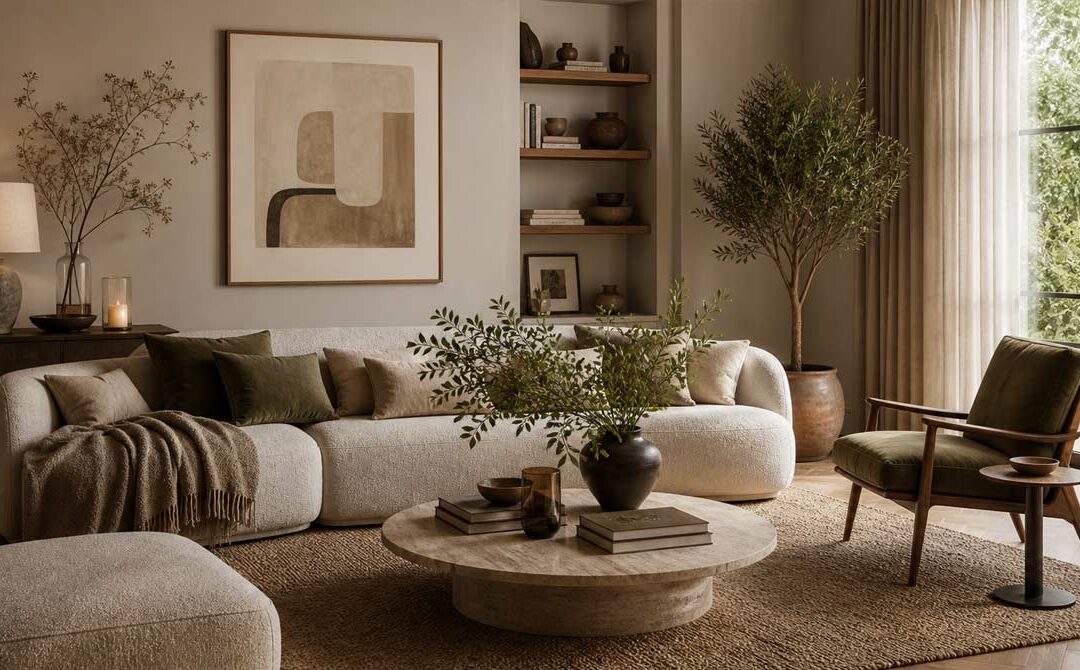
The Covid-19 pandemic marked a clear shift in how we live and interact with our homes. Spaces that were once used primarily for rest suddenly needed to function as offices, gyms, and places to socialise.
With more time spent at home, many people began to re-evaluate their interiors, investing in comfort, functionality, and personalisation in a way that hadn’t been prioritised before.
Over the course of the year, it became increasingly clear that the role of the home had fundamentally changed. As a result, interior design trends in 2021 were shaped less by aesthetics alone and more by how spaces needed to feel and function on a daily basis.
While these trends emerged during a very specific moment in time, many of them continue to influence how we design our homes today.
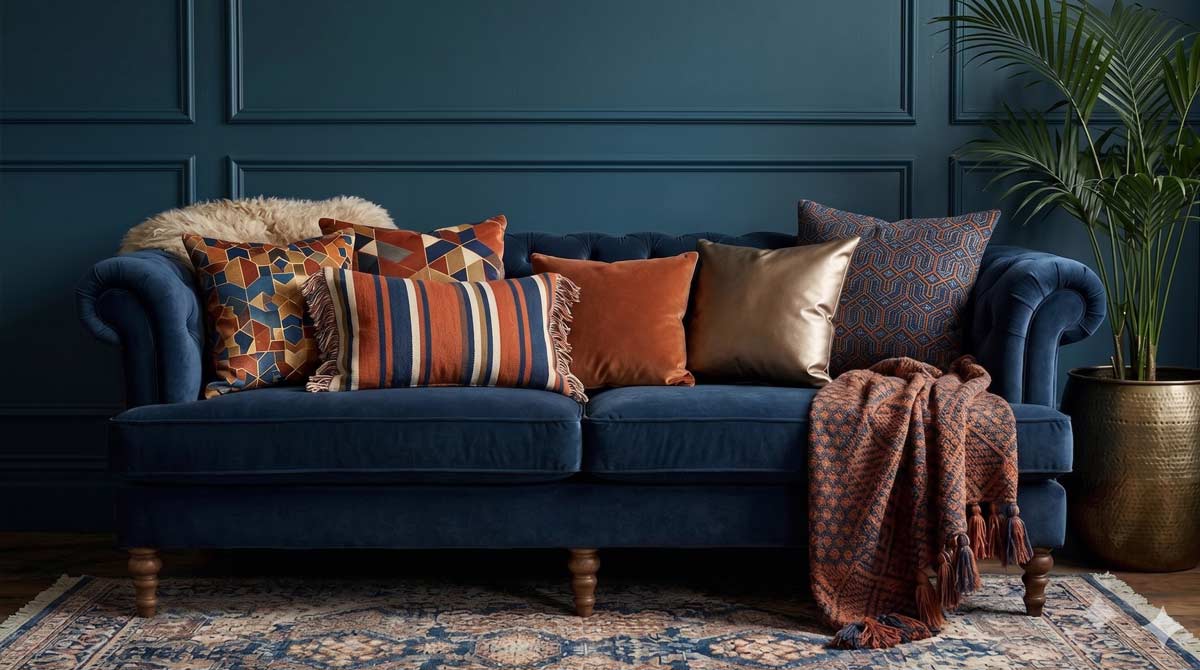
The Shift Towards Comfort and Practical Living
One word dominated the interior design world in 2021: comfort. Designers across the industry emphasised the importance of creating spaces that feel supportive, calming, and easy to live in.
“Comfort, practicality, and making your home your sanctuary on every level.” says Martyn Lawrence Bullard.
“Comfort in all forms is becoming more paramount,” adds Timothy Corrigan, while Roman and Williams co-founder Robin Standefer describes a clear move towards “comfort over concept.”
Sheila Bridges reinforces this direction, noting that “the importance of comfort, wellness, and sustainability will continue to be a priority.”
This collective perspective reflects a broader shift towards interiors that prioritise wellbeing, usability, and longevity.
Warm Colours, Texture and Personalisation
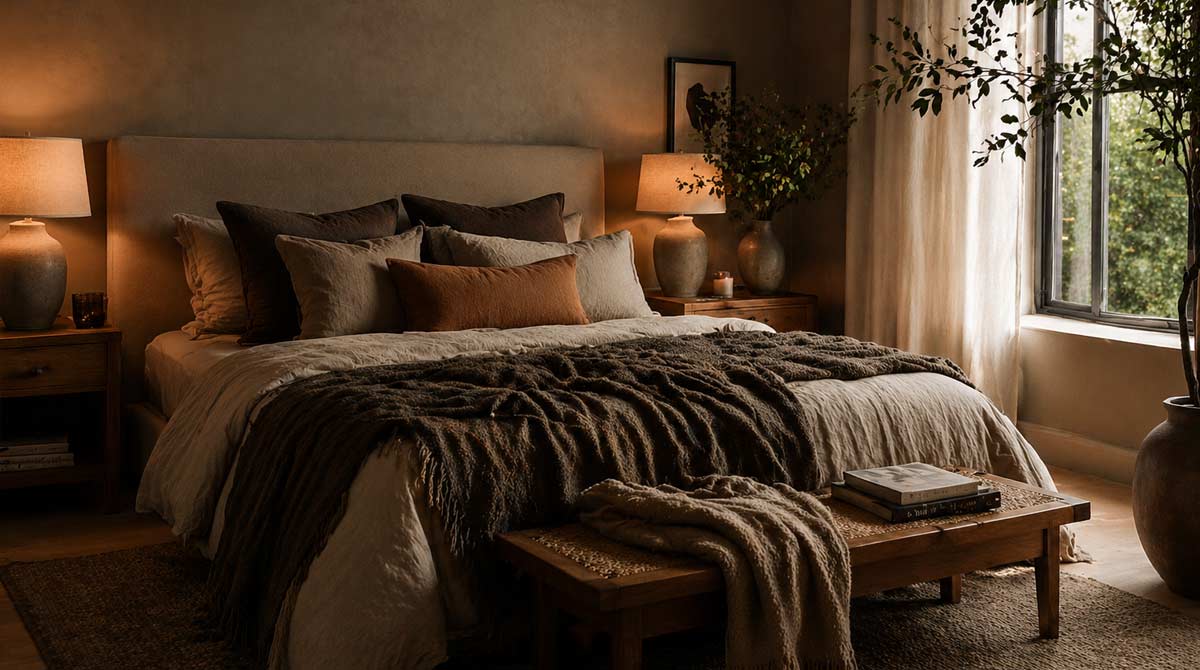
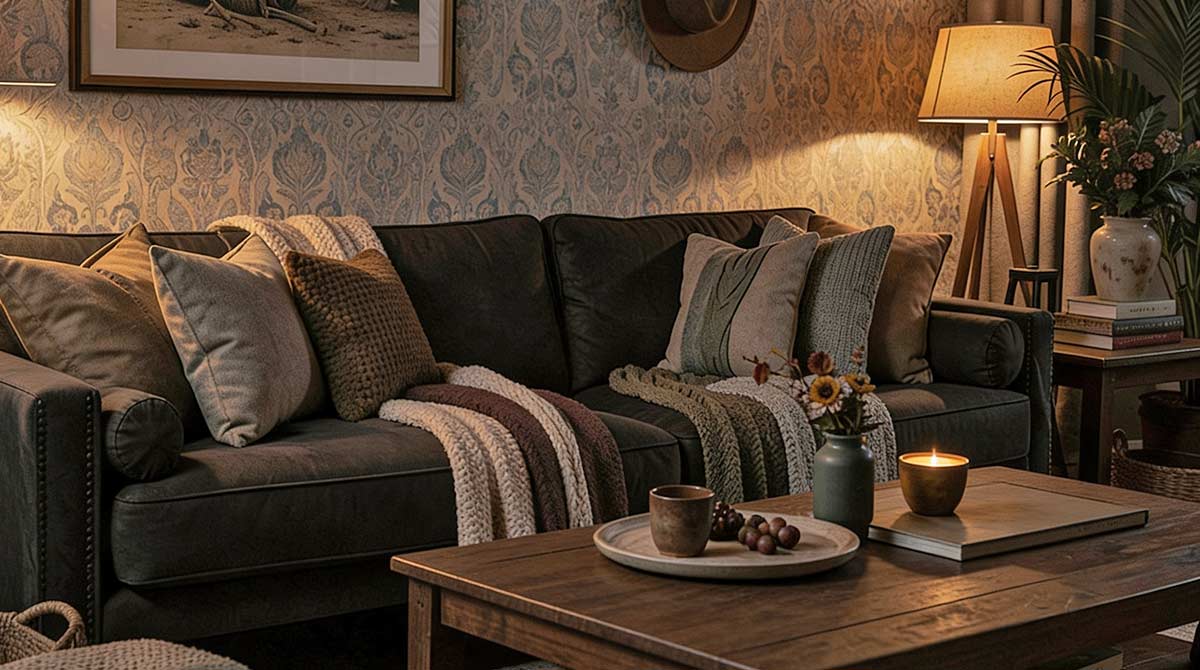
With comfort at the forefront, interior palettes naturally shifted towards warmer, richer tones. Think chestnut woods, soft neutrals, and earthy colours that create a sense of calm and grounding.
Texture became equally important, with layered materials such as soft upholstery, woven textiles, and natural finishes adding depth and warmth to interiors.
There was also a noticeable move away from mass-produced furniture. Instead, many people embraced second-hand pieces, restored furniture, and items with personal meaning.
Accessories such as fluffy towels, candles, books, and artisan pieces helped create spaces that felt more individual and lived-in — interiors designed not just to look good, but to feel genuinely comfortable.
The Rise of Home Offices
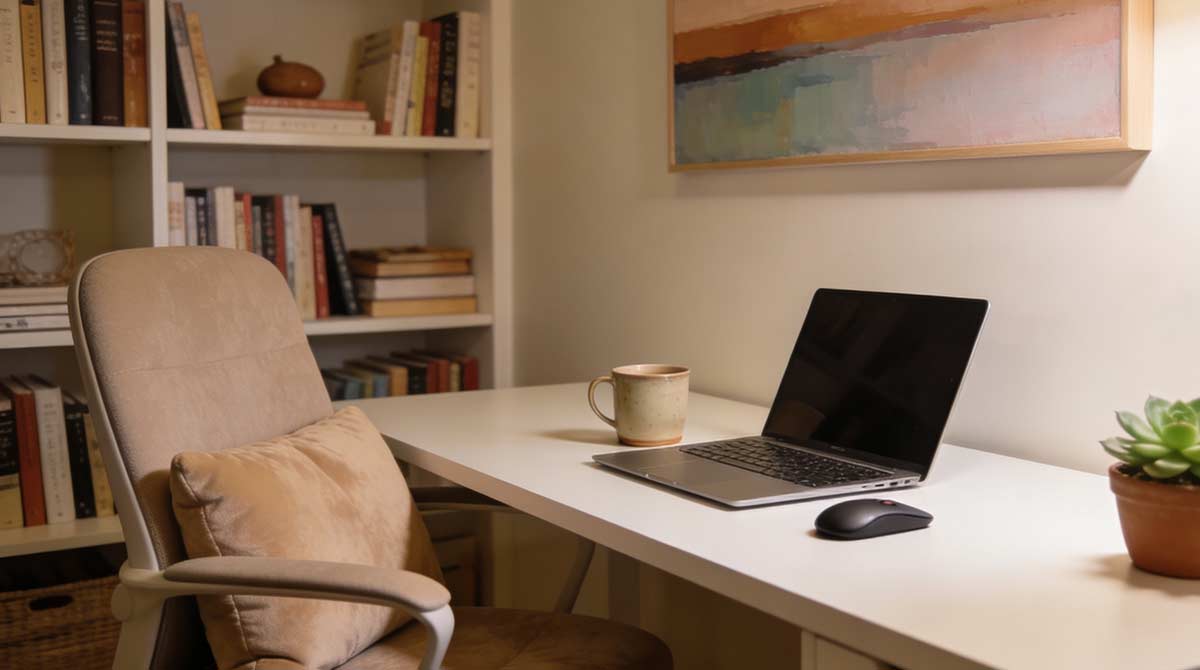
Home offices became one of the defining features of interior design in 2021. As working from home became the norm, people began investing in spaces that were both functional and visually considered.
These were no longer temporary setups but thoughtfully designed environments that needed to support daily productivity. Thoughtful layouts, ergonomic choices, and layered lighting became essential — particularly in smaller spaces, where smart design solutions can make a significant difference (see our guide to 7 Affordable and Stylish Home Office Ideas).
As Timothy Corrigan notes, “With people spending hours on Zoom calls, there has been an increase in popularity for table lamps that provide a soft glow on your face and counteracts the harshness of recessed overhead lighting.”
This shift brought a new focus to lighting, layout, and background styling — creating spaces that felt professional, comfortable, and cohesive within the home.
Moving Away from Minimalism
Some previously dominant trends began to fall out of favour. According to Vogue, the decline of mid-century modern became more noticeable as people spent extended periods at home.
“While the mid-century look was very popular, now that people are actually hanging out in their living spaces for hours at a time, there is a strong trend towards furniture that is big on soft, comfy sofas and chairs that allow you to lounge with ease.” says Timothy Corrigan.
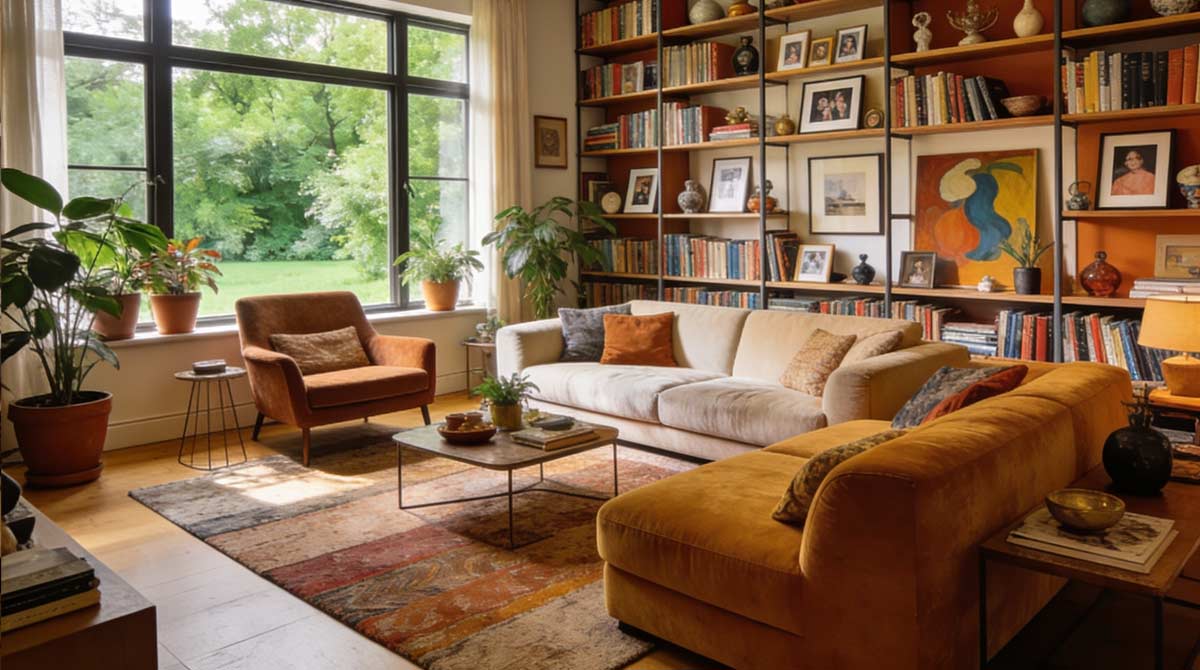
Minimalism also began to feel less practical for everyday living. Robert McKinley explains, “As we spend more time in our homes, we need more objects to hold our attention. All that empty space can be suffocating.”
Rather than stark simplicity, interiors became more layered and expressive. Bookshelves, decorative objects, and collected pieces added depth and personality.
There was also a move away from overly neutral schemes. As Ireland notes, “The all-beige catalogue look is out… be bold and decorate with conviction.”
2021 Trends According to Interior Designers
Practical living took centre stage, with durability becoming a key consideration in design decisions.
“There is a renewed emphasis on rooms that not only look good but can live up to increased use,” says Timothy Corrigan. “We will see a rise in using outdoor materials inside the home… allowing you to make a mess and not worry about the clean-up, without having to sacrifice beauty.”
Pattern and wallpaper also gained momentum. As Sheila Bridges highlights, “Wallpaper and pattern play will continue to dominate rather than subtle, more monochromatic schemes.”
There was also a growing appreciation for craftsmanship and meaning. Robert McKinley notes that 2021 would be “a year of attributing meaning to carefully selected pieces — the year of the craftsperson, the artist, the artisan.”
Harry Nuriev reinforces this shift, observing that people are “investing more time, money and energy into décor details… paying attention to everything from what we’re drinking water out of, to the kind of bath towels we use.”
Colour trends also leaned warmer. “We are loving warm cinnamon and marigolds… bringing some heat and spice to a room.” say Robin Standefer and Stephen Alesch.
Together, these insights highlight a move towards interiors that are thoughtful, expressive, and deeply personal.
Sustainability in Interior Design
Sustainability became an increasingly important consideration in 2021, as people reflected on their consumption habits and the longevity of their design choices.
As Robert McKinley explains, “2020 slowed us down and made us take stock of our consumption. Sustainable, durable brands will continue to grow in prominence.”
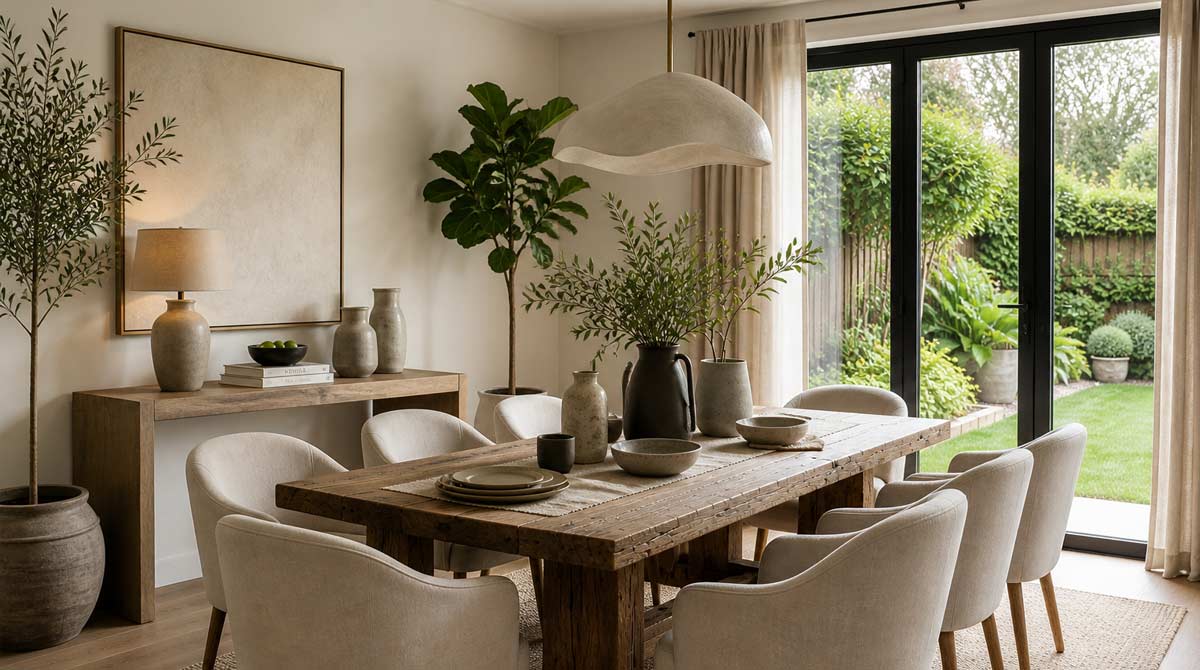
This shift encouraged a more considered approach to interiors — prioritising quality over quantity, investing in timeless pieces, and choosing materials that are both durable and responsibly sourced.
How 2021 Redefined Interior Design
While 2021 was shaped by unique circumstances, it redefined how we think about our homes. The emphasis on comfort, individuality, and sustainability continues to influence interior design today.
These trends reflect a broader shift towards creating spaces that are not only visually appealing, but genuinely supportive of everyday life.
Looking for interior design inspiration but not sure where to begin?
Explore our Residential Interior Design service or book a FREE consultation with one of our expert designers.
Speaking of Interiors
Your London Interior Designer