
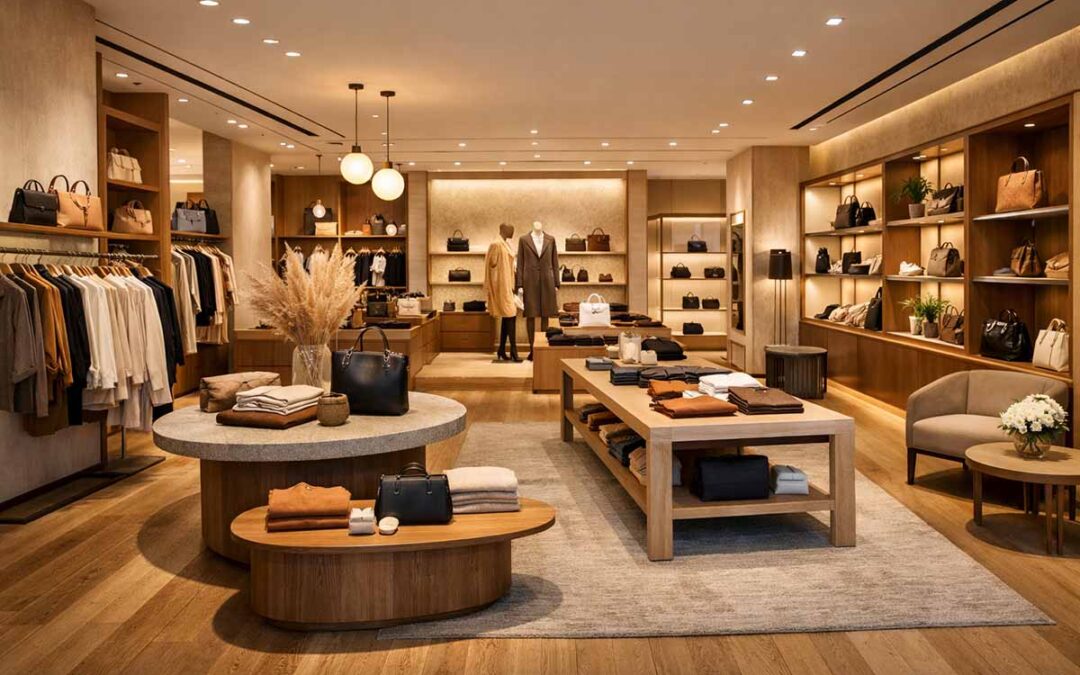
Retail design plays a powerful role in shaping how customers experience a store. From the moment a customer walks in, the layout, lighting, colours, and product displays influence how long they stay, what they notice, and ultimately what they decide to buy.
Successful retail spaces are not simply attractive; they are strategically designed to guide customer behaviour, highlight products, and create an environment that encourages purchases.
In this article, we explore practical retail interior design ideas that help businesses improve customer experience and increase sales.
Why Interior Design Matters in Retail Spaces
Retail environments are carefully curated to influence how customers move through a store and interact with products. Studies consistently show that shoppers spend more time and money in spaces that feel inviting, easy to navigate, and visually engaging.
Interior design contributes to:
- stronger first impressions
- better product visibility
- smoother customer flow through the store
- improved brand perception
- increased dwell time and purchase likelihood
A well-designed retail space can subtly guide customers toward products while reinforcing the brand’s identity.
Businesses looking to optimise their store environments often benefit from working with specialists in commercial interior design, who understand how layout, lighting, and visual merchandising influence customer behaviour.
Create a Clear and Intuitive Store Layout
One of the most important factors in retail design is layout. If customers feel confused or overwhelmed when entering a store, they are less likely to explore the space.
An effective layout should:
- guide customers naturally through the store
- highlight key products and collections
- create clear pathways between displays
- encourage exploration without feeling cluttered
Many successful retail stores use a combination of open sightlines and focal points to draw customers deeper into the space.
Thoughtful space planning ensures that customers encounter products in a natural sequence rather than feeling lost in the store.
Use Lighting to Highlight Products
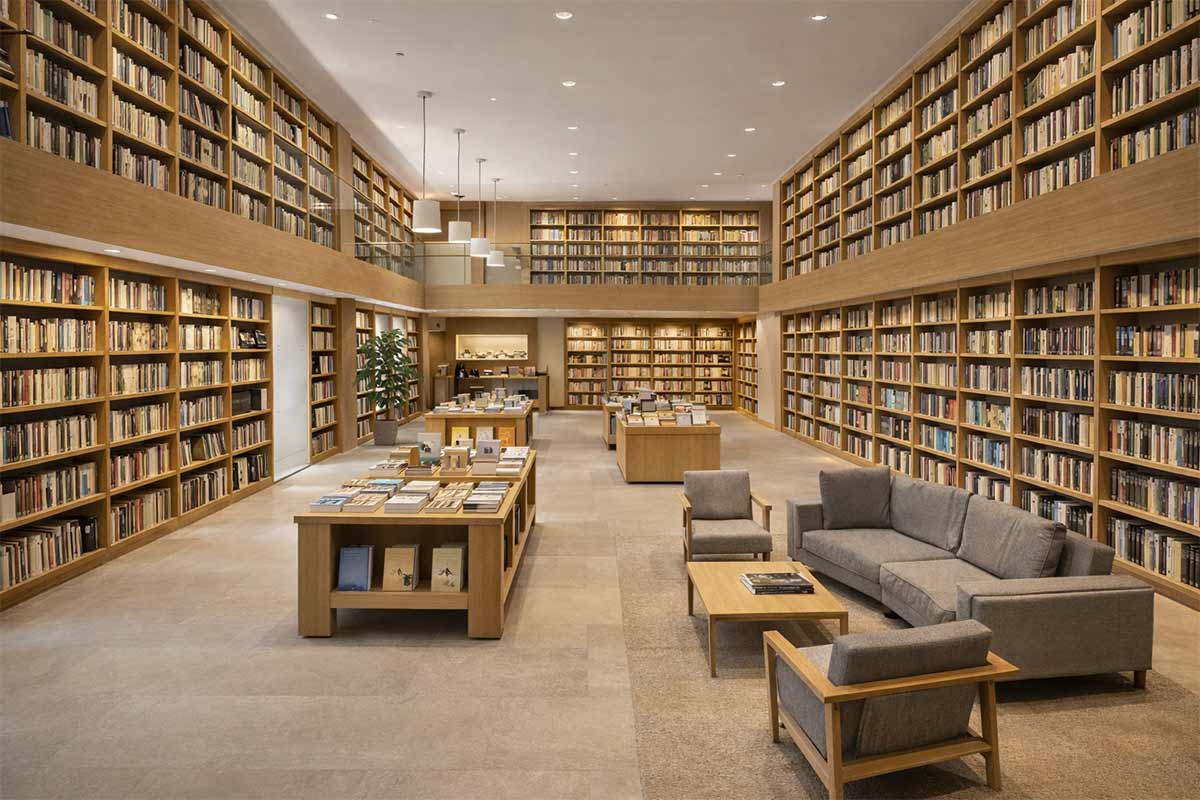
Lighting has a significant impact on how products are perceived. Poor lighting can make even high-quality items appear unappealing, while well-designed lighting enhances colour, texture, and visual interest.
Retail spaces typically benefit from layered lighting that combines:
- general ambient lighting
- accent lighting to highlight specific displays
- task lighting for counters or fitting areas
Accent lighting can be particularly effective when used to spotlight new arrivals or high-margin products.
Well-positioned lighting not only improves visibility but also adds atmosphere to the store.
Design Strong Visual Focal Points
Customers rarely notice every product in a store. Instead, their attention is drawn to focal points that stand out visually.
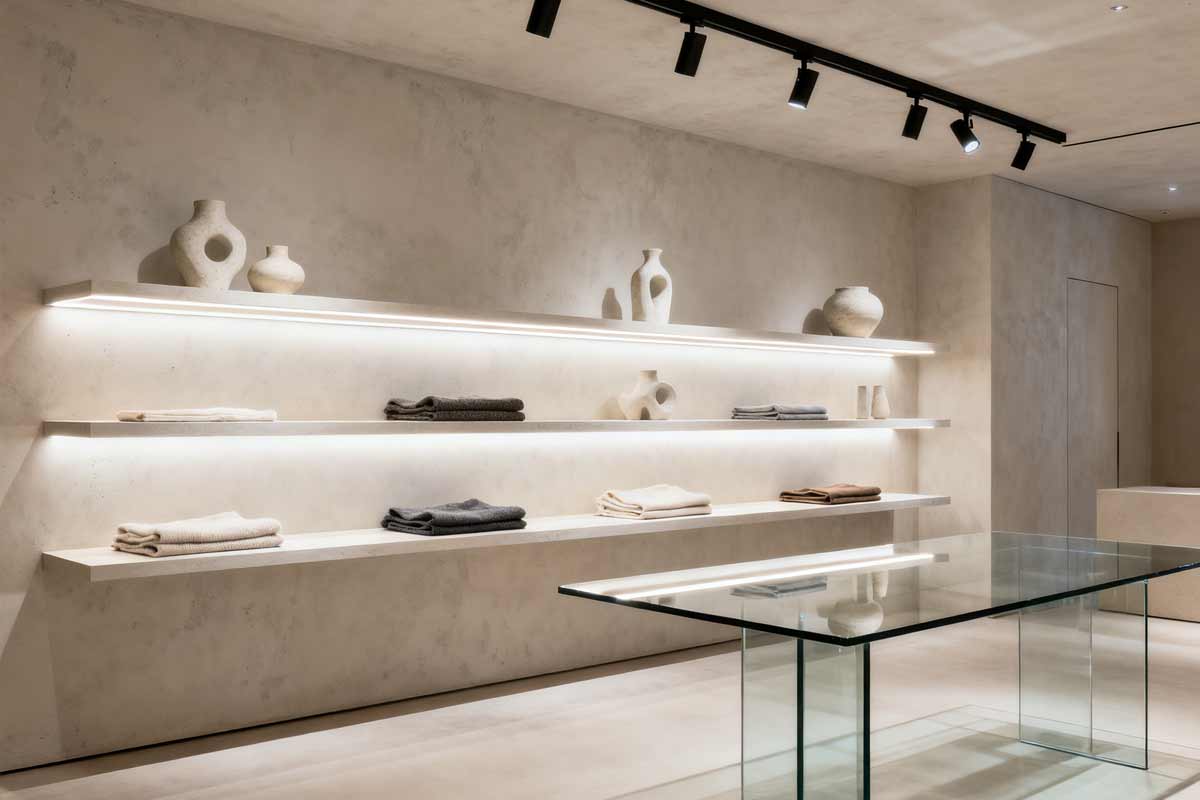
Creating intentional focal points helps guide attention to specific areas, such as featured collections or promotional displays.
Examples of effective focal points include:
- statement display tables
- feature walls
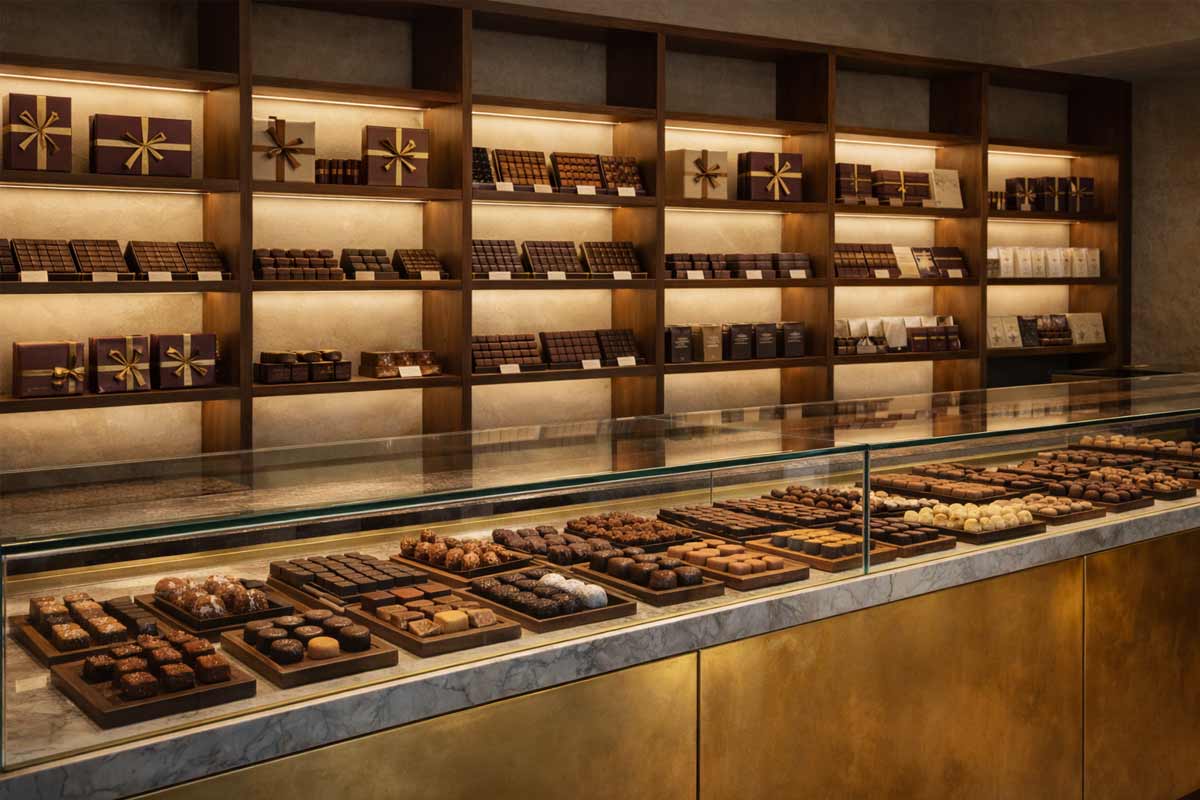
- illuminated shelving
- bold signage or artwork
These elements help organise the visual hierarchy of the store and encourage customers to explore further.
Use Materials and Textures to Reinforce Brand Identity
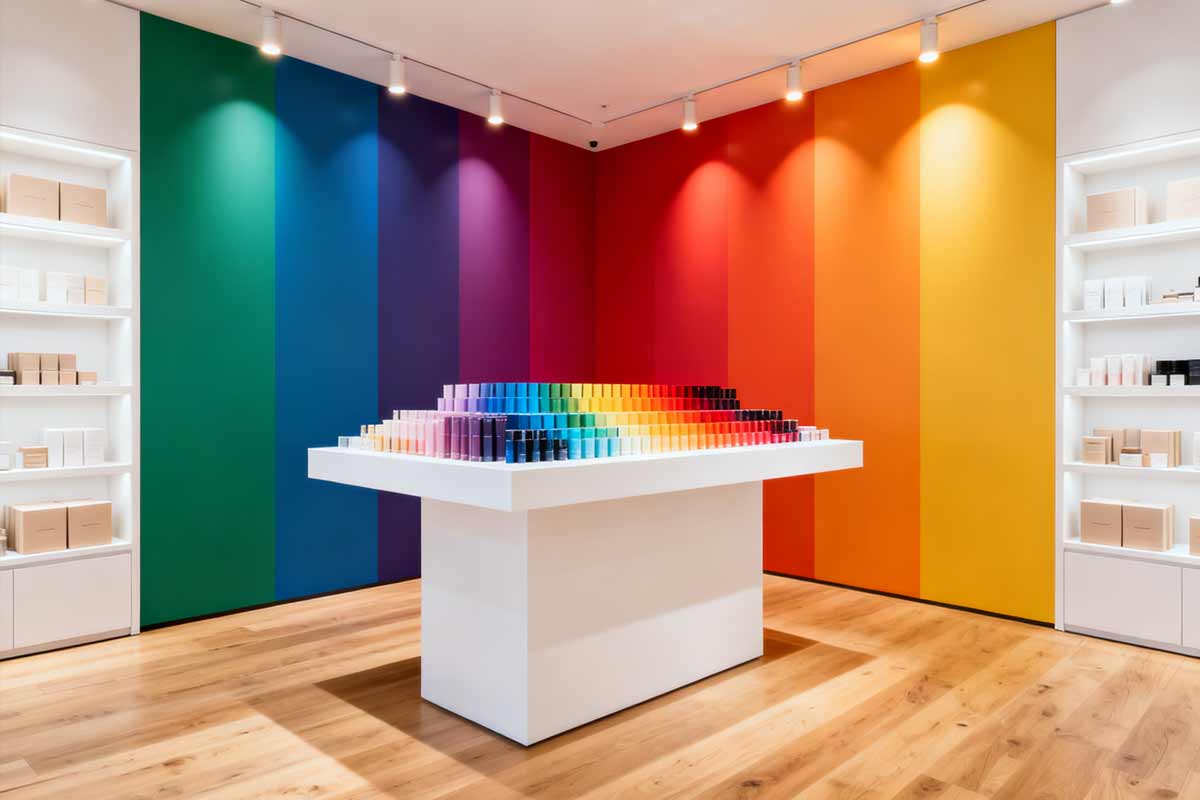
Retail interiors should reflect the brand’s personality. The materials, colours, and textures used throughout the store can reinforce what the brand stands for.
For example:
- natural wood and linen can create a relaxed, organic atmosphere
- polished metal and glass can communicate luxury or sophistication
- bold colours and graphics may suit contemporary or youth-focused brands
Consistency between interior design and brand identity helps create a memorable shopping experience.
Interior designers often collaborate closely with retailers to ensure that the physical space aligns with the brand story and customer expectations.
Encourage Product Interaction
Stores that allow customers to interact with products tend to create stronger engagement and higher sales.
Encouraging interaction can include:
- accessible display heights
- open shelving instead of closed cabinets
- demonstration areas for certain products
- comfortable seating or try-on spaces
When customers feel comfortable exploring and touching products, they are more likely to make purchasing decisions.
Designing displays with accessibility in mind is an important aspect of retail space planning.

Create Comfortable Customer Zones
Retail spaces that feel welcoming often encourage customers to spend more time browsing.
Comfortable design elements may include:
- seating areas
- fitting rooms with good lighting and mirrors
- relaxed lounge-style zones in larger stores
These areas allow customers to pause, reflect on purchases, and continue browsing.
Retailers who incorporate small comfort features often see improved customer satisfaction and longer store visits.
Design for Customer Flow
Understanding how customers move through a store is essential when planning retail interiors.
Strategic placement of displays can encourage shoppers to explore the entire store rather than focusing only on the entrance area.
Key techniques include:
- positioning popular products deeper inside the store
- using display tables to slow customer movement
- creating visual pathways that guide exploration
Retail layouts should support natural customer movement while ensuring that important products are visible along the journey.
Professional Retail Design for Commercial Spaces
For retailers planning new stores or redesigning existing spaces, professional design guidance can help ensure that the environment supports both customer experience and commercial performance.
Interior designers can assist with:
- store layout and space planning
- lighting strategies for retail environments
- visual merchandising concepts
- material and finish selection
- brand-aligned interior design
Businesses interested in improving their retail environments can explore commercial interior design services to understand how thoughtful design can transform commercial spaces.
If a retail space is part of a larger property project, it can also be helpful to understand the difference between design and architectural roles. You can learn more in our guide to interior designer vs architect.
Creating Retail Spaces That Encourage Customers to Buy
Retail interior design is not simply about aesthetics. The way a store is designed directly influences how customers experience the space, interact with products, and make purchasing decisions.
By focusing on layout, lighting, visual hierarchy, and brand identity, retailers can create environments that encourage exploration and highlight products effectively.
Businesses undertaking larger commercial projects may also benefit from turnkey interior design services, where the entire design and implementation process is managed from concept to completion.
Speaking of Interiors
Your London Interior Designer
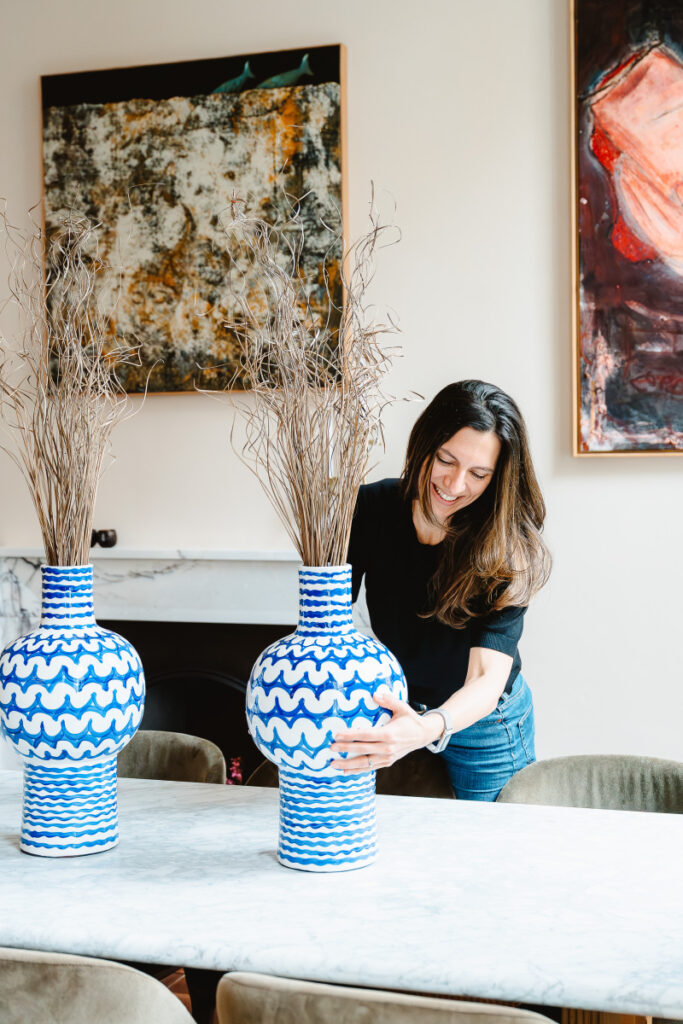
ABOUT THE FOUNDER
Interior Designer Johanna Endres-Castillo: Creating Bespoke Spaces
Johanna Endres-Castillo, the founder of Speaking of Interiors, brings a wealth of experience from some of London’s leading luxury design studios. Based in South West London, Johanna is passionate about designing unique interiors that are both accessible and deeply personal, creating spaces that truly reflect each client’s individual style. More about us...
Bring Your Vision to Life
Ready to transform your space into something extraordinary? Book your FREE consultation today, and let’s discuss how we can create a home that’s uniquely yours—beautiful, functional, and designed to inspire.

Speaking of Interiors Ltd © 2022. Registered address: 22 Bourke Close, London, SW4 8ER, UK. CRN 12673239 VAT GB352816985 │ Privacy & Cookie Policy │ Terms of Use
Areas We Cover: Interior design services in Balham, Battersea, Belgravia, Chelsea, Clapham, Fulham, Kensington, Marylebone, Mayfair, Paddington, Pimlico, Putney, Soho, South West London, Streatham, Victoria, Wandsworth, Westminster, Wimbledon, Richmond, Dulwich, West London & Surrey